Backdrop of unrest and violence
The dialogue resumes against the backdrop of nationwide protests inside Iran that began in late December following a steep collapse in the national currency and deepening economic hardship. Demonstrations quickly evolved into overt calls for regime change. Security forces responded with what human-rights observers describe as a severe crackdown.
The U.S.-based Human Rights Activists News Agency estimates that at least 6,495 protesters and several hundred members of the security services have been killed since the unrest began. The group says thousands of additional deaths are under review. Those numbers have not been independently verified.
Escalating rhetoric in January
The crisis intensified in January when President Trump announced on social media that he had suspended all meetings with Iranian officials until violence against demonstrators ceased, adding that “help is on its way.” Days later, he said a “massive armada” was en route to the region and warned that any future U.S. strike would exceed the scope of last June’s joint U.S.-Israeli attack on Iranian nuclear facilities. Iran’s military leadership replied that its forces had “fingers on the trigger,” raising fears of open conflict.
Shift toward diplomacy
Tensions began to ease last week after Iranian President Masoud Pezeshkian publicly directed Araghchi to seek “fair and equitable” negotiations with Washington. According to officials in both capitals, regional partners—among them Oman—helped coax the two sides back to the table.
Araghchi said on Friday that any new understanding must rest on “equal standing” and “mutual respect,” phrases he described as non-negotiable pillars of a durable agreement.
Previous rounds and stalled efforts
Muscat has hosted several earlier rounds of U.S.-Iran nuclear diplomacy. The most recent substantive sessions took place in April and May 2025. A follow-up meeting planned for June 2025 collapsed after Israel carried out airstrikes on Iranian territory, an operation the United States subsequently joined. No formal negotiations have been held since then.
Security warnings and official skepticism
Hours before the latest round was confirmed, the U.S. State Department’s virtual embassy for Iran re-issued a security alert urging American citizens to leave the country “if it is safe to do so” or to shelter in secure locations. The advisory underscored Washington’s persistent concerns about volatility inside Iran.
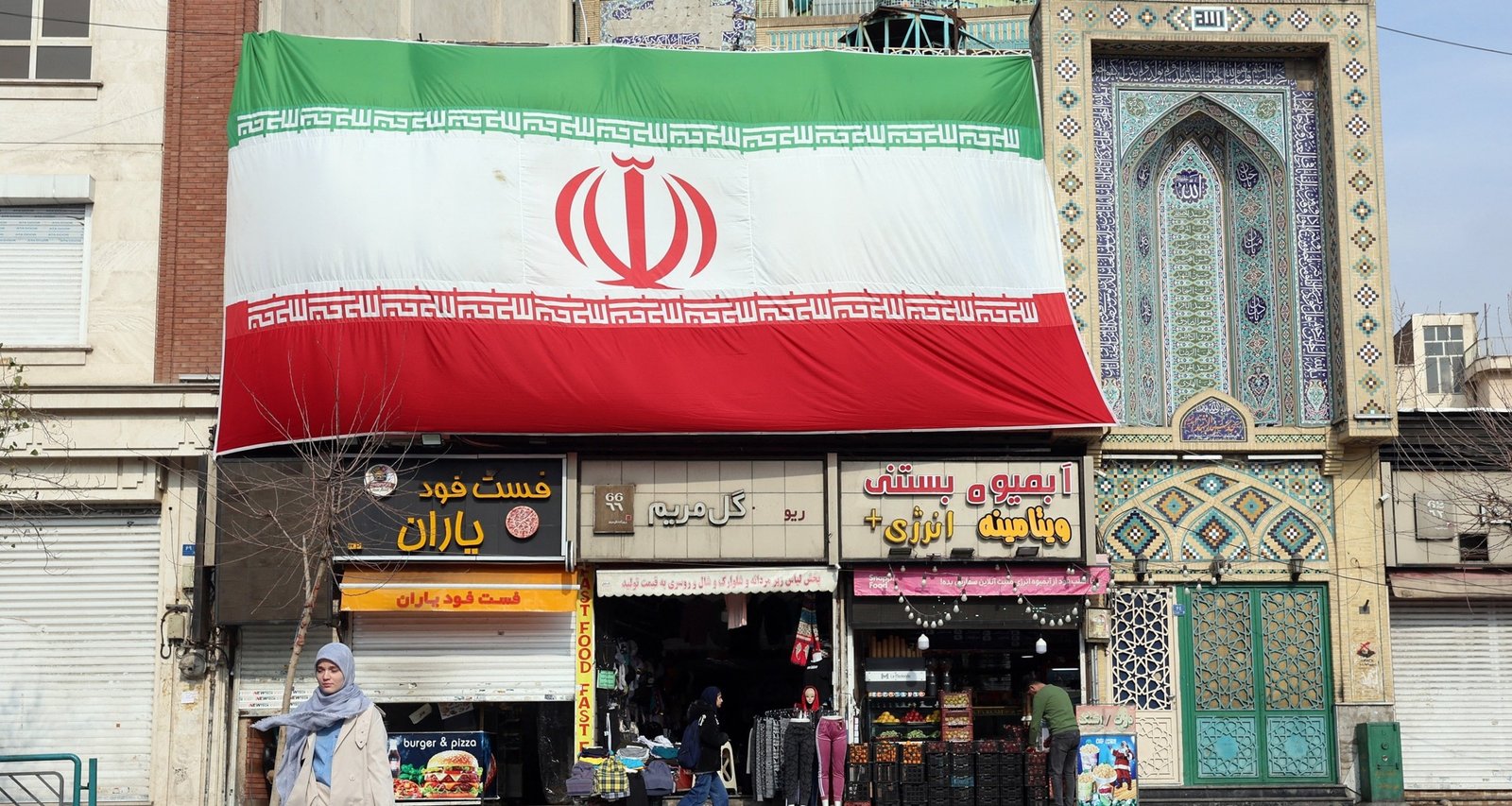
Imagem: Internet
Speaking in Washington on Thursday, Secretary of State Marco Rubio said Iran’s leadership was out of step with the aspirations of its populace, calling the gap “perhaps the widest of any nation.” He nonetheless endorsed a negotiated outcome that would verifiably end Iran’s nuclear ambitions.
White House leverage
Leavitt emphasized that diplomacy is the preferred U.S. pathway but noted that President Trump retains “many options” beyond negotiations, describing the American military as the most powerful in history. Her remarks echoed the administration’s repeated assertions that it will not permit Iran to obtain a nuclear weapon.
Regional and global stakes
Iran’s nuclear program has been under intense international scrutiny since the early 2000s. The objective of Friday’s meeting, according to U.S. officials, is to outline a framework leading to full dismantlement of Iran’s enrichment capabilities and enhanced verification by international inspectors. For background on long-standing monitoring efforts, see the International Atomic Energy Agency, which oversees compliance with nuclear non-proliferation agreements worldwide.
Tehran insists that its nuclear activities are for civilian purposes and that sanctions relief must accompany any rollback of its program. Washington argues that only the permanent elimination of Iran’s enrichment capacity can guarantee regional security.
Timeline of recent flashpoints
- June 2025: Joint U.S.-Israeli airstrikes hit Iranian nuclear installations, halting scheduled negotiations in Oman.
- Late December 2025: Economic collapse sparks nationwide protests in Iran.
- January 2026: President Trump cancels meetings with Iranian officials and orders naval forces toward the Gulf.
- February 6, 2026: Negotiators from both countries arrive in Muscat for renewed talks.
What comes next
Friday’s session in Oman is expected to focus on setting an agenda for detailed technical discussions. Diplomats say a successful outcome would involve phased steps: immediate de-escalation inside Iran, verifiable caps on enrichment, and incremental sanctions relief. Failure to reach consensus could revive the prospect of military confrontation, a risk both sides have cited but not ruled out.
Omani mediators, who have a history of facilitating quiet dialogue between adversaries, will host the closed-door meetings at a government compound on the outskirts of Muscat. No time frame has been announced for the talks, although officials hinted that additional sessions could follow if initial progress is made.
As delegates prepared to meet, large portraits of Iran’s national flag were draped across storefronts in downtown Tehran—a reminder, analysts note, of the government’s effort to project unity at a moment of internal upheaval and external pressure.
Crédito da imagem: AFP via Getty Images