In 2010, Cliff was inducted into the Rock & Roll Hall of Fame, which described him as reggae’s “first champion” and acknowledged his extensive efforts to popularize the genre around the world. His Grammy Awards for Best Reggae Album—earned for Cliff Hanger in 1986 and Rebirth in 2013—further underscored his sustained artistic relevance.
Musical Themes and Influence
Throughout his career, Cliff’s songwriting frequently explored themes of resilience, social justice and personal liberation. References to nature, storms and freedom were recurrent motifs, reflecting both his birthplace’s climatic volatility and his commitment to addressing oppression. His ability to blend compelling narratives with reggae’s rhythmic foundations earned him respect across multiple generations of musicians and fans.
Beyond his own recordings, Cliff’s influence extended to artists who later emerged as global reggae ambassadors. Performers ranging from Bob Marley to contemporary acts have cited his pioneering work as an essential inspiration. His extensive touring schedule—often described as tireless by industry observers—brought live reggae performances to festivals and concert halls on nearly every continent.
Film and Acting Contributions
While best known for his musical output, Cliff also left a notable imprint on cinema. His portrayal of Ivanhoe Martin in The Harder They Come remains one of Jamaican film’s defining performances. The character’s struggle against systemic barriers offered an unvarnished look at urban life in Kingston during the early 1970s. Cliff’s acting was praised for its authenticity, reinforcing his reputation as an artist capable of conveying complex stories through multiple mediums.
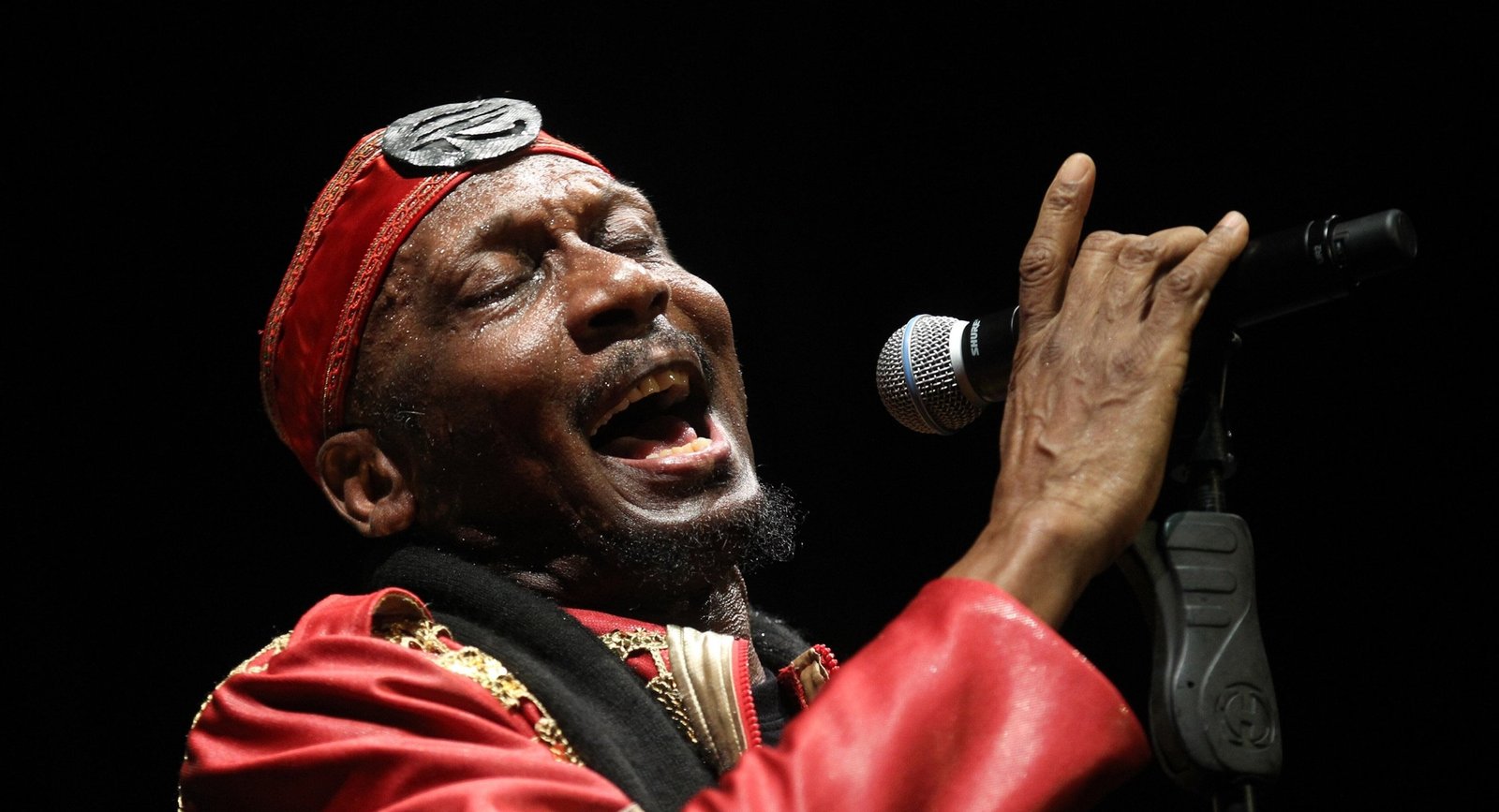
Imagem: Internet
Later Work and Recognition
Cliff continued to record and perform well into the 21st century. Rebirth, produced in collaboration with Tim Armstrong of the punk band Rancid, reintroduced Cliff to younger listeners and earned him his second Grammy. The album blended contemporary production techniques with traditional reggae elements, illustrating the artist’s adaptability and ongoing creative vitality.
He also remained a vocal advocate for cultural exchange, frequently highlighting reggae’s roots in Jamaica while emphasizing its capacity to resonate across borders. Industry analysts often pointed to Cliff’s willingness to collaborate with musicians from varied genres as a factor that broadened reggae’s audience.
Response to His Passing
In her message to supporters, Latifa Chambers expressed gratitude to the global community that had supported her husband throughout his life. She noted that fan engagement provided considerable encouragement during his extensive touring and recording career. Tributes from fellow musicians, cultural institutions and government officials are expected in the coming days as the reggae community reflects on Cliff’s legacy.
Funeral arrangements have not yet been announced. Observers anticipate that commemorative events will take place in both Jamaica and key international cities where Cliff’s music found enduring popularity.
Crédito da imagem: Wong Maye-e/AP


