Former president Donald Trump’s recent call for House Republicans to support the bill accelerated the shift. Over the weekend Trump publicly urged passage and indicated he would sign the legislation if it reaches his desk. Although the White House could order the release unilaterally, the administration has opted to wait for congressional action.
Legislative Path and Senate Outlook
The House vote is expected to send the bill to the Senate, where Majority Leader John Thune faces mounting pressure to schedule consideration. Senators have not announced a timeline, but Johnson said he has asked the upper chamber to amend the bill to address what he views as procedural flaws. Should both chambers agree on final language, the legislation would head to the president for signature.
Even if enacted, full disclosure is not guaranteed. Justice Department officials have privately signaled that materials tied to ongoing investigations or subject to executive privilege claims could remain shielded. A July joint statement from the Department of Justice and the FBI reported no evidence of a client list maintained by Epstein that would justify new criminal charges against uncharged parties.
Content of the Requested Records
Under the bill, federal agencies would have 60 days to release unclassified records on:
- Epstein’s criminal proceedings, plea agreements and civil settlements
- Investigations or immunity deals involving associates, including government officials
- Communications referencing Epstein or Maxwell across federal departments
Classified information would remain protected, and any item containing or depicting child sexual exploitation material is explicitly excluded. Supporters argue that broad disclosure will clarify whether influential figures received favorable treatment from law-enforcement authorities.
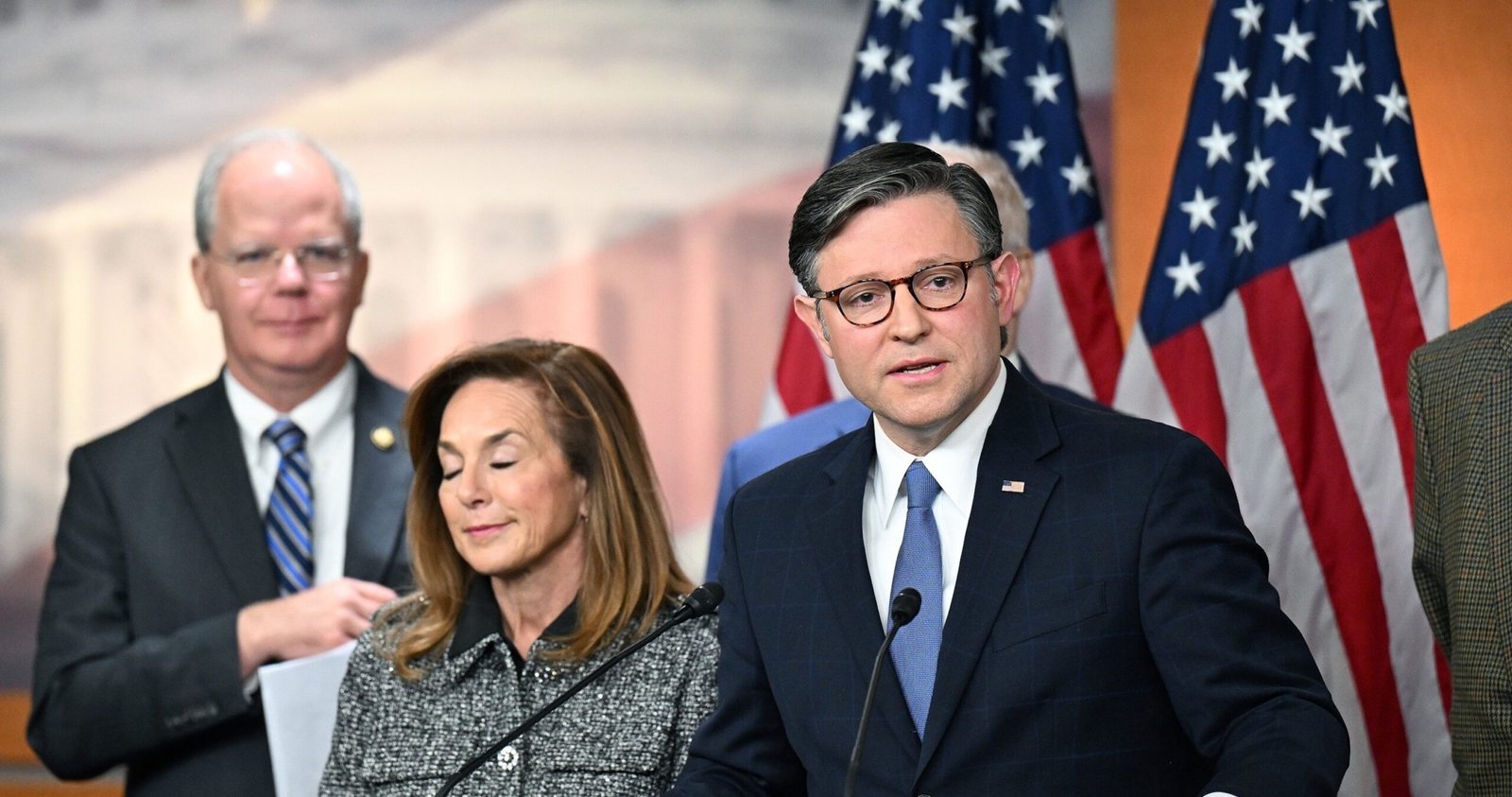
Imagem: Internet
Ongoing Oversight Committee Probe
Parallel to the transparency effort, the House Oversight Committee continues its own inquiry. Chairman James Comer has requested documents from the Epstein estate and testimony from several associates, including former president Bill Clinton. Johnson has pointed to that investigation as more comprehensive than the current legislation, though he ultimately conceded to the discharge petition’s procedural force.
Political Implications
The impending vote places many Republicans on record after prolonged scrutiny of the party’s stance. Proponents warn that opposing the bill could be portrayed as shielding powerful individuals linked to Epstein. Critics, including Johnson, counter that the measure lacks sufficient safeguards for victims and could compromise future prosecutions.
Epstein died by suicide in August 2019 while awaiting trial on federal trafficking charges in New York. Maxwell is serving a 20-year prison sentence after a December 2021 conviction on five counts related to aiding his abuse of underage girls. The high-profile nature of the case and Epstein’s past social connections with figures across the political spectrum have sustained public interest in official records.
Transparency advocates note that thousands of pages of documents are already public, yet significant portions of the investigative file remain sealed. Additional disclosures, they contend, could answer persistent questions about the scope of Epstein’s network and the adequacy of prior law-enforcement actions. The Department of Justice maintains an overview of its actions in the case on its website, which can be accessed here.
If the House approves the bill as anticipated, the Senate’s response will determine whether the measure reaches the president’s desk during the current session. Until then, the ultimate fate of the Epstein records—and the extent to which they become public—remains uncertain.
Crédito da imagem: Roberto Schmidt/Getty Images


