Background of the Prosecutor’s Appointment
Halligan, who had never previously served as a prosecutor, assumed office amid objections from career Justice Department personnel. Her appointment followed a social-media message in which the president urged Bondi to initiate prosecutions of Comey, Letitia James and Representative Adam Schiff. The judge’s opinion warned that accepting Bondi’s retroactive approval would effectively allow any private citizen to secure an indictment, so long as the attorney general later offered endorsement—an outcome the court deemed incompatible with constitutional requirements.
Guidance from the Department of Justice notes that U.S. attorneys must be appointed according to explicit statutory procedures, underscoring the significance of Currie’s conclusion.
Charges Against James Comey
The dismissed indictment accused Comey of making false statements and obstructing a congressional proceeding during testimony before the Senate Judiciary Committee in 2020. Comey entered a not-guilty plea at an October 2025 arraignment. Defense attorneys have maintained that the statute of limitations on the alleged offenses has already expired, and Currie’s ruling highlights that the government now faces a narrowing timeline to restart any prosecution. If the limitations period has indeed lapsed, the Justice Department would be barred from bringing the same charges again.
Charges Against Letitia James
Letitia James was charged with mortgage fraud related to a property she bought in Norfolk, Virginia, in 2020. Prosecutors alleged she classified the home as a secondary residence rather than an investment property to secure a favorable interest rate. James pleaded not guilty last month, asserting that the house was purchased for her great-niece, who lives there rent-free. Unlike Comey’s situation, the alleged mortgage-fraud conduct is still well within the applicable statute of limitations, giving federal authorities more flexibility should they seek a new indictment.
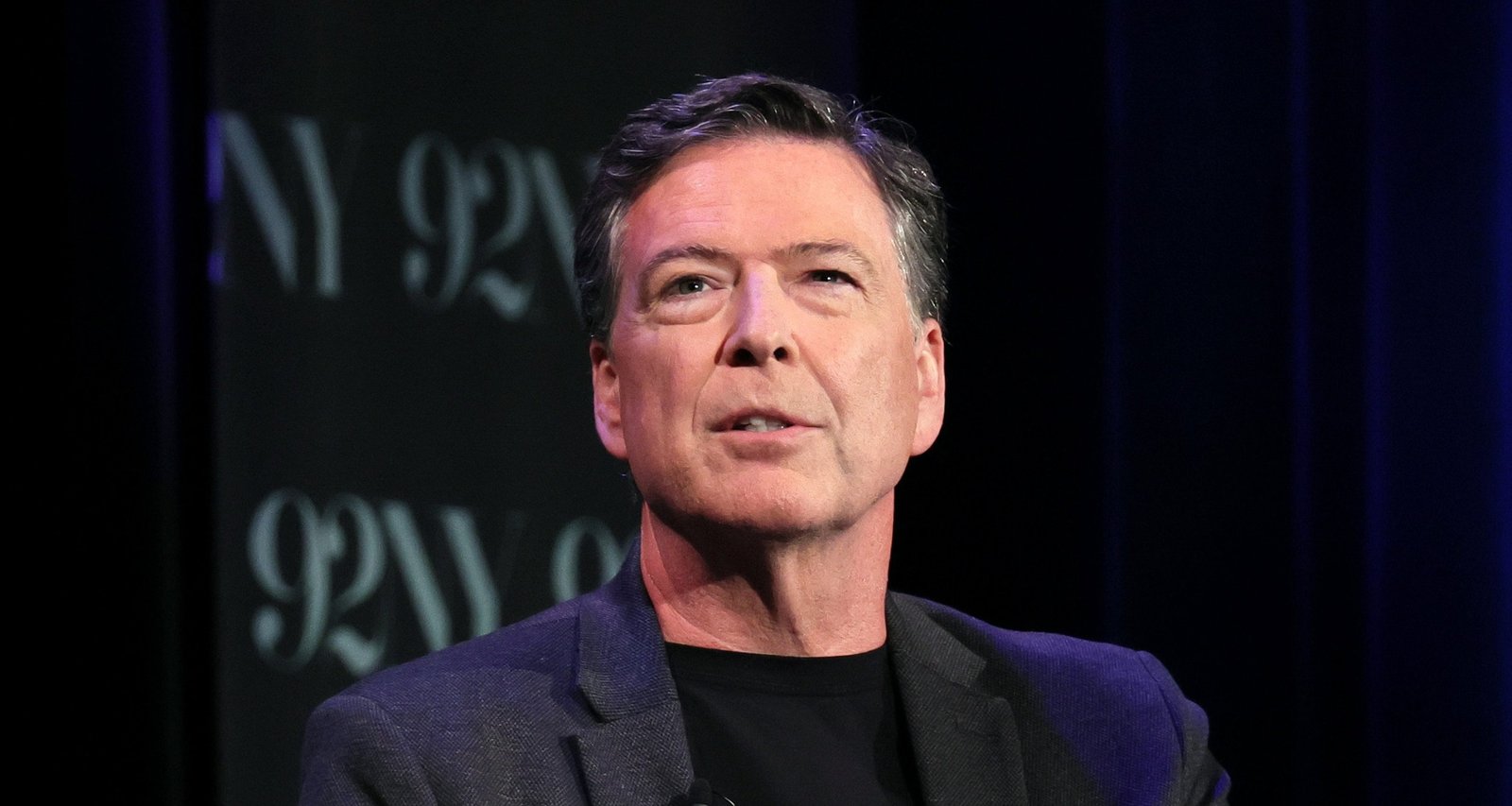
Imagem: Internet
Political Context
The indictments arrived during an election cycle in which the Trump administration regularly spotlighted investigations of perceived opponents. Comey, fired as FBI director in 2017, has long been a focus of Trump’s public criticism. Letitia James led the civil fraud lawsuit that resulted in a significant judgment against the former president in state court and has filed multiple actions challenging federal policy. While critics describe the pair of federal cases as retaliatory, Vice President J.D. Vance has maintained that any prosecutions under the administration are guided by legal, not political, considerations.
Next Steps for the Justice Department
The Justice Department must now determine whether to reopen either case under the leadership of a lawfully appointed U.S. attorney. Should officials pursue that path, prosecutors would need to present evidence to a new grand jury and secure fresh indictments. With the clock possibly expired on the alleged offenses tied to Comey, federal lawyers may face legal challenges even before addressing the merits. The mortgage-fraud allegations against Letitia James remain more viable from a timing standpoint.
Judge Currie’s decision underscores constraints on executive influence over federal prosecutions and reiterates the necessity of following statutory appointment procedures. By dismissing without prejudice, the court preserved prosecutorial discretion while reinforcing constitutional safeguards. Whether the Department of Justice will act swiftly to revisit either case, or allow them to lapse, remains uncertain.
Crédito da imagem: Dia Dipasupil / Getty Images; Jonathan Ernst / Reuters


