ICE offered a different narrative. In a written statement, the Department of Homeland Security (DHS) said agents were attempting to arrest Conejo Arias, whom the agency described as “an illegal alien from Ecuador who was released into the U.S. by the Biden administration.” The statement asserted that Conejo Arias fled on foot as agents approached his vehicle, leaving his son behind. One officer, DHS said, stayed with the child while others pursued and detained the father.
Pending Asylum Application
Court filings indicate that Conejo Arias and his son entered the United States at a port of entry using the CBP One mobile application to schedule an appointment with U.S. Customs and Border Protection. Their attorney, Marc Prokosch, said the family had complied with legal procedures and possessed a pending asylum claim at the time of their arrest. No deportation order had been issued against either individual.
“These are not undocumented entrants,” Prokosch argued in the petition. “They presented themselves lawfully and await adjudication of their asylum request.” The filing adds that the abrupt detention interferes with their ability to prepare their case and risks separating the child from supportive community structures established in Minnesota.
Disputed Handling of the Child
The circumstances surrounding Liam’s custody remain contested. DHS contends that children encountered during enforcement actions are generally given two options: depart with the detained parent or be placed with a caregiver designated by that parent. In this instance, the department maintains that officers acted in the child’s best interest after the father allegedly abandoned him.
School officials who witnessed the scene dispute that description. They say another adult present outside the house asked agents for permission to care for the boy but was denied. According to the school’s account, the child was taken away in an ICE vehicle despite offers of immediate, familiar supervision.
Scope of the Court Order
Judge Biery’s ruling does not address the legality of the arrest itself; instead, it focuses narrowly on preventing removal or transfer until the habeas petition is resolved. For the moment, the decision ensures the father and son remain within a geographic area where counsel can access them and where the court retains jurisdiction.
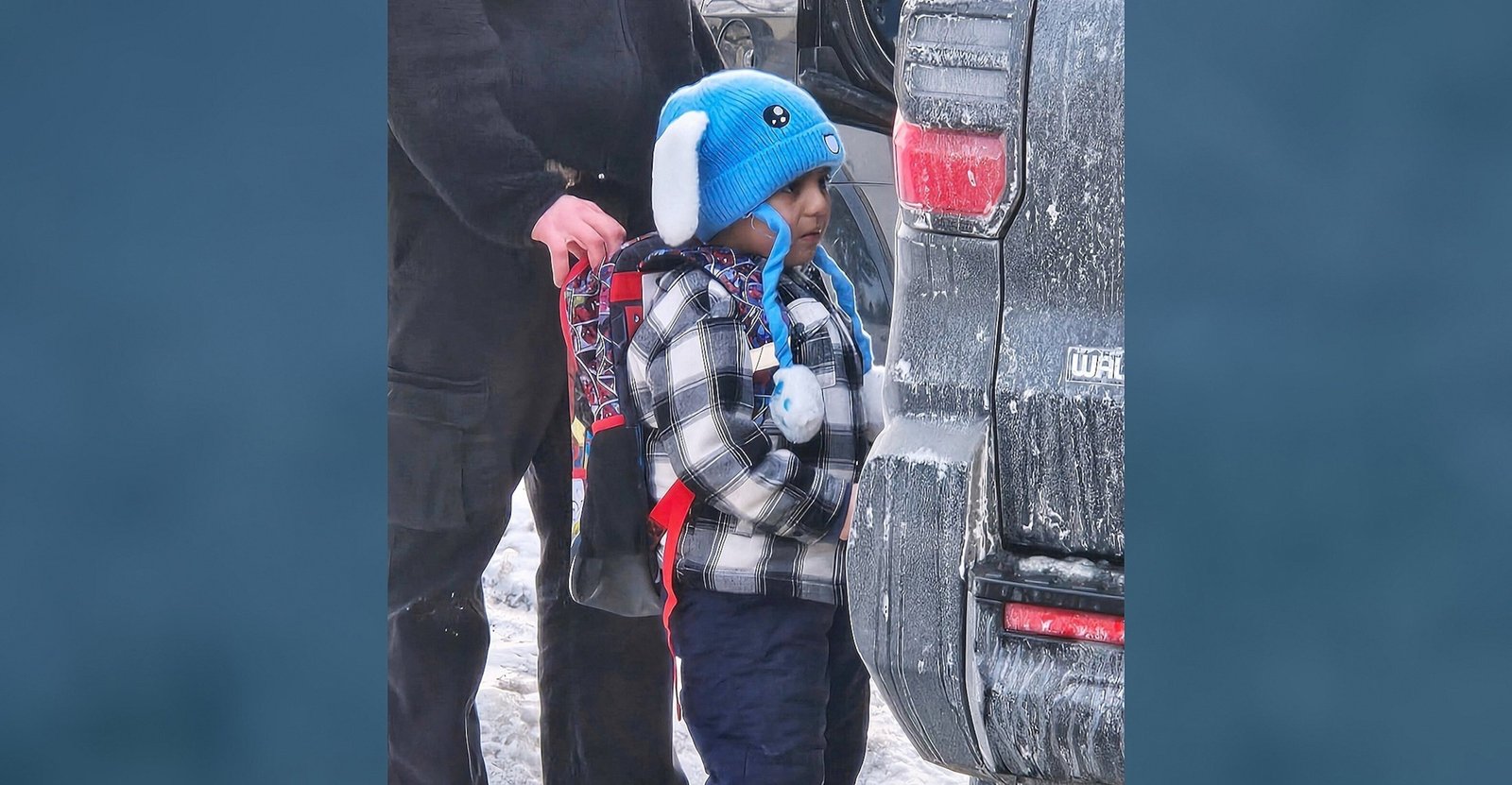
Imagem: Internet
Under the order, ICE may continue to detain the pair but cannot relocate them without further authorization from the bench. The agency must also provide notice to the court and opposing counsel of any proposed change in custodial status.
Next Legal Steps
The government has been directed to respond to the habeas petition in the coming weeks. Attorneys for the family are expected to argue that prolonged detention violates due-process protections, given the pending asylum application and the absence of a final removal order. They also intend to challenge the manner in which the child was taken into custody.
ICE, for its part, is likely to cite statutory authority permitting the detention of non-citizens deemed subject to immigration proceedings. The agency’s statement underscores that offering parents the option to be removed with their children or to place children with a caretaker “is consistent with past administrations’ immigration enforcement.”
Broader Context
The case unfolds amid intensified immigration enforcement in the upper Midwest, where federal officials have conducted a series of recent operations. Advocates contend that these actions risk sweeping up individuals with ongoing legal claims, while DHS maintains the operations target “priority non-citizens,” including those with criminal histories or outstanding removal orders.
Judge Biery’s order does not forecast the outcome of the underlying immigration matters. However, it introduces a pause that prevents immediate separation of the child from his father and allows federal courts to examine whether detention is justified while their asylum process continues.
Further hearings have not yet been scheduled. Until then, Liam Conejo Ramos and Adrian Conejo Arias remain in ICE custody in Texas, shielded for now from relocation or deportation as their legal challenge proceeds.
Crédito da imagem: Ali Daniels via AP