Judge William Fitzpatrick called the disclosure “uncharted legal territory,” noting that an indictment returned in open court must match the document reviewed and voted on by all grand jurors. Concerned that the discrepancy could undermine the proceedings, Fitzpatrick ordered prosecutors to give defense counsel audio recordings of the grand-jury sessions. U.S. District Judge Michael Nachmanoff has temporarily stayed that order while the government prepares objections.
The prosecution stems from Comey’s 2020 testimony before the Senate Judiciary Committee. Investigators allege he falsely told senators he never authorized subordinates to leak information, even though prosecutors say he directed a Columbia University professor to share material with The New York Times. Comey pleaded not guilty in October.
At Wednesday’s continuation of the hearing, Department of Justice attorney Tyler Lemons faced questions about whether career prosecutors had earlier recommended against bringing charges. Lemons told the court he was instructed by Deputy Attorney General Todd Blanche’s office not to reveal whether such a so-called declination memo exists. The judge pressed for specifics, but Lemons provided none, referring only to “various draft memos.”
Halligan’s appointment followed the forced resignation of former acting U.S. attorney Erik Siebert, whom sources said had resisted cases against Comey and New York Attorney General Letitia James. Shortly before Halligan sought the indictment, Trump posted on social media urging Attorney General Pam Bondi to “act NOW!!!” against Comey, James and Rep. Adam Schiff. Halligan, who had no prior prosecutorial experience, personally presented the case to the grand jury.
Comey’s legal team contends the sequence of events shows the prosecution is retaliatory. Court filings describe “objective evidence” that Trump directed the case because of “genuine animus” toward the former FBI director. Defense lawyers cite the president’s public statements and the replacement of Siebert as indications that, absent political pressure, the indictment would not exist.
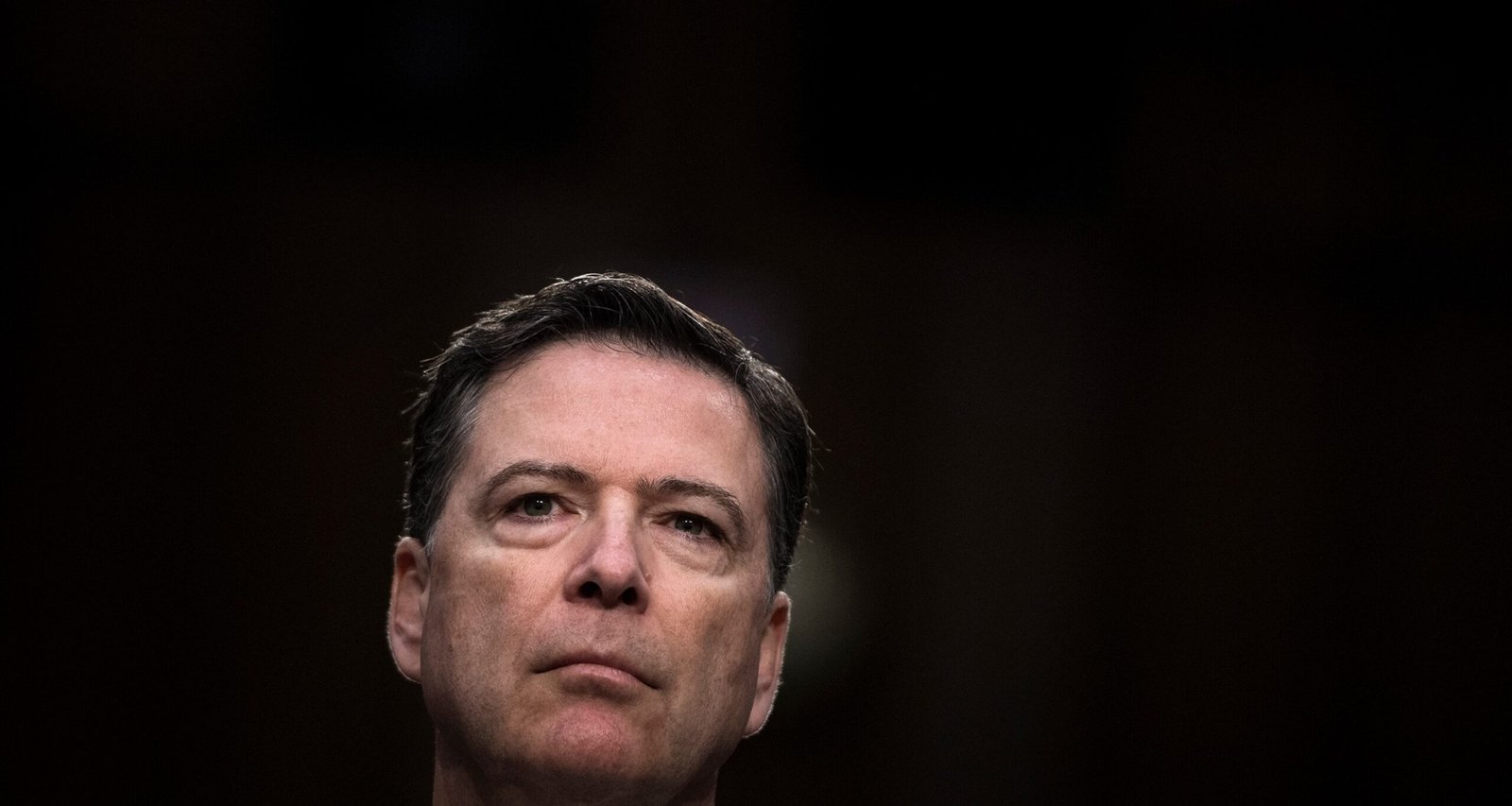
Imagem: Internet
Prosecutors counter that Comey cannot meet the high threshold required to prove vindictive prosecution. They argue that allegations a senior official lied under oath involve “societal interests of the highest order” and are therefore a legitimate basis for federal charges. The government also maintains that Halligan herself harbors no personal hostility toward Comey, even if the president has criticized him.
In briefs submitted to the court, prosecutors said Trump’s online posts may reflect disfavor but do not, by themselves, establish an improper motive. Instead, they point to a “years-long record” suggesting Comey may have committed crimes related to unauthorized disclosures and congressional testimony.
Judge Fitzpatrick’s ruling highlighted what he termed a “disturbing pattern of profound investigative missteps,” including at least two occasions where Halligan misstated the law during her presentation to the grand jury. Such errors, combined with the limited review of the final indictment, could, according to the court, place the prosecution on uncertain legal footing.
Legal experts note that federal rules require an indictment to be approved by at least 12 grand jurors after they have heard or reviewed the evidence. If the current indictment was not seen by the full panel, the court may have to consider whether the document is valid at all. The Federal Rules of Criminal Procedure governing grand-jury processes are outlined by the Administrative Office of the U.S. Courts and summarized by the Legal Information Institute at Cornell University.
The case is set for trial on Jan. 5. A timetable for rulings on the defense motion to dismiss and on the release of grand-jury recordings has not yet been announced.
Crédito da imagem: Brendan Smialowski/AFP via Getty Images


