Government counsel Tyler Lemons rejected that characterization, telling the court that Halligan alone decided to seek the indictment. “Ms. Halligan was not a puppet,” Lemons said. He added that it is appropriate for a sitting president to declare publicly that someone has broken the law if the president believes the conduct was criminal. Vice President J.D. Vance has previously made similar assertions, saying the administration’s prosecutions are driven by law, not politics.
Judge Nachmanoff repeatedly questioned Lemons about the events that produced the indictment. The judge sought details on who drafted the charging documents, whether any instructions came from the White House, and why two different versions of the indictment exist. At one point, Nachmanoff noted that even the color of the ink differed between the documents, suggesting possible irregularities in how they were prepared or filed.
Lemons, facing sustained questioning, asked several times to confer with Halligan and other members of the prosecution team. Ultimately, the judge called Halligan to the lectern to explain why the full grand jury did not vote on a revised indictment that was drawn up after an earlier version had been rejected. Halligan testified that only the grand-jury foreperson and one additional juror reviewed the second document, but she maintained that it reflected the full panel’s vote on the prior indictment.
Her explanation was followed by a brief silence in the courtroom before the judge responded simply, “Well.” Dreeben seized on that reaction, insisting the grand-jury issue alone requires dismissal. He contended that presenting a revised indictment to less than the full grand jury undermines the legitimacy of the charges and violates the defendant’s constitutional rights.
In light of the dispute, Judge Nachmanoff ordered both sides to submit supplemental briefs analyzing a 1969 U.S. Supreme Court decision in which a conviction was overturned due to defective grand-jury proceedings. The judge said he would weigh how that precedent bears on Comey’s case before ruling on the defense motion to toss the indictment.
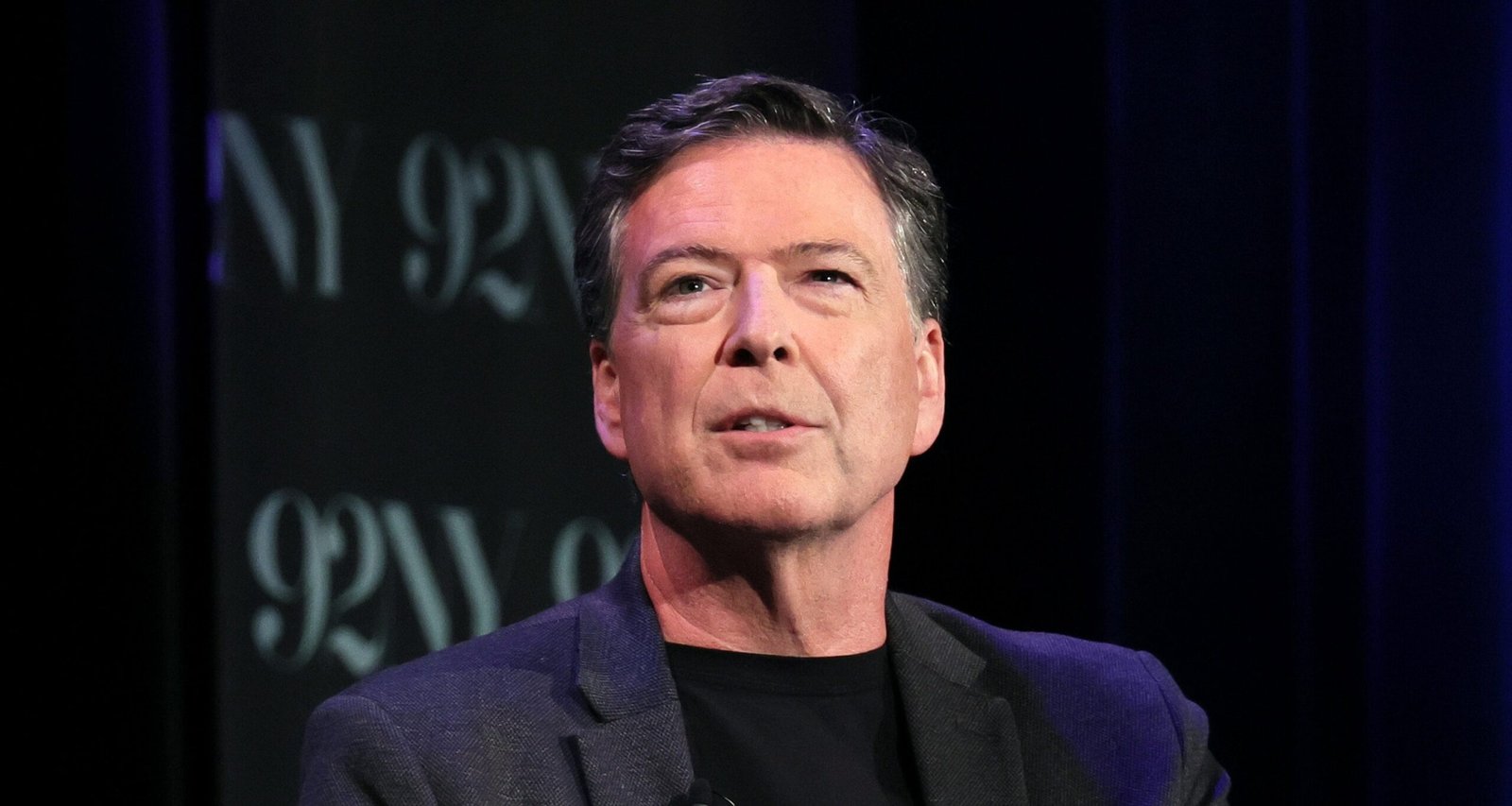
Imagem: Internet
Throughout the session, Nachmanoff showed particular interest in the timing of Trump’s public statements and the replacement of the top federal prosecutor in the district. He asked Lemons whether Halligan’s appointment was coordinated with the White House and whether any communications exist directing her to target Comey. Lemons said no such directives were issued.
Dreeben countered that the sequence of events tells a different story: Trump publicly demanded action against Comey, replaced the sitting U.S. attorney with a trusted ally, and then saw an indictment returned by a grand jury that may not have reviewed the documents in full. “A message needs to be sent to the executive branch,” Dreeben told the court.
The judge did not indicate when he will rule on the dismissal motion, but his request for additional briefing suggests the question of whether the indictment is fatally flawed will remain under close examination. If Nachmanoff finds the grand-jury process defective or concludes that improper political influence tainted the case, he could set aside the charges and end the prosecution before trial.
Grand-jury practice generally requires that a quorum of jurors review and vote on any indictment, and federal courts have invalidated indictments when that procedure is not followed. An overview of grand-jury requirements by the Administrative Office of the U.S. Courts, available on its official website, notes that adherence to these rules is essential to protect a defendant’s constitutional rights.
Crédito da imagem: Dia Dipasupil/Getty Images


