Shortly after DHS announced the rule, immigrant-rights organizations filed a class action on behalf of four detainees held at the Adelanto ICE Processing Center in California. The suit argued that the policy violated both statutory and constitutional protections by denying individualized custody determinations. On July 28, Judge Sykes granted a temporary restraining order blocking the government from keeping the four named plaintiffs in mandatory detention. Tuesday’s decision expands that protection to all similarly situated migrants.
In her order, Judge Sykes wrote that the plaintiffs had shown a likelihood of success on the merits and would suffer irreparable harm without relief. She concluded that DHS lacked authority to impose categorical detention on the specified group and that the agency’s interpretation of the Immigration and Nationality Act conflicted with decades of precedent.
The ruling does not automatically release anyone from ICE custody. Instead, it restores access to bond hearings, where immigration judges weigh flight risk and public-safety factors before deciding whether to authorize release and set a monetary bond. Advocates estimate that thousands of detainees—potentially spanning multiple facilities—could now request such hearings.
The government has not indicated whether it will appeal. If Department of Justice attorneys seek review by the U.S. Court of Appeals for the Ninth Circuit, the administration could ask that court to stay Judge Sykes’s order while the case proceeds. Absent a stay, ICE officers must begin affording bond hearings to class members in accordance with the decision.
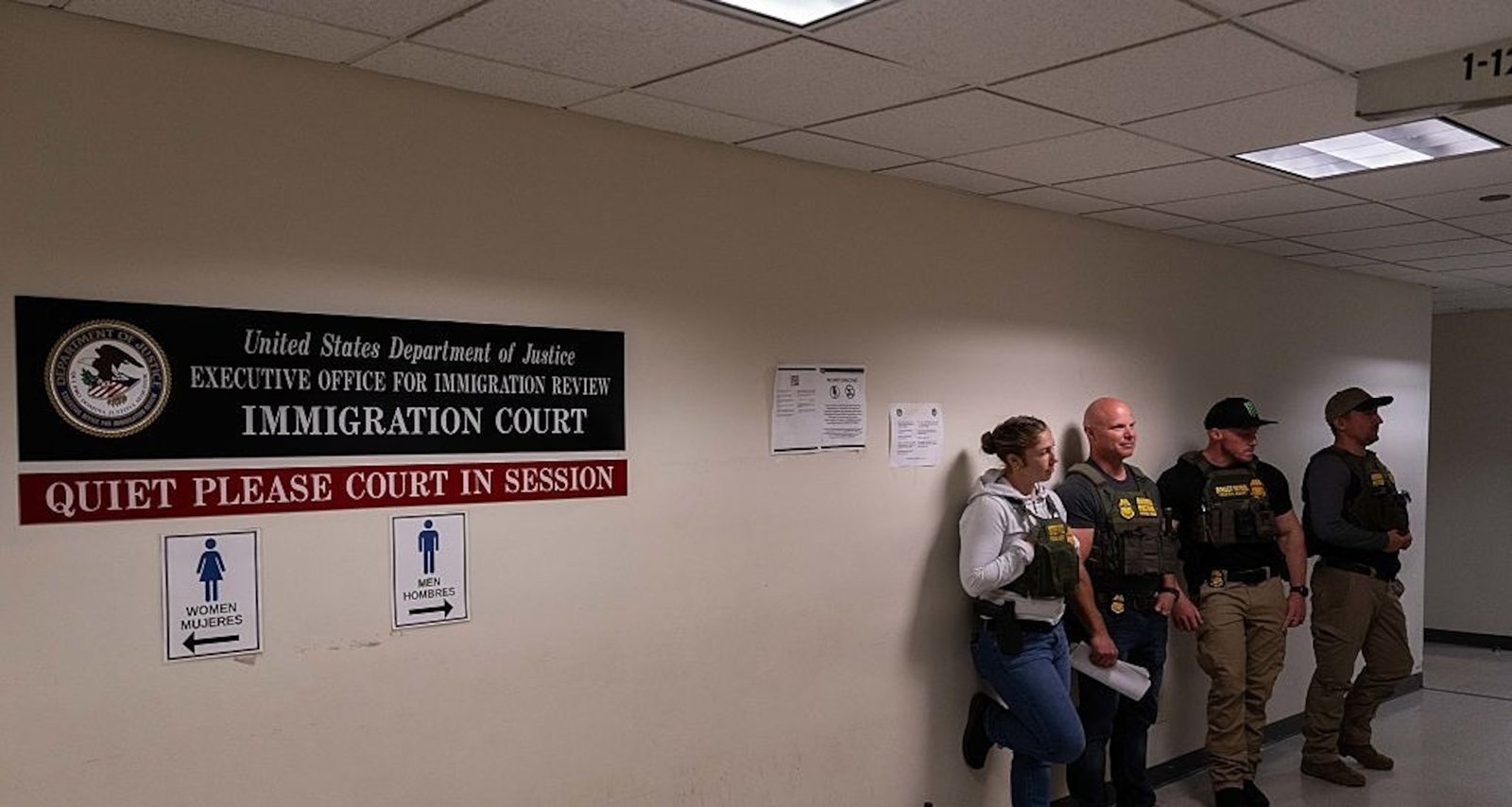
Imagem: Internet
The July policy emerged amid broader efforts by the Trump administration to increase interior enforcement and expand detention capacity. Earlier this year, ICE officials stated a goal of holding roughly 3,000 migrants per day following immigration court check-ins. The now-rescinded directive had become a central component of that strategy by sharply limiting releases from custody.
Legal analysts note that mandatory detention policies have repeatedly faced court challenges over the past decade. In 2018, for example, the U.S. Supreme Court ruled in Jennings v. Rodriguez that the Immigration and Nationality Act does not require bond hearings every six months for certain detainees, but the Court left open constitutional questions about prolonged custody without review. Tuesday’s order adds to a complex legal landscape in which district courts, circuit courts and the Supreme Court have alternated between narrowing and expanding the government’s detention powers.
For migrants now eligible for bond, the practical impact will depend on the capacity of immigration courts to schedule hearings promptly and on detainees’ ability to post bond amounts, which often range from a few thousand to tens of thousands of dollars. According to public data from the Executive Office for Immigration Review, the average immigration case continues for more than two years, underscoring the significance of pre-trial release.
Advocates involved in the litigation said they are preparing to inform detainees of their renewed eligibility. ICE facilities are expected to receive operational guidance in the coming days on implementing Judge Sykes’s directive.
Crédito da imagem: Adam Gray/Getty Images


