The DOJ deployment also includes support from more than 100 Federal Bureau of Investigation analysts trained in managing records that contain victim details. The filing emphasizes that the attorneys and analysts must coordinate to remove or mask identifying information before any materials can be posted publicly.
Volume of Records Still Unclear
The department did not provide an overall page count for the 2 million documents now under review, nor did it specify when the next public release might occur. As of Monday, the DOJ’s online Epstein Library contained 12,285 documents totaling roughly 125,000 pages. Those records represent only a fraction of the files believed to fall within the scope of the act.
Last week, the DOJ said it had located more than 5 million records that may need to be processed for disclosure. In a footnote to Monday’s filing, the department noted that roughly 1 million newly identified FBI documents could duplicate materials already gathered, but each record must still go through processing and deduplication to confirm overlap.
Privacy Requests from Alleged Victims
Clayton told the court that the DOJ has received “dozens” of requests from individuals who identify as victims, as well as their representatives, seeking additional redactions in documents already posted online. To address those concerns, the department plans to adjust its procedures so that victim-identifying details are further protected in future releases.
“The Department remains committed to providing as much protection to the privacy interests of victims and their relatives as is practicable,” the filing states.
Congressional Deadline Missed
The transparency statute set December 19 as the deadline for full disclosure of eligible materials. The DOJ’s letter did not request an extension, but acknowledged that “substantial work remains.” The department has not indicated how long the remaining reviews, redactions and technical preparations will take.
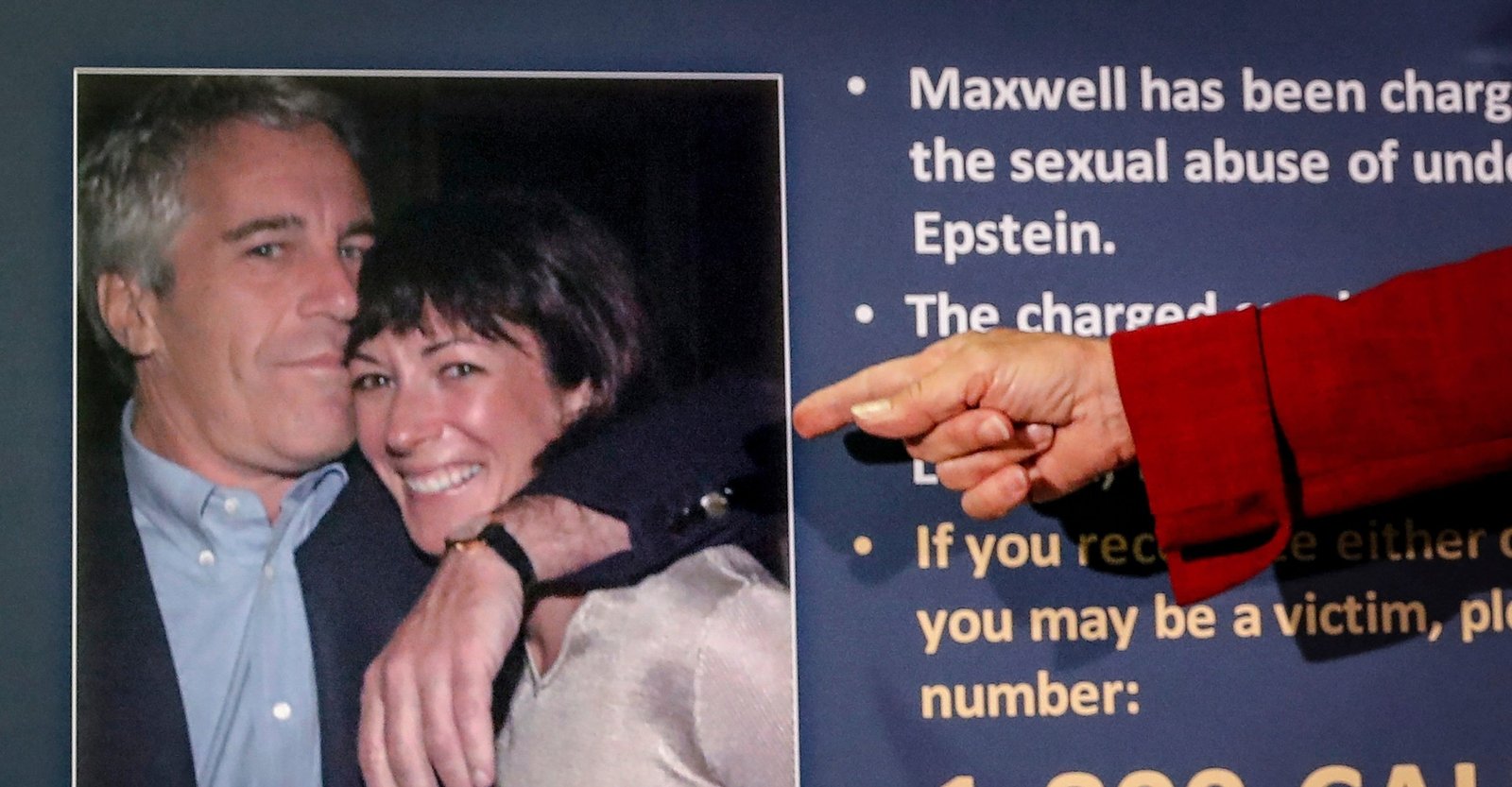
Imagem: Internet
Experts say large-scale document productions of this nature often involve complex technical and legal challenges, including data formatting, privilege review and coordination among multiple agencies. Further information on best practices for federal records processing is available through the U.S. National Archives, which publishes guidelines on data management across government departments.
Background on the Act
The Epstein Files Transparency Act directs the DOJ, FBI and other federal entities to publicly release investigative materials related to Epstein, who died in federal custody in 2019 while awaiting trial on sex-trafficking charges. The law aims to increase transparency around previous investigations conducted in Florida and New York, as well as any related national-security or financial-crimes inquiries.
The statute also requires the department to update its public repository at regular intervals and to notify Congress of any delays. Monday’s filing represents the DOJ’s latest status update since the December deadline passed without full compliance.
Next Steps
While the DOJ has not offered a specific timeline for completion, the letter indicates that additional document uploads will occur on a rolling basis as individual batches complete legal, technical and privacy reviews. The department further stated that it is “committed to making the fullest possible disclosure” consistent with its obligations to protect ongoing investigations and personal-privacy interests.
Judge Engelmayer has not yet issued an order in response to the DOJ’s update. Future filings will likely outline progress and any adjustments to staffing, technology or procedures needed to expedite the release of the remaining investigative files.
Crédito da imagem: John Minchillo/AP


