Missteps in victim redactions
Minutes after the files went live, lawyers representing hundreds of Epstein survivors reported that many documents display victims’ names and other personal identifiers in plain text. Attorney Brad Edwards, who has advised clients in the case for more than two decades, said his office received a surge of calls from affected women. The DOJ acknowledged the errors and established a dedicated email address for survivors who wish to flag unredacted material. Officials indicated that documents identified as problematic will be removed and corrected.
Trump references and allegations of favoritism
Former President Donald Trump’s name appears thousands of times across the released pages, often inside news articles collected by investigators. Blanche rejected suggestions that department staff shielded or favored Trump during the redaction process, stating that the release “protected or singled out no one.” He added that if any document demonstrates criminal conduct by individuals not yet charged, federal prosecutors will pursue those leads.
Content of FBI interview summaries
The disclosure includes numerous FBI Form 302 reports memorializing interviews with alleged victims and witnesses from 2013 to 2021. The summaries describe an organized network that, according to interviewees, arranged domestic and international travel for underage girls and young women. Ghislaine Maxwell is repeatedly portrayed as a primary recruiter who enticed prospects with promises of professional massages, dance lessons, or modeling opportunities before introducing them to Epstein.
Several witnesses linked prominent figures to Epstein’s social circles. One accuser described encounters with the former Prince Andrew in London, New York, and Epstein’s private Caribbean island. Another interviewee recalled being introduced to Trump at a New York party and later touring Mar-a-Lago in his company; the witness emphasized that no sexual activity occurred with Trump. Commerce Secretary Howard Lutnick and the late French modeling agent Jean-Luc Brunel are also named in multiple reports.
Internal investigative documents
Among the records is a chart mapping connections between Epstein, staff members and alleged accomplices. Eight people are labeled “suspected co-conspirators,” including Maxwell, Brunel and Epstein’s former executive assistant Leslie Groff. Separate internal memoranda produced shortly after Epstein’s 2019 death list additional associates—most of whose names were redacted—whose potential liability the FBI planned to assess.
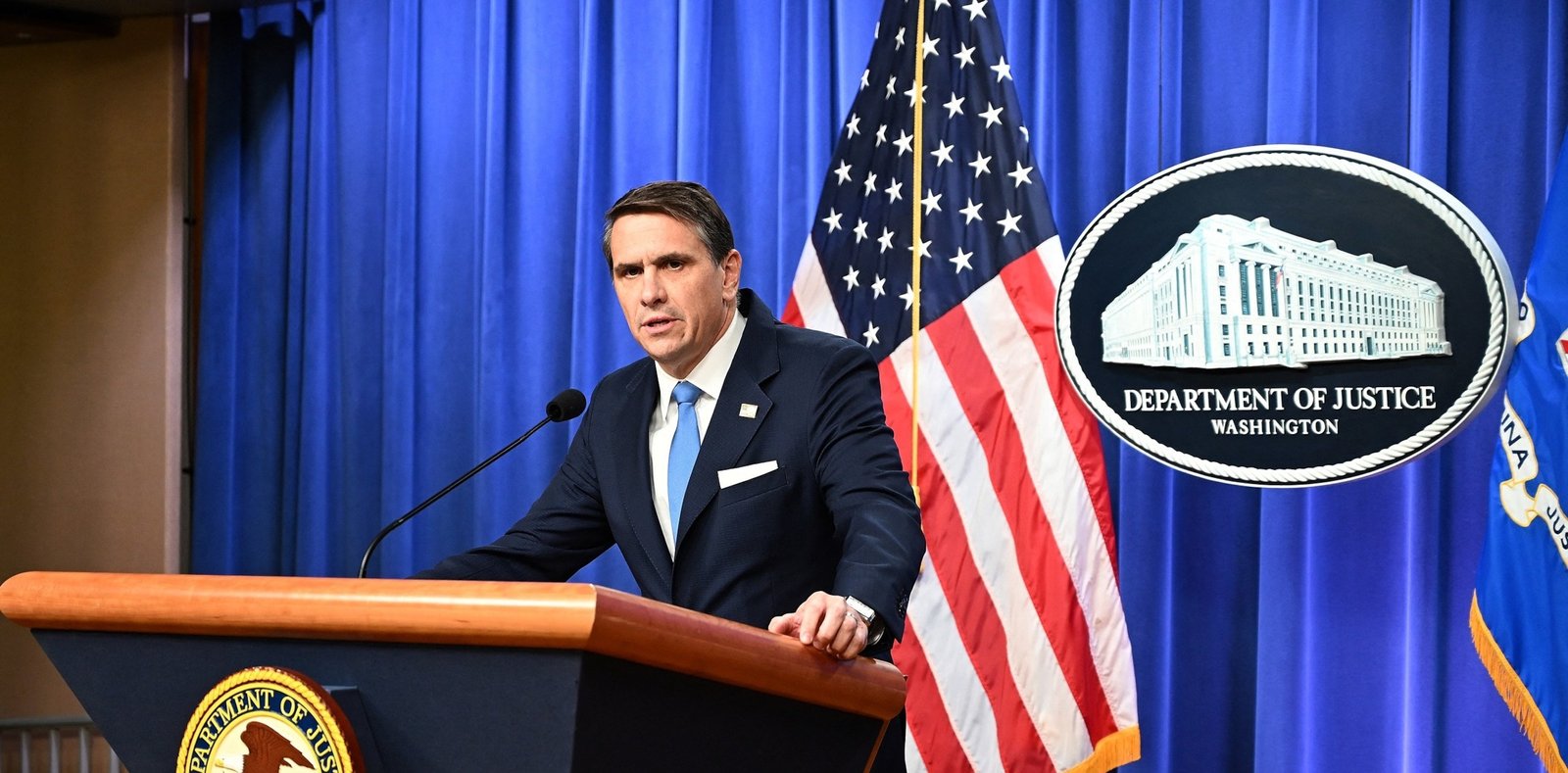
Imagem: Internet
Previously unseen 2005 draft indictment
The release features a 100-page charging document drafted during a 2005 Florida investigation. It details 58 of 60 counts alleging sexual offenses against six minors. Although the case ultimately ended with a controversial non-prosecution agreement and an 18-month sentence, the charging paper had not been public until now.
Epstein’s estate and trust agreement
For the first time, the full text of Epstein’s 2019 trust instrument is available. Executed two days before his death, the document outlines plans to distribute approximately $288 million in cash and global real estate to at least 44 beneficiaries. The largest bequest, $50 million plus several properties, was earmarked for Karyna Shuliak, described as Epstein’s last known girlfriend. Long-time lawyer Darren Indyke, accountant Richard Kahn, brother Mark Epstein, pilot Larry Visoski and Ghislaine Maxwell were each allocated amounts ranging from $10 million to $50 million. Probate filings in the U.S. Virgin Islands indicate that only about $127 million remains available, with the estate still tied up in litigation.
Correspondence with Elon Musk
The trove includes a decade-old email chain showing Epstein and entrepreneur Elon Musk discussing potential visits to Epstein’s private island in the Caribbean. Calendar entries from December 2013 list “ELON MUSK TO ISLAND DEC. 6TH,” and messages between the two men arrange possible travel dates. Musk has repeatedly denied ever traveling to the island.
Ongoing publication process
Friday’s materials represent the latest installment in a staggered release schedule that began in December, when roughly 125,000 pages were posted. Earlier disclosures contained photographs of Epstein’s estates and historic images of Epstein traveling with public figures, including former President Bill Clinton. The EFTA mandates continued publication of unclassified documents, subject to privacy and safety exemptions.
Information about the transparency law, the public online database and redaction protocols can be found on the Justice Department’s official website, a resource referenced by Blanche during the briefing.
Crédito da imagem: AFP via Getty Images