The initial version, widely viewed in Kyiv as heavily favoring Russia, reportedly demanded that Ukraine cut its armed forces by more than half, surrender additional territory not currently occupied by Russian troops, relinquish long-range strike capabilities and accept some form of international recognition of Russia’s 2014 annexation of Crimea. Sources familiar with the updated document said the strict troop-reduction clause and a proposed wartime amnesty have been removed, but they did not specify which of the remaining 19 points still align with Moscow’s earlier demands.
Moscow Awaits Direct Engagement
Yuri Ushakov, President Vladimir Putin’s top foreign-policy aide, told Russian journalists on Monday that any settlement plan will require revision by all parties and stressed that no one has begun formal discussions with Moscow. Ushakov said the Kremlin expects Washington to propose face-to-face talks in the coming weeks.
Separately, a U.S. official confirmed that Army Secretary Dan Driscoll met quietly with a Russian delegation on Monday in Abu Dhabi, United Arab Emirates, to follow up on the Geneva negotiations. Details of that meeting were not released.
Putin’s Initial Reaction
Last Friday, Putin informed Russia’s Security Council that the Kremlin had received the 28-point American proposal and considered it a possible foundation for a final settlement, even though the text had not yet been debated with Russian representatives. He suggested Washington had been unable to obtain full Ukrainian approval, contending that Kyiv and its European partners still hoped to achieve a “strategic defeat” of Russia on the battlefield.
Responses from Washington and Kyiv
U.S. President Donald Trump hinted at progress in a social-media post Monday, urging observers to “wait and see” whether significant advancements are truly under way. Ukrainian President Volodymyr Zelenskyy said his delegation was returning from Geneva to brief him on the outcome. Once updated, he plans to decide on next steps and timing for further negotiations, noting that substantial work remains to turn the pared-down framework into an acceptable final document. Zelenskyy also confirmed plans to discuss sensitive issues directly with Trump.
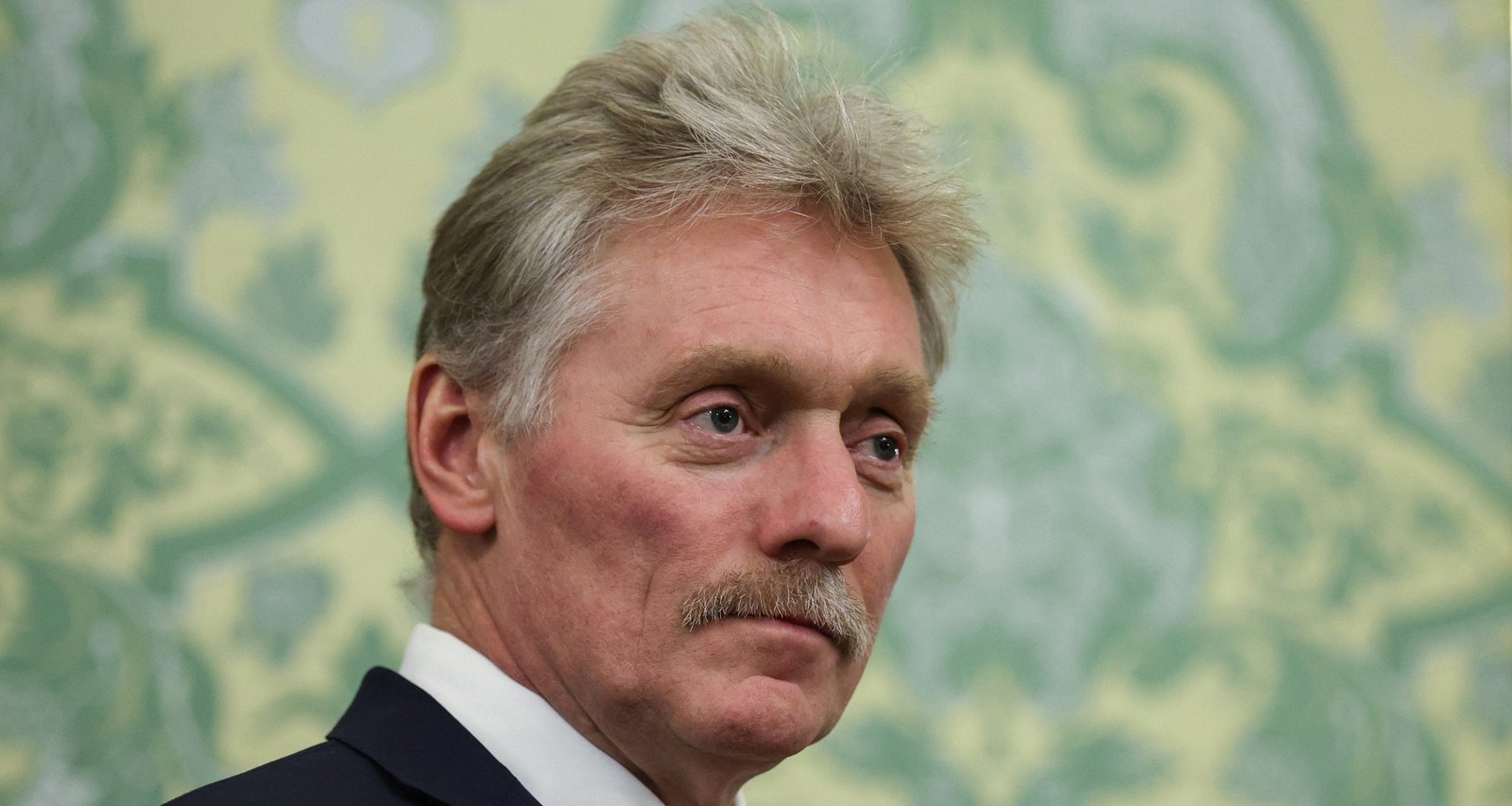
Imagem: Internet
Core Points Still in Dispute
While the new 19-point draft has not been published, key sticking points are expected to center on territorial control, Ukraine’s future military capabilities and security guarantees. The earlier version envisioned Ukraine relinquishing large areas in the south and east that Kyiv still controls, including parts of Zaporizhzhia and Kherson regions, and effectively recognizing Russia’s hold over Crimea. Limiting Ukraine’s missile range and troop strength would potentially leave the country without means to deter future aggression, a scenario Ukrainian officials have previously rejected.
Western diplomats say the talks are complicated by diverging goals among stakeholders. The United States seeks a negotiated end to a war that has strained global supply chains and defense budgets, while European governments remain wary of any deal perceived as legitimizing territorial conquest. For its part, the Kremlin wants security concessions and formal recognition of the gains its forces have secured since 2014.
According to the United Nations Office for the Coordination of Humanitarian Affairs, more than 10 million people have been displaced inside and outside Ukraine since the February 2022 invasion, underscoring the urgency many in the international community see in reaching a durable settlement. (UN OCHA data)
Next Steps
No timeline has been announced for another round of multilateral talks. Russian officials have signaled readiness to study the American framework once they receive an updated version, while Ukrainian negotiators insist any agreement must respect their country’s sovereignty and provide reliable security assurances.
For now, the Kremlin’s public position remains deliberately limited, with Peskov emphasizing the need to cut through conflicting reports before Moscow issues a more detailed assessment. Until multiple drafts converge into a single, mutually acceptable text, the shape of any eventual peace deal—and the extent of compromise required from each side—will remain uncertain.
Crédito da imagem: Ramil Sitdikov/AP


