Summers, 71, served as Treasury secretary under President Bill Clinton from 1999 to 2001 and led Harvard University from 2001 to 2006. He joined OpenAI’s board in 2023, providing economic and policy guidance as the San Francisco-based firm expanded large-language-model research and commercial partnerships.
Harvard Opens New Review
Summers remains a member of Harvard’s faculty, but his campus role is now under fresh examination. A university spokesperson confirmed Wednesday that Harvard will conduct a new review of “information concerning individuals at Harvard included in the newly released Jeffrey Epstein documents to evaluate what actions may be warranted.” The university carried out an earlier assessment in 2020 that traced millions of dollars in donations from Epstein to Harvard—funds received before Epstein’s 2008 conviction in Florida on charges of soliciting prostitution from a minor.
Calls for Harvard to distance itself from Summers have intensified. Massachusetts Senator Elizabeth Warren has urged the university to sever ties, contending that faculty must meet the institution’s standards for ethical conduct. Harvard did not comment on whether Summers’s current teaching duties will be affected during the inquiry.
Documented Connections With Epstein
Court filings and flight manifests made public during civil litigation show that Summers flew on Epstein’s private aircraft at least four times. The trips occurred primarily during Summers’s Harvard presidency, a period when Epstein cultivated relationships with several academics and donated significant sums to the university. Those donations preceded Epstein’s plea agreement in 2008, when he admitted to one count of soliciting prostitution and one count of soliciting a minor for prostitution.
Epstein faced additional federal charges of sex trafficking and conspiracy in July 2019. He was found dead in a Manhattan detention center the following month in what was ruled a suicide. The U.S. Department of Justice Inspector General later reported security lapses at the facility (DOJ Inspector General report).
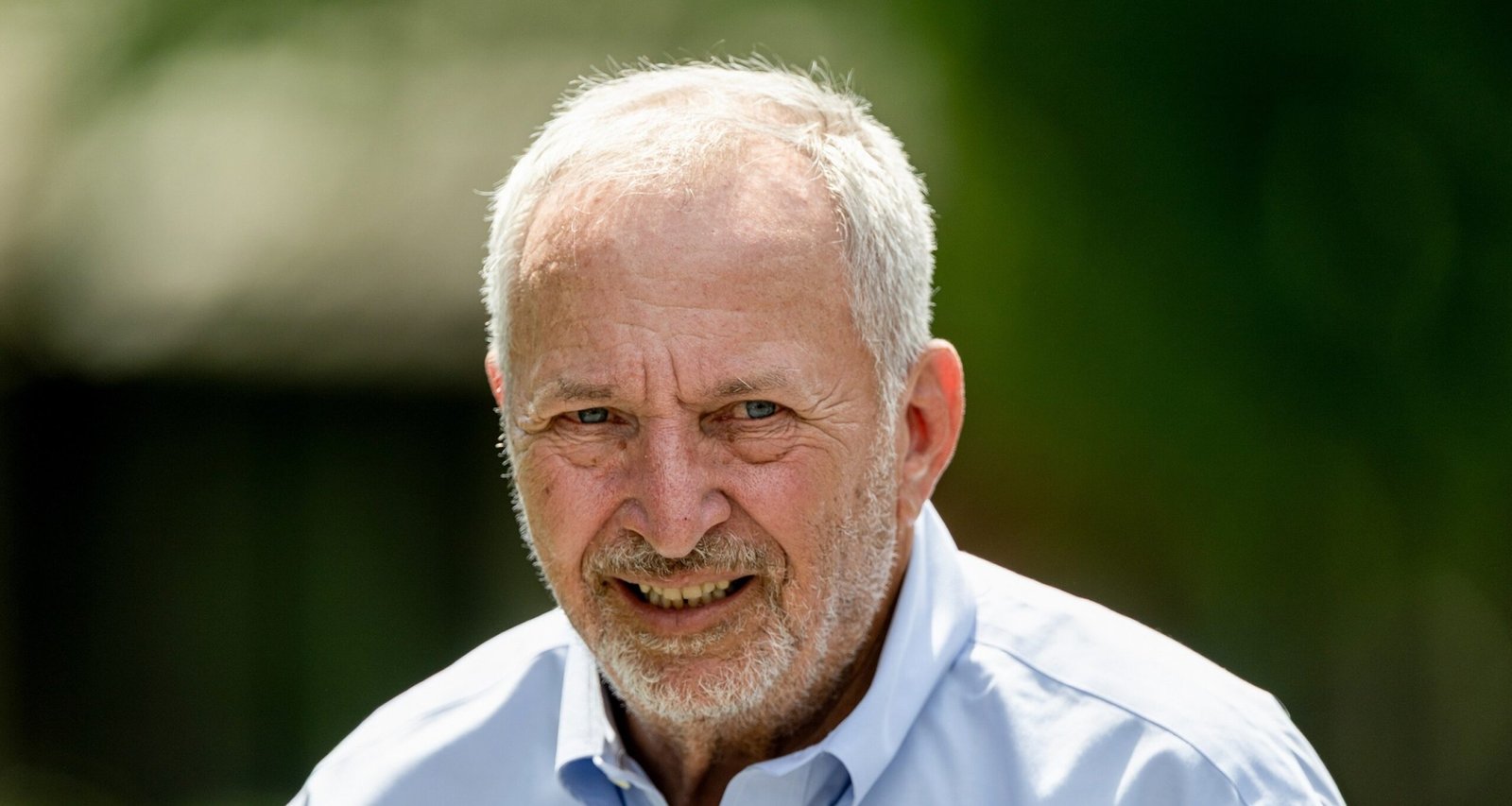
Imagem: Internet
Broader Implications for OpenAI
Summers’s exit removes a prominent economic voice from OpenAI’s board at a time when the company is navigating rapid growth, regulatory attention, and intensifying competition in the generative-AI sector. The board still includes co-founder Sam Altman, technology executives, and researchers focused on safety and governance issues. OpenAI did not indicate whether it plans to fill the vacant seat or alter its oversight structure.
Industry observers note that Summers’s background in macroeconomics and public policy had offered OpenAI a bridge to Washington lawmakers as they debate guardrails for artificial intelligence. The company, valued at tens of billions of dollars, has recently expanded partnerships with enterprise clients and rushed new product releases. It also faces proposals on Capitol Hill aimed at increasing transparency and accountability for AI systems.
Summers’s Future Plans
In Monday’s statement, Summers pledged to fulfill his teaching obligations while avoiding additional public roles. He described those steps as part of “a broader effort to rebuild trust and repair relationships with the people closest to me.” Beyond Harvard, Summers serves on several nonprofit and corporate advisory boards; it is unclear whether he intends to relinquish other positions.
Summers rose to prominence in the 1990s as chief economist of the World Bank and later as deputy and then full Treasury secretary. After leaving government, he became a high-profile academic and commentator on fiscal policy, technology, and globalization. His association with Epstein, first reported in 2019, has since overshadowed aspects of that career, especially after the House Oversight Committee released fresh communications detailing meetings and requests for advice.
As the university review proceeds and OpenAI adapts to the board change, attention will remain on whether additional repercussions arise for Summers and on how institutions linked to Epstein address historical ties.
Crédito da imagem: Bloomberg via Getty Images


