The divergent accounts have intensified calls for public release of the footage. President Joe Biden stated earlier that the White House had “no problem” with making the video available, yet Hegseth remained non-committal, citing the need to protect operational methods. “We’re reviewing that right now,” the secretary told reporters, adding that any decision would weigh national security implications.
Smith dismissed those concerns, arguing that the clip is comparable to strike recordings already posted by the Pentagon. He contends the reluctance stems from an inability to justify the second attack once the video is scrutinized outside classified settings.
Legal questions surrounding the broader anti-drug campaign also persist. The administration has designated several Caribbean and Pacific smuggling organizations as foreign terrorist entities, a move it says grants authority to target their vessels under the president’s Article II powers and previous congressional authorizations. Critics, including Smith, counter that treating drug traffickers as combatants grants the executive branch sweeping latitude to employ lethal force far from traditional battlefields.
Sen. Eric Schmitt, a Republican member of the Senate Armed Services Committee who has not viewed the contested footage, defended the policy in a separate television appearance. Citing a more than 40-page memorandum from the Justice Department’s Office of Legal Counsel (OLC), he said Judge Advocate General officers review every strike and that “no serious legal expert” doubts the president’s authority. The OLC opinion itself has not been released, and Democrats continue to push for its disclosure.
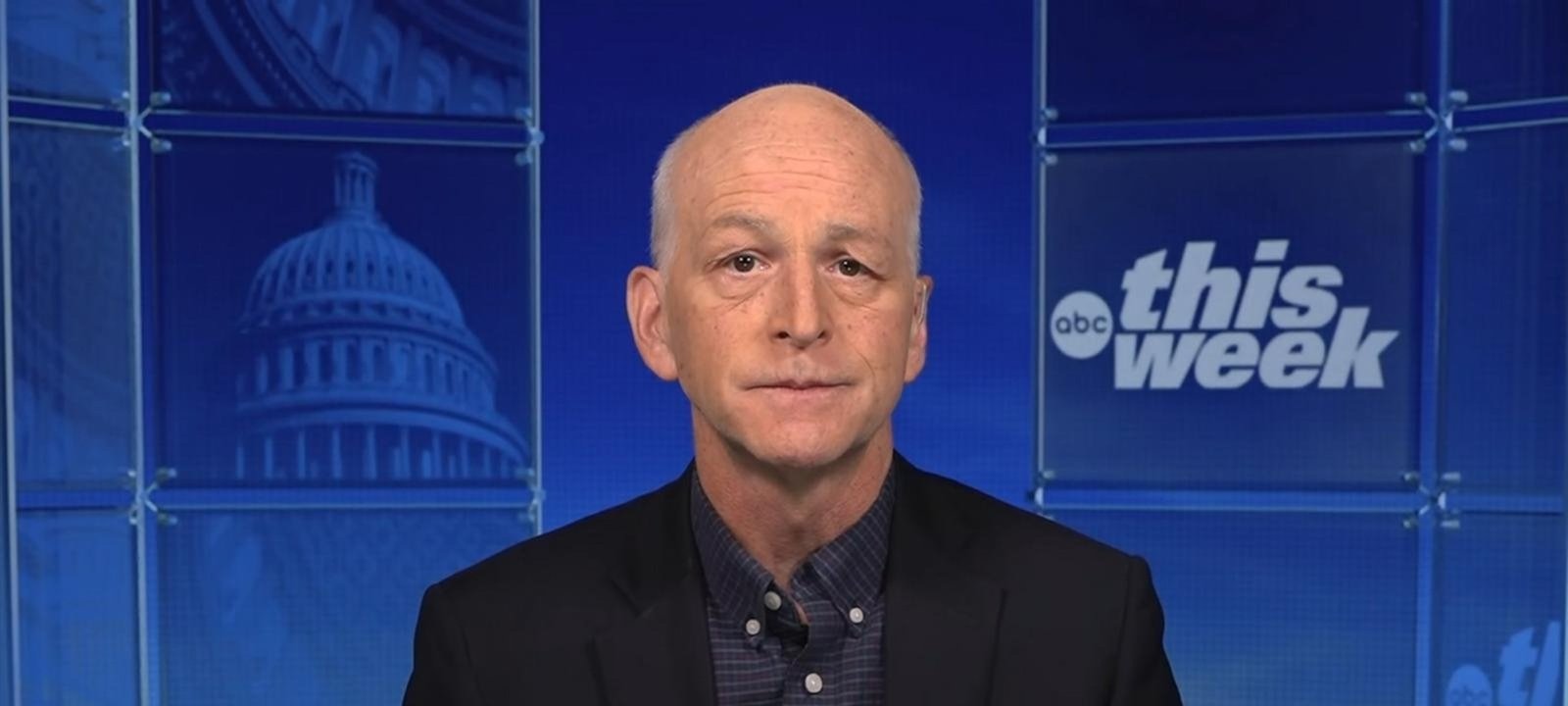
Imagem: Internet
Schmitt framed Democratic criticism as politically motivated and insisted the maritime campaign is necessary because tightened U.S. border controls have driven cartels to sea routes. For background on presidential war powers and Article II authority, readers can consult a Congressional Research Service overview (CRS Report).
The controversy over the Sept. 2 strike intersects with a separate flashpoint: former President Donald Trump’s recent pardon of Juan Orlando Hernández, the ex-Honduran leader serving a 45-year U.S. sentence for drug and weapons offenses. Asked whether he supported the pardon, Schmitt said he lacked detailed knowledge of the case and called attempts to link the clemency decision to the maritime strikes a distraction. Smith, however, suggested the move was tied to the administration’s broader strategy of exerting influence in Latin America during election cycles.
At issue in both debates is the scope of presidential power in counter-narcotics operations. Smith warned that defining anyone transporting drugs to the United States as a lawful military target would grant the commander in chief unprecedented reach, while Schmitt argued the strikes are “completely authorized” under existing statutes and the terrorist designation process.
For now, the classified recording remains in congressional vaults, and the Pentagon has set no timetable for a release. Until it becomes public, lawmakers and the administration will continue to spar over what the video shows—and what it may reveal about the legal and operational foundations of the United States’ expanded maritime campaign against drug trafficking.
Crédito da imagem: ABC News


