
Writer and life coach James Scott Henson, a former licensed professional counselor, has lived with anxiety since childhood and recently described seven specific lessons the condition has taught him. Henson’s account spans his early years in a small U.S. town during the 1980s, his professional career in mental-health services, and a resurgence of symptoms after contracting COVID-19 in 2020 and 2021. While emphasizing that he would gladly exchange every insight for lasting relief, he detailed how persistent anxiety has shaped his daily habits, boundaries, and decision-making process.
The onset of symptoms in the 1980s
Henson traces his earliest memory of intense worry to an unsupervised neighborhood football game. During one play, an older boy’s pants were accidentally pulled down, exposing him to the group. Although the incident ended with laughter, Henson feared the same scenario might happen to him. He began fastening his pants with string so tightly that it caused stomach pain and nausea. At the time, mental-health vocabulary was rarely used among children, and adults around him interpreted the behavior as simple queasiness rather than anxiety.
Symptoms intensify after COVID-19
The author reports that his anxiety became more pronounced over the past several years and appeared to escalate following two COVID-19 infections. He notes no medical confirmation linking the virus to heightened anxiety but states that the timing prompted him to address the condition more deliberately through mindfulness, routine adjustments, and lifestyle changes.
Lesson 1: Forced presence
During acute episodes, Henson says he is unable to read, watch movies, or enjoy video games. The inability to distract himself requires complete focus on immediate physical sensations such as rapid heartbeat or shallow breathing. While uncomfortable, this experience reinforces moment-to-moment awareness and highlights the distinction between bodily sensations and the thoughts that label them as anxiety.
Lesson 2: Recognizing limits of control
Repeated spikes have shown Henson that he cannot influence external factors he believes are causing distress—such as job security or global events—but he can manage his response. The realization directs his attention toward matters within his influence, a perspective commonly echoed in cognitive-behavioral approaches to anxiety management.
Lesson 3: Maintaining habits and boundaries
When anxiety is low, Henson tends to stay up late, skip exercise, and allow unhealthy relationships to occupy more space in his life. An increase in symptoms reminds him that lapses carry consequences, prompting him to resume balanced meals, regular physical activity, sufficient sleep, and stricter social boundaries.
Lesson 4: Committing to personal growth
Heightened anxiety encouraged Henson to leave clinical counseling and focus on life coaching, a role he finds less stressful and more suited to his strengths. The shift also included revising his diet and exercise routine to address elevated blood pressure. He characterizes these adjustments as benefits that persist whether or not anxiety is present.
Lesson 5: Practicing gentleness
Raised in an environment where direct communication was the norm, Henson often expresses concern bluntly. Feeling fragile during anxious periods has increased his empathy toward others who may be sensitive to forthright feedback, leading him to adopt a softer tone in personal and professional interactions.
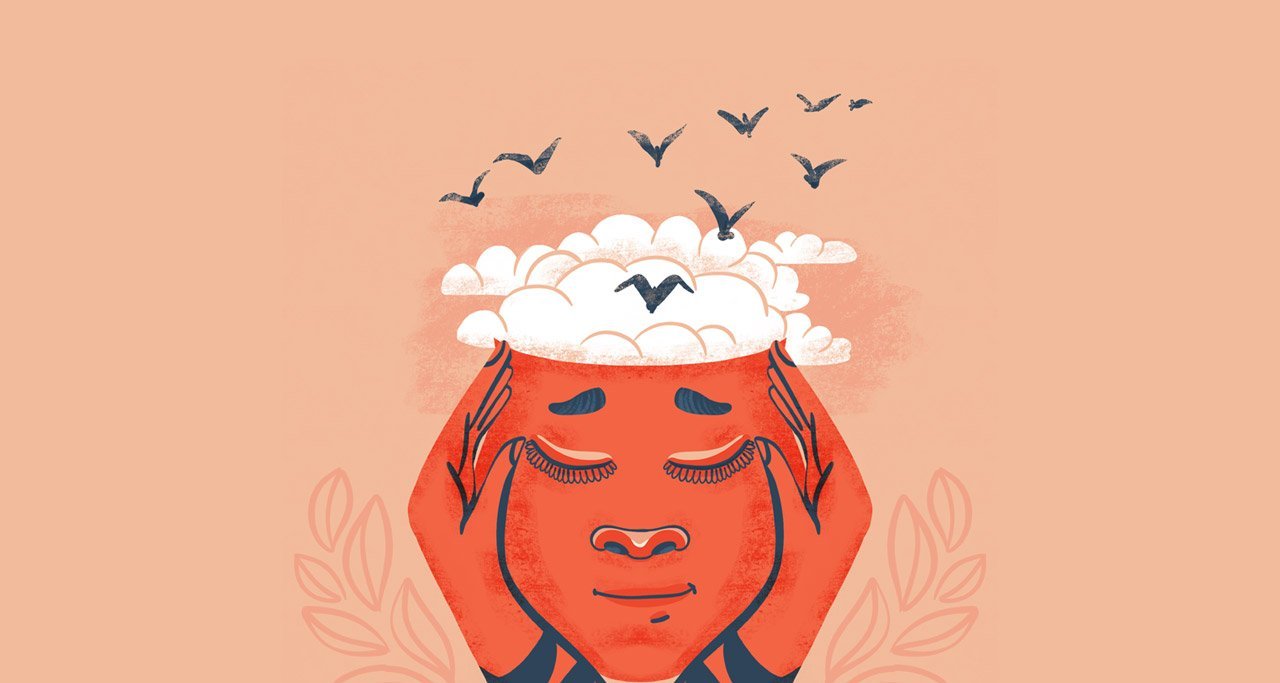
Imagem: Internet
Lesson 6: Slowing down and seeking help
An initial instinct to make rapid changes during anxious moments often resulted in unintended complications. Over time, Henson learned to delay major decisions until symptoms subside and to consult trusted contacts before acting. He now considers deliberate pacing and external input essential safeguards.
Lesson 7: Taking timely action
Although caution is useful for significant choices, Henson finds that completing everyday tasks quickly—such as returning calls, sending emails, mowing the lawn, or scheduling vehicle maintenance—reduces low-grade worry. Acting promptly on small obligations limits the buildup of avoidable stressors.
Professional background and outreach
Henson has spent more than two decades in social work, meditation instruction, and counseling. He currently offers life-coaching services and distributes regular essays via an online newsletter, where he discusses strategies for managing fear, building discipline, and pursuing personal goals.
Anxiety disorders affect an estimated 31.1 percent of U.S. adults at some point in their lives, according to the National Institute of Mental Health. While Henson’s experience is anecdotal, the lessons he reports align with widely recommended approaches that emphasize mindfulness, cognitive reframing, healthy routines, supportive relationships, and timely problem-solving.
The writer reiterates that none of these insights lessen the immediate discomfort of anxiety. Instead, they function as practical tools that can mitigate its impact or convert distress into constructive action. Even so, he views anxiety primarily as an unwelcome condition—one that continues to compel lifestyle vigilance and ongoing self-reflection.