
Dr. Daniel H. Shapiro, a keynote speaker and mentoring consultant, has built his career around helping people feel seen and valued. His professional focus, he says, grew out of a personal history marked by repeated feelings of exclusion that began in childhood and continued well into adulthood.
Shapiro reports that, when he looks back over the “thread” of his life, a single theme dominates: standing just outside the main circle of social acceptance. That sense of distance motivated him to excel in several arenas—athletics, music, and teaching—where public recognition is often a by-product of performance. He played sports with the goal of earning cheers from spectators, performed bass guitar hoping the energy would resonate with audiences, and pursued a teaching career designed to transform students’ lives. Although each activity aligned with his genuine interests, he later concluded that all three also served a deeper urge for connection.
The Philadelphia Incident
The most vivid example of Shapiro’s struggle occurred in the early 1990s while he was attending graduate school in Philadelphia. On a cold night, he accompanied a friend to a backyard party. After an hour of circulating unsuccessfully among small conversations, he silently walked to the edge of the host’s swimming pool and stepped into the deep end, fully clothed. His friend, embarrassed, drove him home in silence. The incident left Shapiro confused and ashamed for decades, even though no one was hurt and no property was damaged.
Only years later did he interpret the spontaneous plunge as an act of self-rejection he could control, chosen over the unpredictable possibility of being ignored by the group. He now frames the episode as an honest admission of emotional isolation rather than a reckless stunt.
The Science Behind Exclusion
Shapiro eventually found academic studies that put his experience in context. Anthropological research indicates that humans spent most of their evolutionary history in bands of a few dozen people, where social standing determined access to food and safety. Modern neuroscience supports this view, showing that the brain processes social exclusion through the same neural pathways used for physical pain. A 2011 National Institutes of Health review, for example, describes how the anterior cingulate cortex activates during both social rejection and bodily injury, underscoring the survival value of belonging.
These findings convinced Shapiro that his response at the pool was rooted in a universal, biologically driven need rather than a personal flaw. He now classifies the need to belong alongside hunger and thirst—essential drives shared by every individual.
A Key Lime Turning Point
The personal cost of feeling like an outsider resurfaced later in the decade during a New Year’s Eve gathering in his twenties. Intending to break the ice with humor, Shapiro arrived with a homemade Key Lime pie at a party where guests appeared more interested in style than dessert. One woman laughed at the incongruity, joined him at the kitchen table, and sampled the pie despite disliking the flavor. That conversation grew into a relationship, and the pair have been married for more than 25 years. Shapiro cites the moment as proof that authenticity, even when awkward, can attract the “right people.”
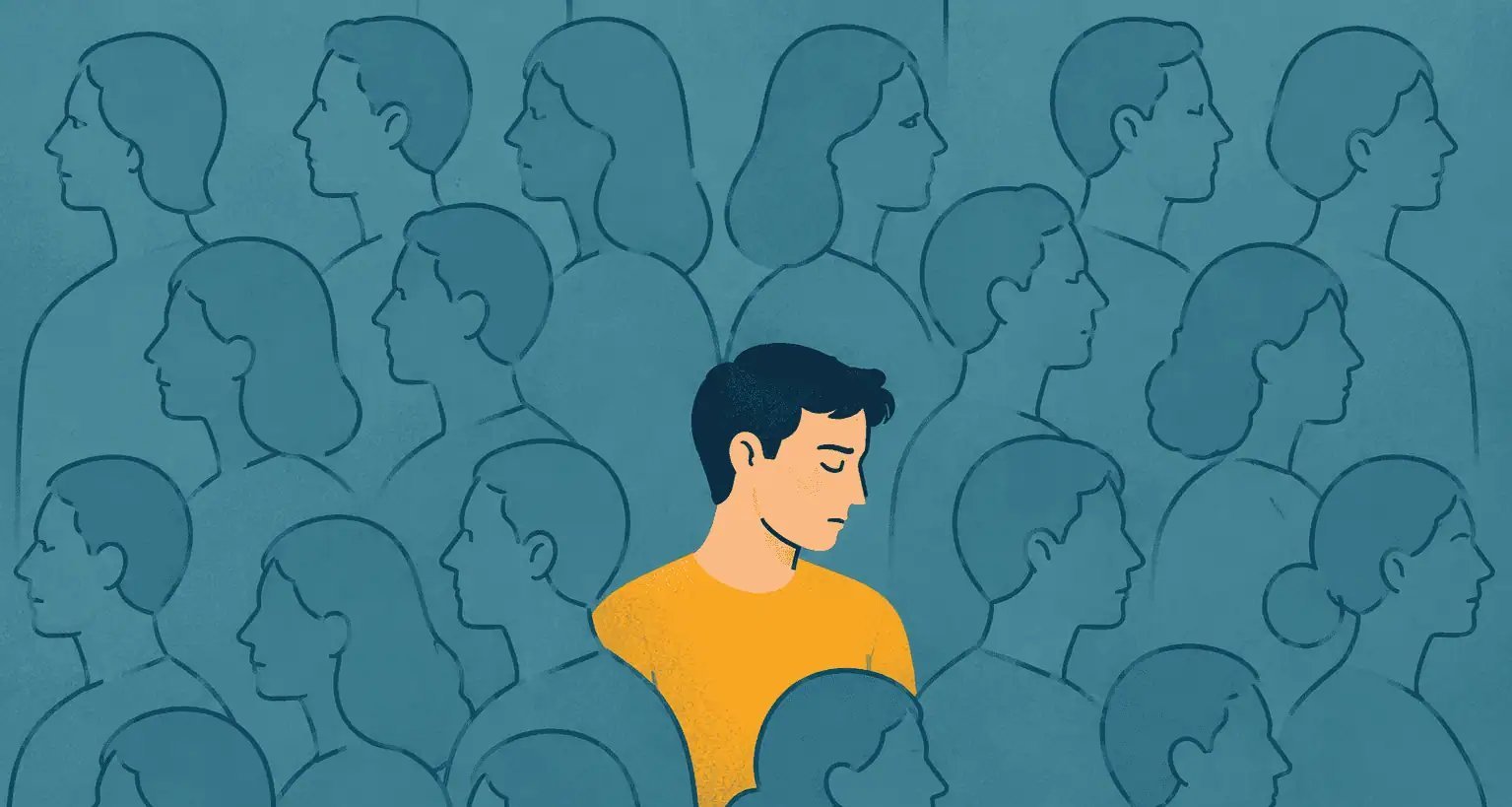
Imagem: Internet
Professional Implications
In the three decades since the Philadelphia incident, Shapiro has translated his private lessons into a public mission. His book, “The 5 Practices of the Caring Mentor,” outlines methods for fostering genuine connection in workplaces and classrooms. Through keynote addresses and mentoring programs, he encourages leaders to identify individuals who appear isolated—those who laugh too loudly at mild jokes or retreat into their phones—and to offer deliberate inclusion.
Shapiro asserts that his ongoing sensitivity to social pain enables him to spot similar distress in others. While the personal ache never vanishes completely, he regards it as a manageable weight that keeps him “honest about what it means to be human.” The discomfort, he says, now functions as a tool for empathy rather than a source of shame.
Key Observations
- Feelings of exclusion often motivate high performance, but external recognition rarely resolves the underlying need for acceptance.
- Acts that appear irrational—such as stepping into a pool fully dressed—can stem from an ancient survival mechanism aimed at avoiding unpredictable rejection.
- Scientific research links social pain to physical pain pathways, reinforcing the idea that belonging is a basic human necessity.
- Offering sincere self-expression, even when unconventional, increases the likelihood of forming authentic relationships.
- Individuals who have experienced prolonged isolation may be particularly effective at creating inclusive environments for others.
Present Day Outlook
Shapiro no longer expects the feeling of being different to disappear entirely. Instead, he focuses on managing it constructively and teaching others to do the same. In social or professional settings, he routinely seeks out participants standing alone and initiates conversation, aiming to prevent the kind of silent distress he once felt.
He also advises that external assurances—statements such as “you are seen” or “you are valued”—can fall short if the recipient is emotionally guarded or if the surrounding community lacks genuine interest. Therefore, he recommends pairing verbal support with consistent, observable actions that demonstrate inclusion.
Conclusion
Through decades of personal reflection and professional application, Dr. Daniel H. Shapiro has reframed a lifetime of feeling different into a practical framework for connection. His experiences—from a spontaneous plunge into a Philadelphia pool to a Key Lime pie that led to marriage—illustrate how vulnerability, when acknowledged and directed, can evolve into a resource for helping others belong.