Wastewater surveillance, increasingly used to track viral spread without relying solely on clinical testing, measures fragments of a pathogen’s RNA shed in human waste. Health officials said the latest readings suggest rising case counts even though many infected people do not seek medical care or laboratory confirmation.
National trend shows similar movement
The local increase mirrors national data compiled by the Centers for Disease Control and Prevention (CDC). In mid-November, 12.9% of U.S. clinical tests for suspected norovirus returned positive, nearly double the 7% positivity rate recorded roughly three months earlier. More recent figures indicate a modest decline, with 9.37% of tests positive for the week ending Dec. 6, but the percentage remains elevated compared with late summer.
Norovirus is the leading cause of viral gastroenteritis in the United States and accounts for an estimated 58% of all foodborne illnesses each year. The CDC attributes approximately 25,000 outbreaks annually to the virus, frequently implicating restaurants, catered events or other settings where food is prepared for large groups.
Symptoms and typical course of illness
Common symptoms include nausea, sudden onset vomiting, stomach cramps and non-bloody diarrhea. Some patients also report fever, headache or muscle aches. The incubation period ranges from 12 to 48 hours, and illness generally lasts one to three days in otherwise healthy adults. Severe dehydration can occur, particularly among young children, older adults and individuals with underlying medical conditions, but most infections resolve without hospitalization.
Prevention recommendations
Because the virus spreads through direct contact, contaminated surfaces and tainted food, public health officials emphasize rigorous hand hygiene. The Los Angeles County Department of Public Health advises washing hands with warm water and soap for at least 20 seconds, especially after using the restroom, changing diapers, or before preparing and consuming food. Alcohol-based hand sanitizers are less effective against norovirus and should not replace thorough handwashing.
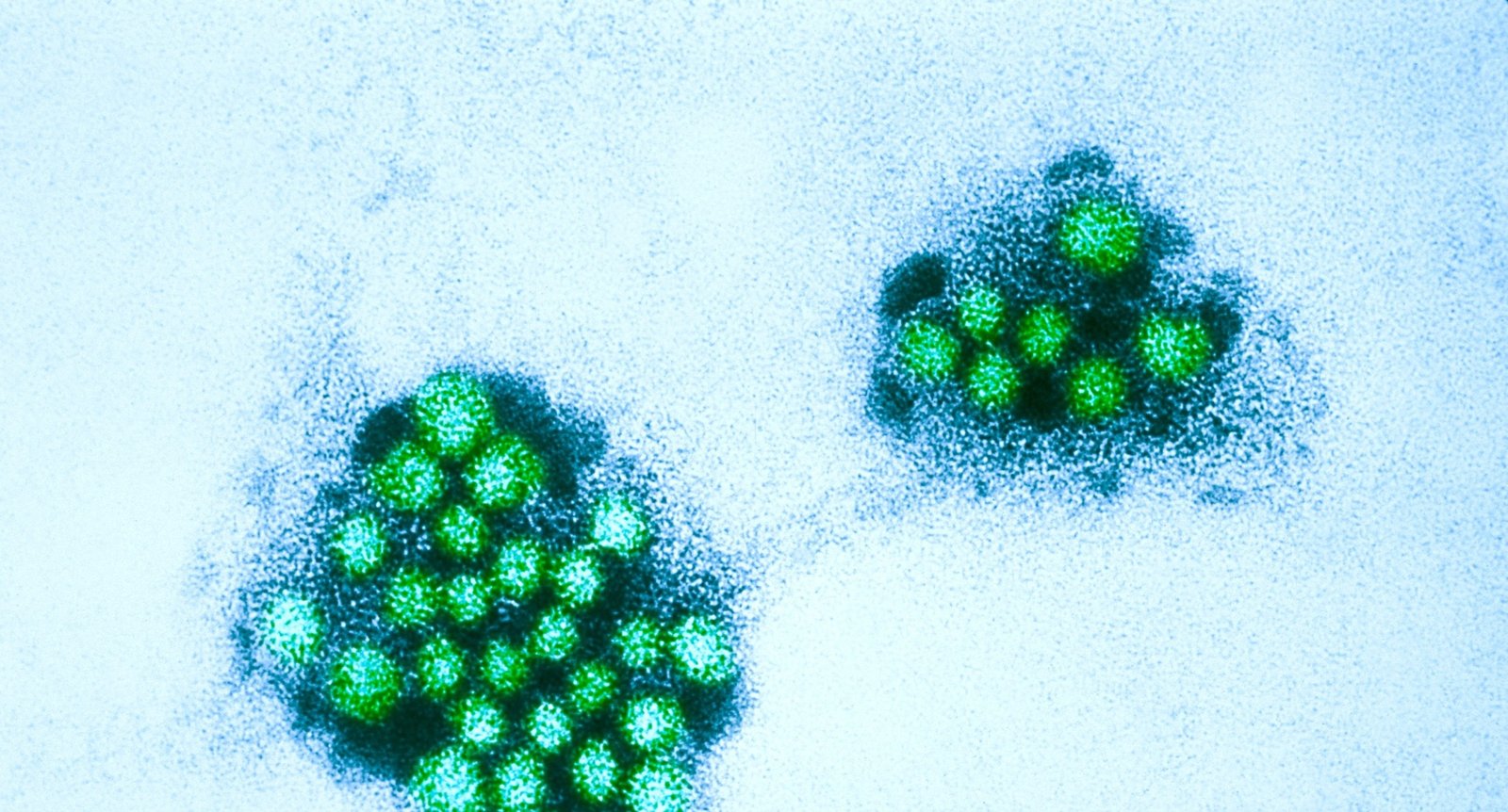
Imagem: Internet
Food safety practices are also critical. The county guidance recommends rinsing fruits and vegetables under running water and cooking shellfish completely, noting that freezing does not destroy the virus. Individuals who have been ill are urged to refrain from handling or preparing food for others until at least 72 hours after symptoms stop to minimize the risk of onward transmission.
How wastewater data are collected
To develop the latest report, environmental health teams collected composite samples from sewer networks and wastewater treatment facilities across Los Angeles County. Laboratories then quantified the amount of norovirus RNA using molecular techniques such as polymerase chain reaction (PCR). Repeated sampling at the same sites allows officials to monitor week-to-week fluctuations and identify potential hotspots of community spread.
Although wastewater monitoring cannot determine the exact number of infected individuals, it provides a broad snapshot of viral activity independent of clinical testing rates. This approach has become a key surveillance tool since the early stages of the COVID-19 pandemic, offering public health agencies an additional metric to guide prevention messaging and resource allocation.
Seasonal outlook and public advice
Health authorities expect norovirus activity to remain elevated through the winter months. Residents experiencing symptoms are encouraged to stay home, drink plenty of fluids to avoid dehydration and consult a healthcare provider if severe or prolonged symptoms develop. Surfaces contaminated by vomit or feces should be cleaned promptly with a bleach-based disinfectant, as the virus can persist on objects and withstand many common cleaning products.
The Los Angeles County Department of Public Health said it will continue to track wastewater signals and clinical test results to assess the trajectory of the current increase.
Crédito da imagem: BSIP/UIG via Getty Images


