She added that the project is part of a broader package of investments that also includes the installation of 100 additional security cameras. Many of the new devices will focus on exterior areas such as the Cour Carrée and the Carrousel entrance, places investigators say were left unmonitored during the 19 October jewel theft from the Apollo Gallery. At the time of that robbery, only one perimeter camera was directed toward the gallery’s façade, and its angle did not capture the break-in.
Technology upgrades and new personnel
Other measures described by the director include:
- Deployment of anti-intrusion systems, such as motion detectors and reinforced window sensors.
- Creation of a dedicated security coordinator post to ensure continuous oversight of protective protocols.
- Reopening of two galleries currently closed to the public after completion of targeted security enhancements.
Des Cars told lawmakers that several of these actions would be implemented “in the coming days.” They will complement 134 digital cameras already installed between 2022 and 2025 under the €880 million (about $933 million) “Louvre New Renaissance” modernization program. She said the timing of the jewel robbery, occurring while upgrades were underway, represented “an appalling irony.”
Details of the October robbery
According to French investigators, two thieves used a truck-mounted cherry picker to reach a high window of the Apollo Gallery. Once inside, they employed power tools to remove eight pieces from the French crown jewel collection, escaping in just seven minutes. Footage later obtained by police shows the suspects leaving the museum perched on the same mechanical platform.
Four people have been arrested in connection with the theft. Prosecutors have not ruled out additional detentions but say there is no current evidence implicating museum employees. The stolen artifacts remain missing.
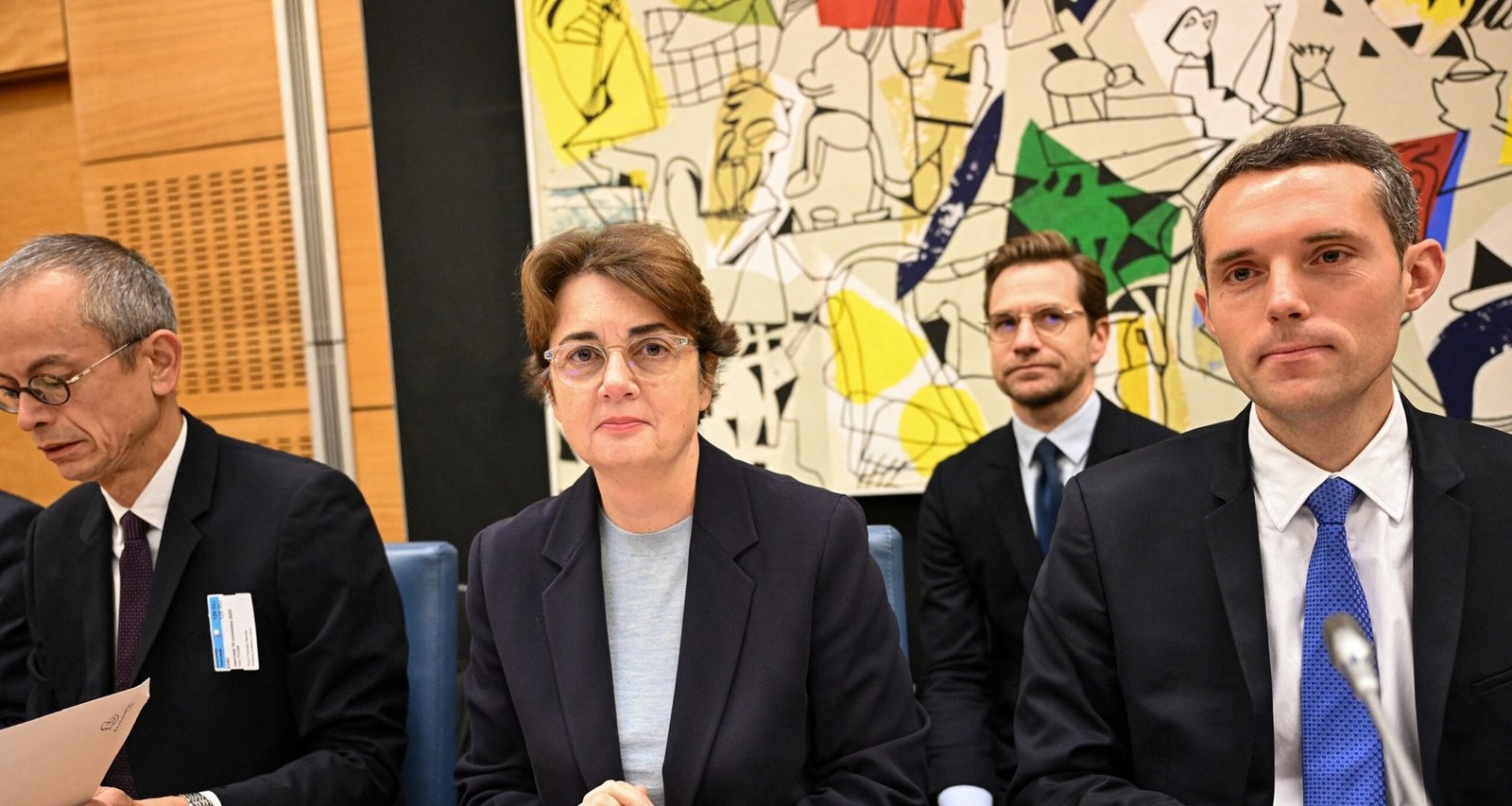
Imagem: Internet
Additional vulnerabilities exposed
The hearing also addressed separate security lapses that came to light after the robbery. Earlier this month, a museum staff member disclosed that the password for the video surveillance network had been set to the single word “Louvre.” In another development, the institution temporarily closed a public gallery and several offices after engineers warned of structural fragility unrelated to the theft.
The breach involving the Belgian influencers occurred on 14 November. The pair entered a gallery adjacent to the Mona Lisa and hung a framed photo of themselves without detection. Des Cars said such stunts are not new; environmental activists threw soup at artworks two years ago, and similar incidents have been reported in museums worldwide. A recent Interpol briefing on cultural property crime notes that major institutions face growing challenges from both organized criminals and attention-seeking individuals.
“A genuine security culture”
During her testimony, the director emphasized that strengthening physical barriers alone will not suffice. “I want to instill a genuine security culture,” she said, indicating that staff training and tighter digital safeguards are integral to the plan.
Committee members pressed for a timeline, but des Cars did not specify completion dates for the police station or the remaining upgrades. She confirmed, however, that funding has been allocated and that installation of the first batch of new cameras would start before the end of the year.
With the Louvre remaining the world’s most visited museum, lawmakers signaled that they will monitor the institution’s progress closely. Meanwhile, investigators continue to search for the missing jewels, valued at $102 million, and to determine whether additional security gaps played a role in the unprecedented heist.
Crédito da imagem: Bertrand Guay/AFP via Getty Images


