Pricing also weighs on volumes. The Air starts just above $70,000 and can exceed $250,000, while the Gravity typically tops $100,000 once buyers add popular options. By contrast, Tesla’s Model Y crossover—currently the world’s top-selling vehicle—starts near $37,000. The national average transaction price for all EVs was about $59,000 in November 2025.
The broader electric market has softened as well. Federal purchase incentives worth $7,500 expired on 30 September, and funding for charging infrastructure has been scaled back. According to the International Energy Agency, slower policy support has contributed to lower sales growth rates across most automakers, prompting several to delay or reduce EV investment.
Financial Pressure
Lucid’s third-quarter results highlight the strain of its expansion strategy. The company posted a net loss close to $1 billion and reported that gross profit margins deteriorated. Analysts warn that continuing at this pace could force Lucid to seek additional capital. The Saudi Public Investment Fund already owns roughly 55 percent of the firm and, in the third quarter, enlarged a delayed-draw term loan facility from $750 million to approximately $2 billion, lifting total liquidity to $5.5 billion. Management believes the funds cover operations until at least mid-2027.
Future Models and Technology Investments
Beyond the Gravity, engineers are developing a midsize crossover aimed at the $50,000 price bracket, where volumes are higher but margins narrower. Executives argue the company’s drivetrain efficiency—claimed to be 30 to 40 percent better than competitors—will help offset lower pricing by reducing battery costs and enhancing operating leverage at greater scale.
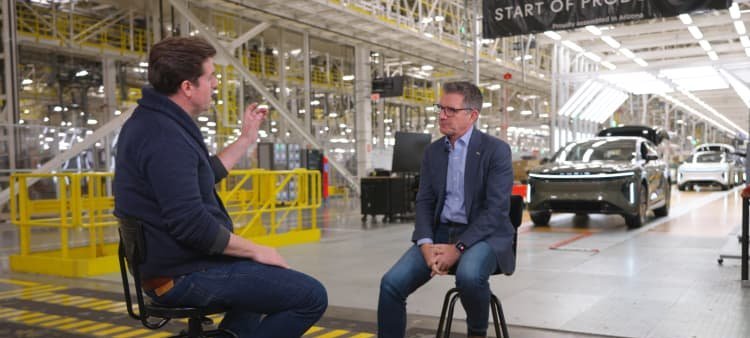
Imagem: Internet
Lucid is simultaneously pouring resources into autonomous driving. A partnership with Uber and self-driving firm Nuro includes a $300 million investment to design a robotaxi platform and an order for 20,000 Gravity vehicles for that fleet. Separately, Lucid is collaborating with Nvidia on a Level 4 consumer vehicle capable of “eyes-off, hands-off” operation. Management maintains that parallel development of advanced software, in-house powertrain manufacturing and proprietary assembly methods will protect long-term margins.
Brand Visibility and Marketing Shift
While engineers tout technical advantages, brand recognition remains a hurdle. Industry analysts note that many potential buyers are unfamiliar with Lucid, especially against legacy luxury marques such as Mercedes-Benz, BMW and Porsche. To raise its profile, the company enlisted actor Timothée Chalamet as its first global ambassador and is pivoting marketing from product specifications to lifestyle messaging intended to emphasize ownership prestige.
Outlook
Lucid intends to keep increasing Gravity output throughout 2026 while finalizing its midsize crossover. Management says reaching profitable scale depends on delivering both vehicles concurrently. Investors, led by Saudi Arabia’s sovereign fund, have so far exhibited patience. Whether that forbearance endures will hinge on Lucid’s ability to turn admired engineering into sustained sales and, ultimately, positive cash flow.
Crédito da imagem: Jason Henry | Bloomberg | Getty Images


