Demand indicators disappoint
Investors focused on user and ride volumes, both of which lagged Wall Street expectations. The company finished the quarter with 29.2 million active riders, below the 29.5 million figure estimated by data provider StreetAccount. Total rides reached 243.5 million, falling short of the 256.6 million projection compiled by FactSet.
Despite the muted rider growth, Lyft reported $5.07 billion in gross bookings, up 19% year over year and roughly in line with analyst models. Management attributed the gap between rider counts and booking growth to higher trip frequency among existing users and modest price adjustments.
Legislative change lowers prices but may delay revenue lift
The company pointed to recently enacted legislation in California that reduced rideshare insurance costs as a factor behind lower consumer prices on the platform. While executives expect the rate cuts to stimulate demand, Lyft cautioned that “broad-based consumer adoption will take time to materialize” and that any volume uptick is now expected to be concentrated in the second half of 2024.
Industry observers have long highlighted insurance expenses as a structural challenge for ridesharing firms. According to a U.S. Securities and Exchange Commission filing last year, Lyft spends a significant portion of each fare on auto and liability coverage, making legislative relief a potential catalyst for margin expansion.
Share repurchase authorization expanded
Alongside the earnings release, Lyft’s board approved a new $1 billion share repurchase program. The authorization adds to previous buyback capacity and underscores management’s view that the current share price undervalues the business. The company did not outline a specific timeline for executing the purchases, noting that repurchases will depend on market conditions and other priorities such as capital expenditures and potential acquisitions.
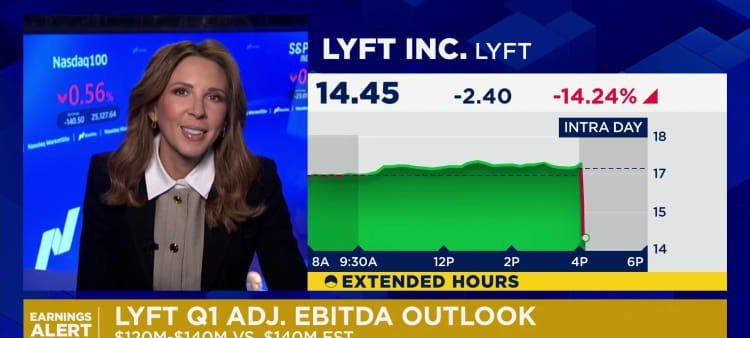
Imagem: Internet
Market reaction
Shares closed the regular session higher but reversed sharply after the report became public, sliding approximately 15% in post-market trading. The drop erased earlier gains and highlighted investor concern about the pace of rider growth and the company’s ability to meet profitability targets in a competitive rideshare landscape.
Lyft competes primarily with Uber Technologies Inc., which benefits from a larger global footprint and a diversified portfolio that includes food delivery and freight services. Lyft remains focused on North America and has sought to differentiate itself through cost discipline and product innovations, such as a dedicated driver rewards program and in-app safety features.
Guidance and near-term priorities
Management reiterated its commitment to reaching sustained free-cash-flow positivity. Initiatives include optimizing insurance spend, refining dynamic pricing algorithms, and expanding partnerships with corporate travel programs. The company also signaled that future growth could stem from additional services and features that leverage its existing driver network, though specifics were not disclosed in the earnings statement.
For the upcoming quarter, Lyft indicated that macroeconomic conditions remain largely stable but emphasized uncertainty related to fuel prices, labor market trends, and regulatory developments across multiple U.S. states. Executives plan to provide another update on ridership trends and profitability initiatives during the company’s next scheduled earnings call.
Crédito da imagem: CNBC


