Unilever first disclosed plans for the spin-off in March 2024 as part of a wider restructuring intended to streamline its product portfolio and sharpen its emphasis on personal-care brands. The ice-cream unit, which generated €7.9 billion in revenue last year through labels such as Magnum, Ben & Jerry’s and Cornetto, has since operated as a separate business unit, a transition completed in July 2025.
Analysts believe independence will allow management to prioritize cost controls, capital expenditure and product innovation tailored specifically to frozen desserts. “They haven’t had the bandwidth to accommodate Magnum while accelerating their personal-care strategy,” said RBC analyst James Edwardes Jones in a televised interview. He added that a dedicated leadership team should be able to concentrate fully on the category’s competitive dynamics and supply-chain requirements.
Magnum’s medium-term plan aims for annual revenue growth of 3 % to 5 % from 2026. Edwardes Jones described the lower end of that range as achievable but called the upper bound “very ambitious,” citing a business model that must contend with seasonal demand patterns, commodity-price swings and shifting consumer preferences.
Those headwinds are already visible. Demand for indulgent snacks faces pressure from health-conscious shoppers and the swift adoption of new weight-loss medications developed by pharmaceutical groups such as Novo Nordisk and Eli Lilly. Investment director Russ Mould of AJ Bell estimated that these factors could trim roughly 0.5 percentage point from Magnum’s annual revenue, requiring the company to consider alternative portion sizes or lower-calorie formulations. Industry observers note that consumer awareness campaigns, including guidance from the World Health Organization on balanced diets, have accelerated the pivot toward healthier eating patterns.
Commodity costs represent another risk. Ice-cream manufacturing relies heavily on dairy, sugar and cocoa, all of which have seen volatile price movements in recent years. Capital intensity is also significant: production lines, cold-chain logistics and freezer capacity demand continuous investment, even as rising energy prices inflate operating expenses.
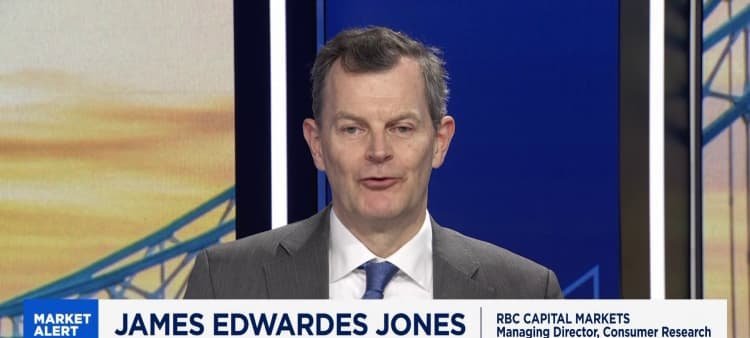
Imagem: Internet
Alongside financial challenges, Magnum inherits a high-profile governance dispute linked to one of its key brands. Founders Ben Cohen and Jerry Greenfield, who sold Ben & Jerry’s to Unilever in 2000, argue that the brand’s social mission has been diluted under corporate ownership. In September, they launched a “Free Ben & Jerry’s” campaign calling for the label to become an “independently owned company with socially aligned investors.” On Monday, Cohen said Magnum’s attempts to dismiss the initiative show management “misunderstands this brand and its supporters.”
Ter Kulve, speaking with the Financial Times, urged the founders to “hand over to a new generation.” Cohen countered that the company is trying to silence the brand’s activism. The standoff adds a reputational dimension to Magnum’s corporate debut, forcing the new entity to balance commercial goals with a vocally progressive subsidiary.
Despite those uncertainties, investors are watching whether focused leadership and a simplified structure can unlock value that Unilever could not capture under its broader umbrella. Magnum now controls a portfolio of premium and mainstream products sold in more than 50 countries, giving it a leading market share in several regions and a significant presence in emerging economies where discretionary spending on frozen treats is still rising.
Management has yet to detail its immediate capital-allocation plans, though analysts expect initial priorities to include modernizing production facilities, expanding freezer networks in high-growth markets and accelerating research into lower-sugar and plant-based options. Successful execution will be crucial to meeting the growth targets outlined ahead of the listing.
For Unilever, the divestment reduces complexity and allows the parent company to sharpen its focus on faster-growing beauty and personal-care segments. For Magnum, day one on the public market marks the start of an effort to demonstrate that a single-category specialist can thrive amid evolving consumer tastes and heightened scrutiny over corporate purpose.
Crédito da imagem: Bloomberg


