Run for Something reports that over the past eight years it has helped thousands of millennials and Gen Z hopefuls secure local offices, and more than 30 alumni are slated to run for state or federal seats in 2026. Litman contends that voters, frustrated with perceived gridlock, are demonstrating increased openness to less experienced but younger aspirants.
Digital fluency as a campaign tool
Younger politicians have leaned heavily on social media and community-based outreach that older rivals often struggle to duplicate, Smoker noted. Early in his campaign, Mamdani posted a video in which he spoke informally with New Yorkers who had supported former President Donald Trump, seeking to understand their concerns. The clip boosted his visibility among first-time voters and underscored his focus on affordability, while subsequent neighborhood visits reinforced a grass-roots image.
Smoker attributes much of this success to a nuanced understanding of online culture: younger candidates know which digital approaches feel authentic and which risk alienating audiences as “cringe.” That sensitivity, she argued, has allowed politicians in their twenties and early thirties to translate online engagement into real-world support.
Broadening appeal beyond party lines
The appeal of youthful leadership is not confined to Democrats. Jonathan Hanson, a political scientist at the University of Michigan, observed that older lawmakers in both parties increasingly face primary challenges from younger opponents. High polarization and widespread dissatisfaction with Washington, he said, have softened resistance among older voters who might once have dismissed less seasoned contenders.
On the Republican side, organizations aligned with the Make America Great Again movement have cultivated a base of younger men, often through large rallies hosted by Turning Point USA. Whereas progressive candidates frequently position themselves as disruptors of the establishment, millennial and Gen Z Republicans have tended to seek validation from former President Trump and his allies. Hanson noted that this strategy can boost name recognition even when it does not immediately result in elected office—citing Karoline Leavitt, who parlayed an unsuccessful 2022 congressional bid into the post of White House press secretary while still under 30.
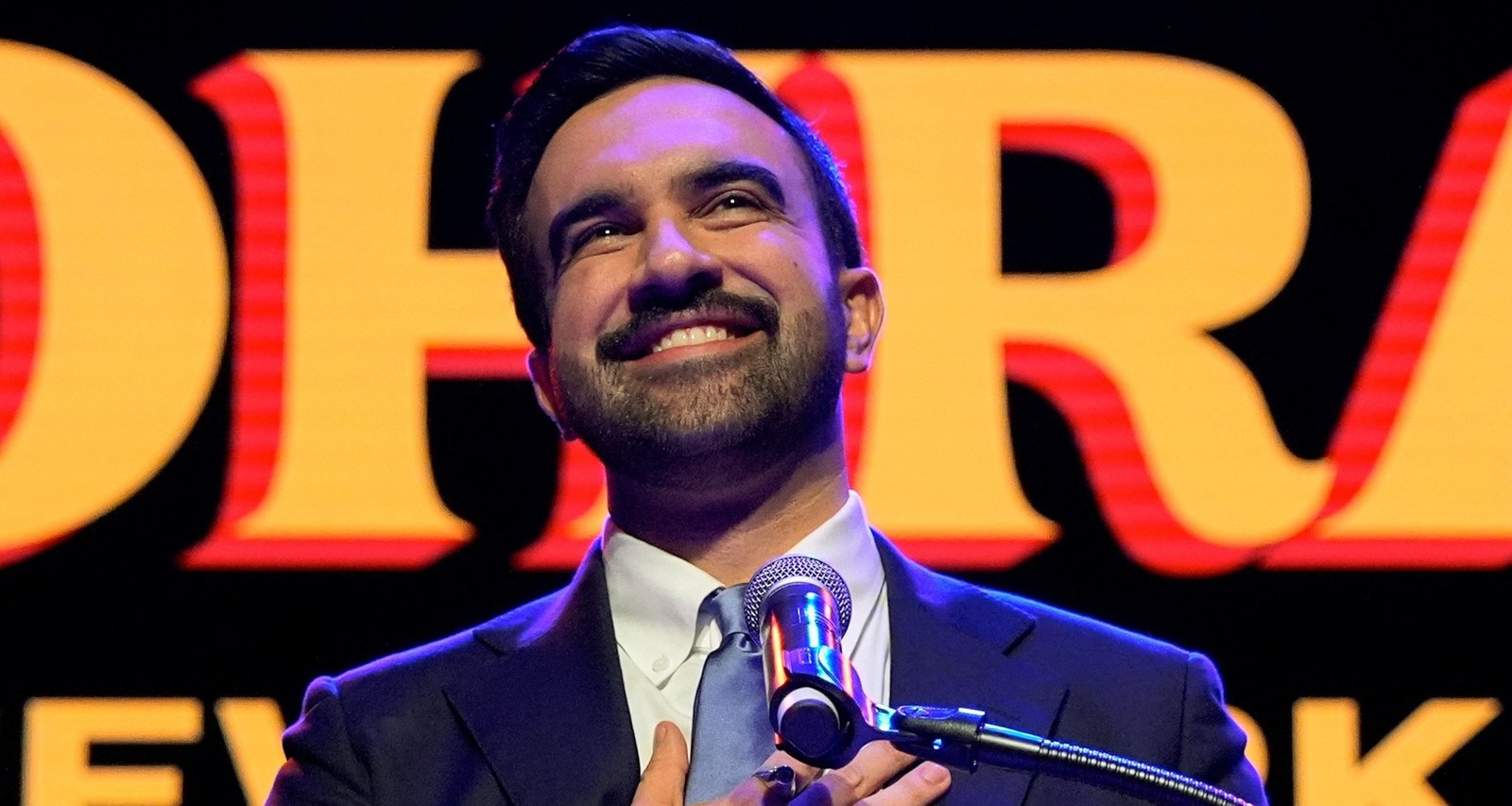
Imagem: Internet
Generational mismatch in Congress
Current officeholders remain significantly older than the general population. According to Pew Research Center, the median age in the U.S. House of Representatives is 57.5, while the Senate’s median age is 64.7. The U.S. Census Bureau lists the nation’s median age at 39.1, highlighting a sizable gap between legislators and constituents. Hanson expects that gap to narrow gradually, as high turnover—especially among members of the minority party—creates opportunities for younger figures to advance. He cautioned, however, that widespread retirements are less likely for Republicans in 2026 because they currently hold fewer seats than Democrats.
Looking ahead to 2026 and beyond
With early signs of enthusiasm surfacing across the political spectrum, consultants anticipate a larger field of candidates under 40 in upcoming local, state and federal races. They also predict campaign strategies will continue to blend digital outreach with on-the-ground interaction, mirroring tactics used by Mamdani and other recent victors.
Whether emerging leaders can translate online followings into electoral success remains an open question, but party officials are already adjusting recruitment efforts. Smoker summarized the prevailing sentiment among strategists: younger Americans are no longer content with advocacy alone; they intend to occupy elected positions and reshape policy debates from within governing bodies.
For now, Mamdani’s win stands as tangible evidence that voters are increasingly prepared to hand the reins to a new generation—and that ambitious millennials and Gen Zers nationwide are taking note.
Crédito da imagem: Yuki Iwamura/AP


