Newcomers Tip the Scale
New York City residents who arrived within the past 10 years voted for Mamdani at an 81 percent clip, according to the same exit poll. Long-term but non-native residents—those who were born elsewhere yet have lived in the city more than a decade—also leaned toward the mayor-elect, giving him 55 percent support. Native New Yorkers, however, narrowly preferred Cuomo, 49 percent to 38 percent.
Among first-time mayoral voters, Mamdani secured 66 percent, compared with 47 percent among individuals who had previously cast ballots in a mayoral race. Observers say that influx of new voters broadened the electorate and counterbalanced Cuomo’s advantage with lifelong city residents.
Issue Focus Centers on Affordability
The incoming mayor’s policy platform prominently featured cost-of-living proposals. Plans include a rent freeze for the city’s roughly one million rent-stabilized apartments, universal child-care access and fare-free bus service. Advocates for younger residents contend that these pledges resonated with people confronting rising housing costs and child-care expenses. A recent Pew Research Center analysis underscores the national scope of such economic pressures, noting that adults under 40 cite housing affordability as a top concern.
Cuomo Leans on Name Recognition
Cuomo, 67, mounted a return bid four years after resigning as governor amid allegations of sexual harassment, accusations he has denied. His campaign emphasized moderation and extensive government experience. Those arguments found an audience among older voters familiar with the Cuomo political dynasty, which dates back to the gubernatorial tenure of his father, Mario Cuomo, in the 1980s and 1990s.
Cuomo’s spokesperson, Rich Azzopardi, highlighted the tight overall contest, pointing out that nearly half of ballots cast went to candidates other than the Democratic nominee. Running on an independent line, Cuomo accumulated 42 percent of the vote citywide, a figure his team labeled a substantial base in a predominantly Democratic municipality.
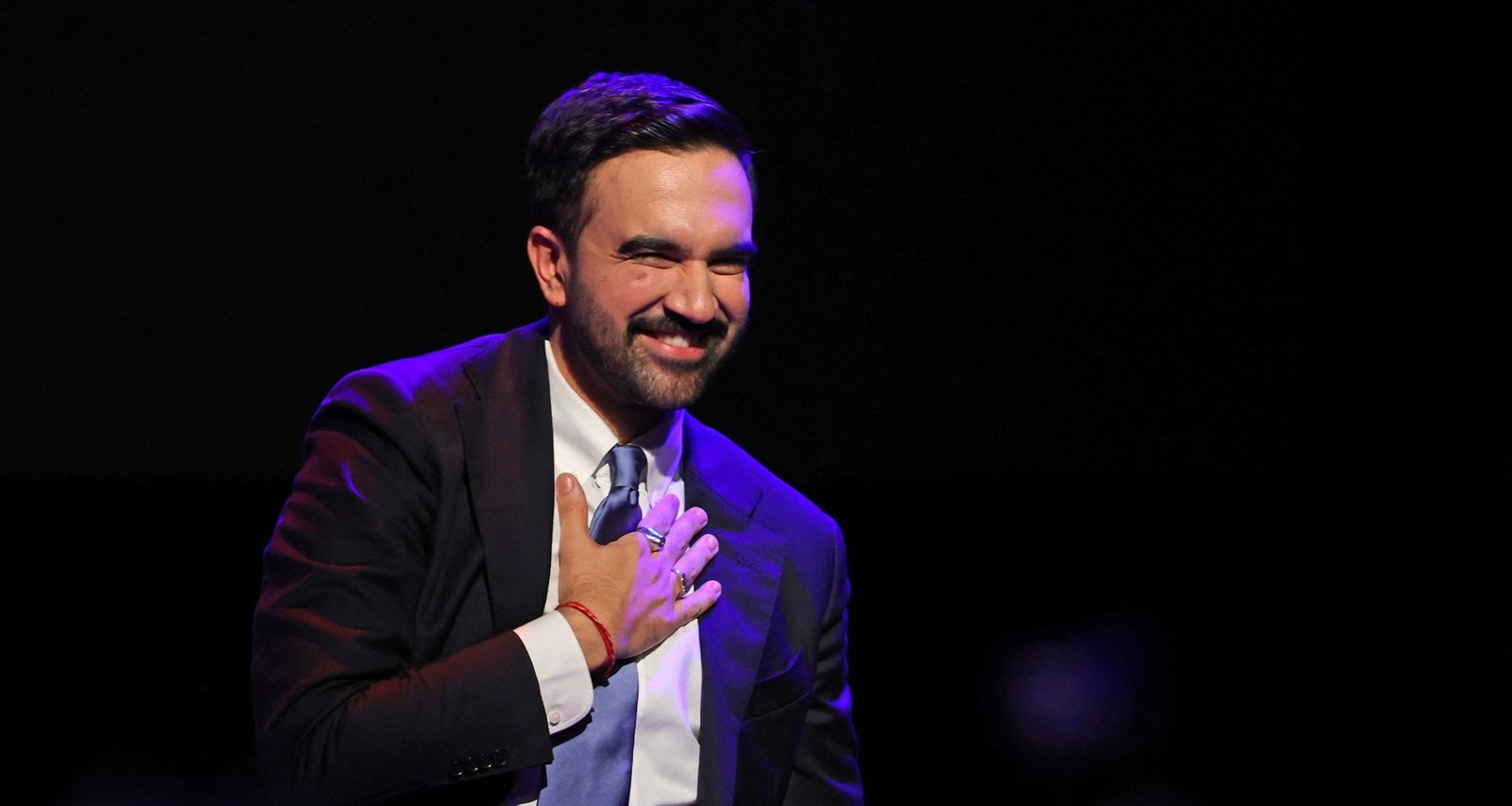
Imagem: Internet
Turnout Driven by Engagement
Campaign strategists credit Mamdani’s citywide visibility for elevating turnout among groups that historically vote at lower rates in municipal elections. The candidate’s presence at community centers, religious institutions and nightlife venues aimed to normalize political discussion across social settings. Experts draw parallels with past national campaigns that transformed supporters into a volunteer network focused on voter registration and relational organizing.
Next Steps and Expectations
As the mayor-elect prepares to take office on Jan. 1, attention shifts to whether promised initiatives can gain traction in the City Council and within state government. Policy specialists warn that proposals such as system-wide free bus service will require sustained funding mechanisms, while a rent freeze could face legal challenges from property owners. Even so, analysts believe the new administration has earned political capital among younger and newer residents, who may be inclined to grant the incoming mayor time to pursue his agenda.
Conversely, Cuomo’s stronger performance with native and long-tenured New Yorkers suggests that the electorate remains ideologically diverse. Observers say forging consensus across generational and tenure lines will be an early test of Mamdani’s ability to convert campaign rhetoric into governing coalitions.
With certification of results expected later this month, city officials are finalizing transition logistics. Meanwhile, community organizations and policy think tanks are preparing position papers detailing how the new mayor can address affordability, public transit reliability and economic recovery.
Crédito da imagem: Getty Images