Judge Dugan was arrested on April 30 and charged in a two-count federal indictment with obstruction of DHS removal proceedings and knowingly concealing a removable non-citizen. She pleaded not guilty at her initial appearance and remains free on bond. A trial is scheduled to begin on Dec. 15 in the U.S. District Court for the Eastern District of Wisconsin.
Following her arrest, the Wisconsin Supreme Court issued an interim order suspending Dugan from the bench “in the public interest,” pending resolution of the criminal case. Court administrators reported that other circuit judges have handled her docket since early May.
Flores-Ruiz was located several weeks after the courthouse incident and charged in federal court with unlawful re-entry. He pleaded guilty in October and, earlier this month, was sentenced to time served by U.S. District Judge Brett Ludwig. Court records show he had spent nearly six months in federal custody by the time the sentence was imposed.
In announcing Thursday’s deportation, DHS stated that Flores-Ruiz had entered the United States illegally on at least two occasions and described his prior convictions as including strangulation and suffocation, battery and domestic abuse. “Judge Hannah Dugan’s actions to obstruct this violent criminal’s arrest take ‘activist judge’ to a whole new meaning,” said DHS Assistant Secretary Tricia McLaughlin in a written statement released Friday.
Authorities have not detailed the precise location or method of Thursday’s removal, citing agency policy. The deportation concludes Flores-Ruiz’s most recent immigration case but does not affect the pending prosecution of Judge Dugan, who faces up to five years in prison on each count if convicted.
Federal obstruction charges against sitting judges are uncommon, and legal experts note that the case will likely focus on Dugan’s direct communications with ICE agents and courtroom staff. Prosecutors contend the judge acted “knowingly and intentionally” to frustrate an ongoing enforcement action; defense attorneys have not publicly outlined their strategy but have previously sought dismissal of the indictment. That effort was denied in October by U.S. District Judge William Griesbach, clearing the way for trial.
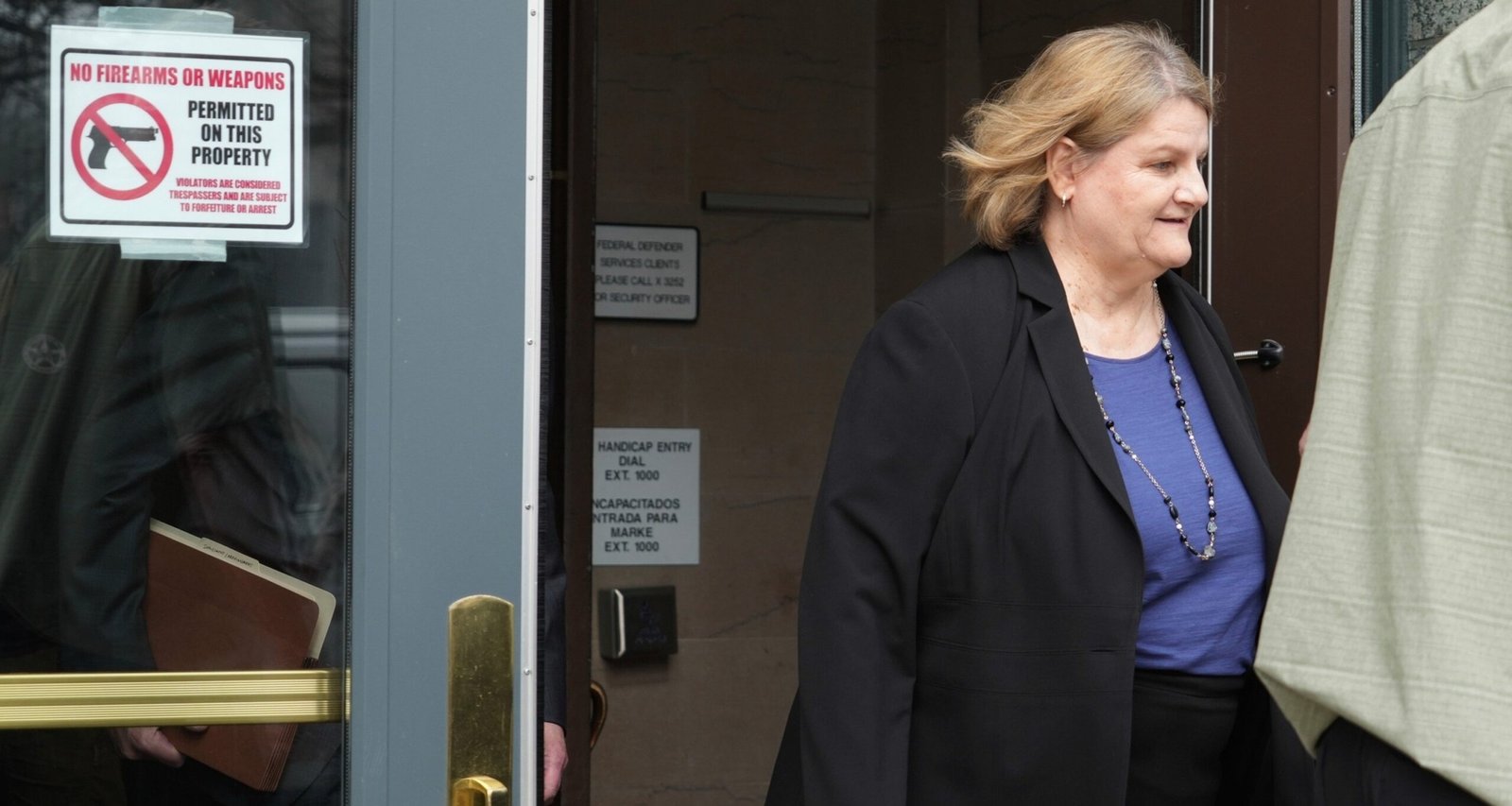
Imagem: Internet
The case has drawn attention beyond Wisconsin because it highlights tensions between local court operations and federal immigration enforcement. ICE officers routinely coordinate with state and local authorities to take custody of non-citizens facing criminal charges. DHS maintains that such cooperation is essential to public safety, a stance reiterated in Thursday’s announcement and consistent with policy documents available on the Department of Homeland Security website.
Neither the U.S. Attorney’s Office for the Eastern District of Wisconsin nor counsel for Flores-Ruiz immediately released additional comments on the removal. Representatives for Judge Dugan declined to comment beyond reaffirming her plea of not guilty.
The next public proceeding in the obstruction case is a pretrial conference set for Nov. 28. If the December trial date holds, jurors could hear testimony from courthouse security personnel, ICE agents and courtroom staff regarding the events of April 18. Sentencing for any conviction would follow later, subject to federal guidelines and judicial discretion.
For now, Flores-Ruiz’s deportation removes the principal witness to the alleged escape from U.S. soil, although prosecutors have indicated they captured video evidence and collected sworn statements shortly after the incident. Court filings suggest that body-worn cameras and courthouse surveillance may feature prominently at trial.
The indictment against Judge Dugan remains the central legal consequence of the Milwaukee courthouse episode, while the deportation of Flores-Ruiz closes the immigration component of the matter for DHS.
Crédito da imagem: Milwaukee Independent via AP


