Another factor behind weaker demand has been a decline in foreign purchasers, who historically represent an outsized share of luxury transactions. Analysts cite unfavorable exchange-rate movements between the U.S. dollar and currencies such as the euro during the same period, reducing the relative purchasing power of overseas investors.
Market observers like Jonathan Miller, chief executive of appraisal firm Miller Samuel, believe the recent softness could set the stage for stronger performance over the next decade than was seen in the last. Even so, access to ownership remains limited. Brown Harris Stevens chief executive Bess Freedman reports that most first-time buyers now arriving in the market are in their early thirties and often receive financial assistance from family members. She also notes that current demand skews toward local residents—empty nesters, young families and New Yorkers shifting neighborhoods—rather than international clients.
The rental side of the ledger
Prospective purchasers priced out of ownership have turned to leasing, pushing asking rents to unprecedented levels. Rental platform Zumper pegs the median monthly rent in Manhattan at $4,973, about 10 percent higher than one year earlier. Real-estate attorney Pierre Debbas attributes much of that increase to households that would normally buy but have chosen to remain in, or return to, the rental pool.
The cost comparison is stark. A buyer paying the median condo price of $1.65 million with a 20 percent down payment and a 30-year fixed mortgage at 6.25 percent would face principal and interest payments exceeding $8,000 each month. For many high-earning but cost-conscious New Yorkers, renting a spacious apartment for roughly $5,000 appears more attractive than locking in a significantly larger obligation, particularly when resale values are not guaranteed to rise.
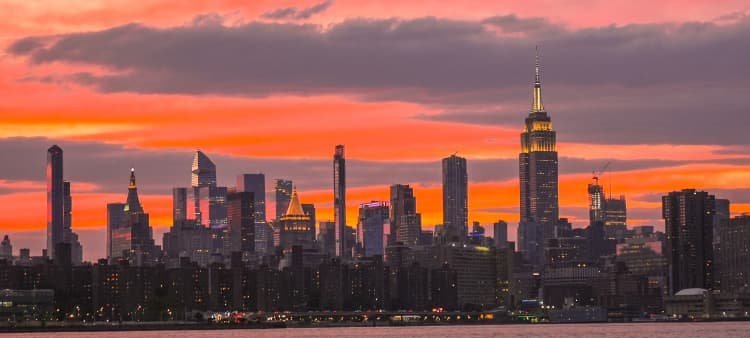
Imagem: Internet
Policy backdrop
Affordability concerns dominated the recent local election, helping Mayor-elect Zohran Mamdani secure national attention. His campaign platform calls for higher taxes on high-income households and a rent freeze covering roughly one million rent-stabilized units citywide. Housing economists warn that freezing regulated rents could prompt landlords to shift operating costs to the approximately 1.2 million market-rate apartments not covered by the proposal, potentially lifting those prices further.
Analysts like Miller argue that if expenses are constrained for one segment of the housing stock, owners may feel compelled to recoup shortfalls elsewhere in their portfolios, deepening the squeeze on tenants who fall outside stabilization programs.
Outlook
Manhattan now sits at a crossroads where declining sale prices coexist with record rents. High transaction costs, elevated interest rates and a smaller pool of foreign buyers continue to weigh on the ownership market, while limited supply and persistent demand support lofty lease terms. How municipal policy, future interest-rate decisions and global capital flows interact will determine whether the next decade delivers the rebound some analysts anticipate or extends the unusual divergence that currently defines New York’s most watched real-estate market.
Crédito da imagem: Brown Harris Stevens


