News of possible Justice Department action drew immediate criticism from Walz, who accused the administration of “weaponizing the justice system and threatening political opponents.” Without directly confirming the investigation, Attorney General Pam Bondi posted on the social-media platform X that “no one is above the law,” a phrase widely viewed as a reference to the Minneapolis matter.
On the same broadcast, Representative Michael McCaul, a Texas Republican and former chair of the House Homeland Security Committee, called the situation “uncommon,” noting that federal authorities rarely pursue obstruction cases against sitting political leaders. “It may be more of a statement than anything else,” he said, while observing that impeding a federal investigation is itself a federal offense.
The recent friction intensified after an Immigration and Customs Enforcement officer fatally shot Minneapolis resident Renee Good on 7 January. According to federal officials, the officer fired in self-defense when Good allegedly attempted to run him over with her vehicle. The shooting, which left three children without their mother, ignited fresh outrage among city residents, local officials and Democratic lawmakers. Demonstrations that followed have been predominantly peaceful, though several small clashes occurred between protesters and counter-protesters.
During Sunday’s interview, Frey said federal agents are responsible for “inflamed tensions” on city streets, claiming their numbers outstrip the Minneapolis Police Department by roughly five to one. He argued that calm prevails in areas without a federal presence and reiterated his earlier demand that ICE agents “get the f— out” of Minneapolis—a remark he said he does not regret. “Part of my responsibility as mayor is to channel what people in our city are feeling, and they were angry,” he said.
Homeland Security Secretary Kristi Noem has rejected calls to withdraw personnel, stating there are no plans to reduce the federal contingent. The White House has likewise stood by ICE, and President Trump has not ruled out invoking the Insurrection Act of 1807, which would authorize deployment of active-duty military forces for domestic law enforcement. Speaking Friday, the president said he currently sees “no reason” to use that authority.
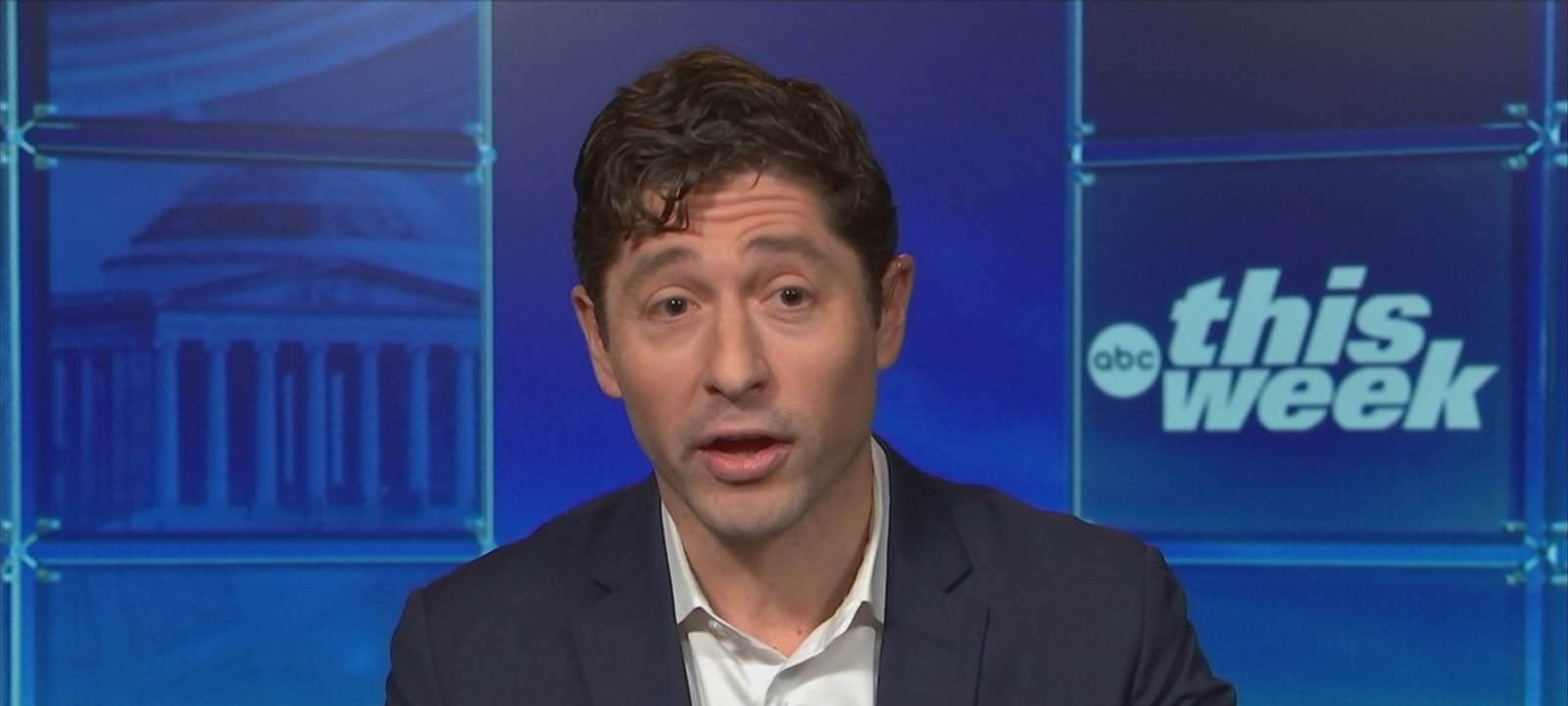
Imagem: Internet
McCaul urged officials on all sides to moderate their language, acknowledging that heightened rhetoric can escalate conflict. He also responded to assertions by Vice President JD Vance and White House Deputy Chief of Staff Stephen Miller that ICE officers possess blanket immunity from federal prosecution. “That’s not accurate,” McCaul said, adding that unlawful use of force can still be prosecuted under federal statutes, while those who obstruct investigations are likewise subject to legal consequences.
The legal parameters surrounding federal agents are governed by statutes and case law, including guidelines outlined in the Justice Department’s internal policy manual. While certain protections exist for officers acting within the scope of their duties, neither absolute immunity nor unchecked authority applies, experts note.
As the situation unfolds, Minneapolis officials continue to balance local concerns with federal directives. The city has focused on facilitating peaceful demonstrations, protecting civil liberties and preventing property damage. State authorities remain prepared to deploy the National Guard if conditions deteriorate, though both Walz and Frey have expressed hope that additional troop presence can be avoided.
For now, the central question is whether the Justice Department will formally allege that Frey and Walz hindered federal agents or otherwise obstructed operations. Without a subpoena or public filing, the scope and objectives of the inquiry remain unclear. Frey said he is ready to meet any request for documents or testimony, while continuing to advocate for what he describes as the safety and constitutional rights of Minneapolis residents.
Crédito da imagem: Leah Millis/Reuters


