Netflix has committed to a reverse break-up fee of $5.8 billion if regulators block the acquisition. Conversely, WBD would pay a $2.8 billion fee should it terminate the pact to pursue an alternative merger. Both penalties were filed with the U.S. Securities and Exchange Commission.
With the acquisition, Netflix gains a century-old Hollywood studio known for properties ranging from “The Wizard of Oz” and the Harry Potter series to the DC Comics universe. HBO Max will add prestige television titles such as “Game of Thrones” and “The Sopranos” to Netflix’s expanding library. The streaming giant last reported more than 300 million global subscribers at the end of 2024, while WBD cited 128 million as of 30 September. Combining those bases is expected to heighten scrutiny from antitrust regulators, an issue flagged by rival bidders during the sales process.
Paramount Skydance, which had previously submitted three offers for WBD’s entire portfolio, delivered a final all-cash proposal of $30 per share on Thursday evening, including a $5 billion break-up fee if regulators intervened. Company representatives later questioned the transparency and fairness of WBD’s negotiations, asserting that the seller favored Netflix despite the higher nominal price. Comcast also expressed interest earlier in the auction but did not match Netflix’s package of cash, stock, and contractual protections.
Netflix initially proposed $27 per share but raised the offer to the winning $27.75 during the second bidding round. According to people familiar with the process, the combination of immediate cash, equity upside, and a sizable reverse break-up fee proved decisive. Market observers expect regulators to evaluate the transaction’s impact on streaming competition, content licensing, and consumer pricing, areas already under review by agencies such as the Federal Trade Commission.
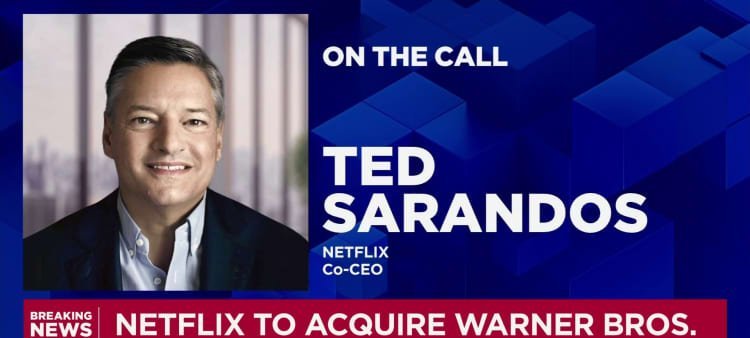
Imagem: Internet
Following the closing, Netflix plans to integrate Warner Bros. production operations with its own studio network while maintaining separate brand identities for theatrical releases and streaming premieres. Management signaled an intent to leverage Warner Bros.’ existing relationships with talent guilds and distribution partners to expand international film slates and event-level franchises. Meanwhile, HBO Max is expected to coexist with the flagship Netflix service until technology and catalog alignment are completed; details on subscription tiers and pricing will be announced closer to completion.
Financing for the cash portion of the deal will rely on a mix of existing balance sheet resources and new debt issuance. Netflix ended 2024 with roughly $8 billion in cash and equivalents and a net debt position below $5 billion, metrics the company has indicated it will maintain within targeted leverage ratios even after the acquisition.
Industry analysts note that the agreement marks Netflix’s largest purchase to date and represents a strategic shift for a company historically focused on organic content development. By absorbing Warner Bros. and HBO Max, Netflix not only gains a deep catalog of film and television properties but also inherits ongoing production pipelines capable of generating blockbuster franchises and premium series for decades.
The companies estimate that closing conditions could be satisfied as early as late 2025, provided regulators grant approval within the projected 12- to 18-month review window. Until then, Warner Bros. Discovery will continue operating the studio and HBO Max as separate divisions, while Netflix proceeds with integration planning under customary pre-merger limitations.
Crédito da imagem: Warner Bros. Discovery


