Pipeline of new construction
Rechler said RXR has arranged roughly $7 billion in project financing, including a 2.8-million-square-foot development that will replace an existing Hyatt hotel between 2031 and 2032. He described today’s environment for premium offices as marked by “urgency,” noting that leases requiring a year of discussion are now closing in as little as three weeks.
Demand for residential space also remains elevated. Rechler pointed to a 1.5% vacancy rate in the city’s multifamily sector, arguing that young professionals continue to choose New York over competing markets. Rudin agreed, stating that access to talent keeps firms anchored in Manhattan and the surrounding boroughs.
Investor perception versus local reality
While domestic leasing has been resilient, Rechler acknowledged heightened caution among some overseas institutions. He said investors he met in Europe and the Middle East frequently ask about the impact of Mamdani’s platform, particularly proposals for rent freezes. Conversations suggest a “wait-and-see” stance that could temporarily slow foreign capital flows into multifamily projects.
The executive, who also serves on the board of the Federal Reserve Bank of New York, noted that the same questions are being raised inside the central bank’s boardroom. Even so, he and Rudin emphasized the city’s track record of rebounding from crises ranging from 9/11 to the global financial downturn and the COVID-19 pandemic.
Political checks and balances
Despite Mamdani’s campaign rhetoric, several structural factors could limit policy shifts. New York State retained significant fiscal oversight of the city after the 1970s financial crisis, giving Governor Kathy Hochul veto power over local tax changes. Rechler said Hochul assured him that personal income tax rates will not rise during her term. With a gubernatorial election scheduled for 2026, both executives believe the governor has a strong incentive to serve as a backstop against measures that might undermine the city’s competitiveness.
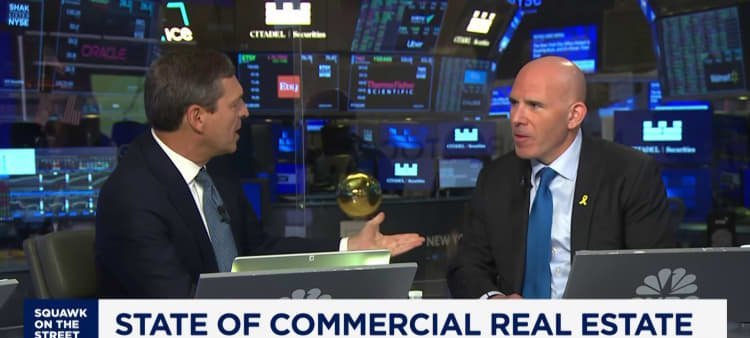
Imagem: Internet
The businessmen also noted that New York’s annual budget has nearly doubled over the past two decades, reaching approximately $116 billion. In their view, the scale of municipal operations could encourage the incoming mayor to adopt a more pragmatic approach than his campaign platform suggested. Rudin compared the situation to previous administrations in which leaders pivoted toward the political center once in office.
Housing agenda and collaboration prospects
Housing affordability and supply remain central challenges. Recent citywide rezoning under Mayor Eric Adams laid groundwork for larger residential projects, but issues such as labor costs, sustainability mandates and tax provisions still complicate development of buildings with more than 100 units. Rudin argued that progress will require coordinated action among labor unions, the City Council, the governor and the mayor.
Both executives pointed to pandemic-era tax incentives that allow the conversion of older office properties into apartments, provided 25% of units are reserved for below-market rents. They expressed willingness to work with the new administration to expand such programs.
Transition talks with Mamdani
Rechler met privately with Mamdani in September and described the mayor-elect as prepared and receptive to public-private partnerships. He contrasted the encounter with a prior meeting involving former mayor Bill de Blasio, who was perceived as dismissive of business leaders. Rudin similarly characterized Mamdani as a “smart young man” open to feedback, adding that the private sector now bears responsibility for outlining viable paths to meet the city’s housing goals.
For now, leasing data and development pipelines indicate that companies are expanding rather than exiting. Whether foreign investment concerns materialize into a measurable slowdown will depend on the policy decisions Mamdani makes after taking office in January.
Crédito da imagem: Adam Jeffery | CNBC


