While semaglutide therapy did improve two Alzheimer’s-related biomarkers, those biological effects did not translate into a measurable delay in disease progression. Novo Nordisk stated that the result was broadly in line with the company’s internal expectations, noting that the trial had been viewed as a “lottery ticket” given the longstanding difficulty of treating the neurodegenerative disorder.
Martin Holst Lange, the firm’s chief scientific officer, said the program was undertaken because of significant unmet medical need and early observational data linking use of the drug to a lower incidence of Alzheimer’s. He added that Novo Nordisk regarded the probability of success as low but believed it had an obligation to test the hypothesis.
Investor reaction and market context
Analysts had previously regarded the Alzheimer’s study as a long-shot opportunity rather than a core part of the investment narrative. Nevertheless, some investors had hoped a positive read-out might reignite momentum in Novo Nordisk shares, which have been pressured by lower forecasts and growing rivalry from Eli Lilly’s GLP-1 medicines Mounjaro and Zepbound.
Monday’s negative outcome removes a potential catalyst in the near term, according to commentary from Jefferies, and underscores the challenge of diversifying Novo Nordisk’s pipeline beyond its flagship metabolic franchise. During the past 18 months, Lilly’s market capitalization has surged, recently crossing the US$1 trillion threshold, while Novo Nordisk has struggled to maintain its earlier lead despite launching Ozempic four years ahead of Mounjaro.
Alzheimer’s landscape remains difficult
Alzheimer’s disease is the most common form of dementia and is expected to become more prevalent as populations age. Existing drugs, such as Eli Lilly’s Kisunla and Biogen and Eisai’s Leqembi, have demonstrated an ability to slow functional decline by up to one-third, but their use can be complicated by serious side effects. On Monday, Lilly shares traded almost 1% higher, and Biogen gained about 3% in early U.S. trading after Novo Nordisk’s announcement.
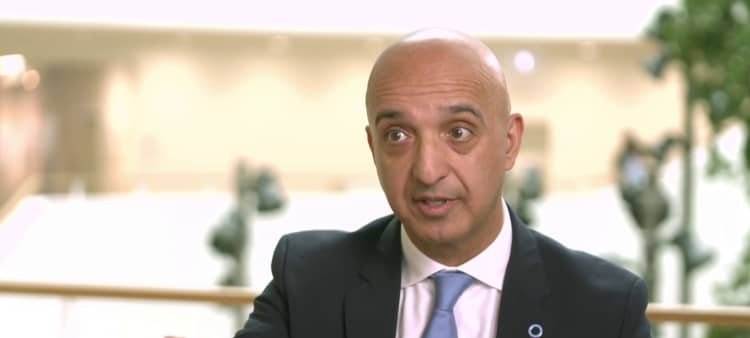
Imagem: Internet
Semaglutide and other GLP-1 receptor agonists work by mimicking a gut hormone that regulates blood sugar and appetite. The exact mechanism by which these agents might influence neurodegenerative diseases is not fully understood, though one theory involves the reduction of neuroinflammation. Top-line data from the failed study will be presented on December 3 at the Clinical Trials on Alzheimer’s Disease conference, with complete findings scheduled for release at the 2026 Alzheimer’s and Parkinson’s Diseases Conference next March.
Corporate overhaul continues
The latest clinical disappointment comes amid significant leadership changes at Novo Nordisk. Earlier this year, the company replaced its chair and half of its board following disagreements with the Novo Nordisk Foundation—its controlling shareholder—over the speed and scope of strategic adjustments. The shake-up occurred only months after long-time chief executive Lars Fruergaard Jørgensen departed following an eight-year tenure marked by the recent stock decline.
New chair Lars Rebien Sørensen later said the previous board had been slow to recognize shifts in the U.S. marketplace, where compounded, lower-cost versions of semaglutide have been cutting into Novo Nordisk’s revenue. Mike Doustdar, appointed chief executive after leading the company’s operations outside the United States, has since redirected commercial priorities toward the core obesity and diabetes businesses and begun plans to eliminate more than 10% of the global workforce.
Despite Monday’s adverse result, Novo Nordisk continues to generate substantial sales from GLP-1 therapies. However, the company now faces renewed pressure to protect its existing franchises and to identify new growth drivers as competitors advance rival medications and as reimbursement challenges persist in key markets.
Additional data analyses from the Alzheimer’s trial are ongoing, but Novo Nordisk said it has no immediate plans for further late-stage studies of semaglutide in this indication. Investors will receive another update when the detailed results are presented in early December.
Crédito da imagem: Tom Little | Reuters


