According to an internal law-enforcement briefing reviewed by industry officials, the airport’s on-site tanks could begin to show measurable declines by Monday if the pipeline remains out of service. Only two fuel trucks at a time can discharge into each tank, sharply limiting the volume that can be moved over highways. To accelerate deliveries, Olympic Pipeline Company has requested drivers from neighboring states, and the Washington State Patrol has temporarily suspended hour-of-service restrictions for those hauling jet fuel.
Airport monitoring supplies, airlines ready contingency plans
In a statement, Seattle–Tacoma International Airport reported that current reserves remain adequate to support scheduled operations through the next 24 hours and that no immediate flight cancellations are expected. Nevertheless, airport officials said they are tracking inventory levels “hour by hour” and coordinating with carriers, fuel suppliers and federal regulators.
Airlines operating at SEA have prepared a range of contingency measures. In addition to ferrying fuel, some carriers may lengthen block times to account for possible ground delays, reduce discretionary cargo loads or swap aircraft types to better match available fuel resources. Flight reductions or schedule adjustments are possible if reserves fall faster than anticipated.
Pipeline outage follows earlier disruptions
The Olympic Pipeline has faced previous interruptions. In September, a separate issue on the line was linked to higher gasoline prices across the Pacific Northwest, although investigators have not yet determined whether that incident bears any connection to the current jet-fuel shortfall. The system’s safety record also includes a 1999 rupture and fire in Bellingham, Washington, that resulted in three fatalities, prompting significant regulatory scrutiny.
The latest crack is under investigation by federal and state agencies. Technicians are assessing the extent of the damage, but no timetable has been released for full restoration of service. The line’s owner, BP, has not publicly commented on the outage.
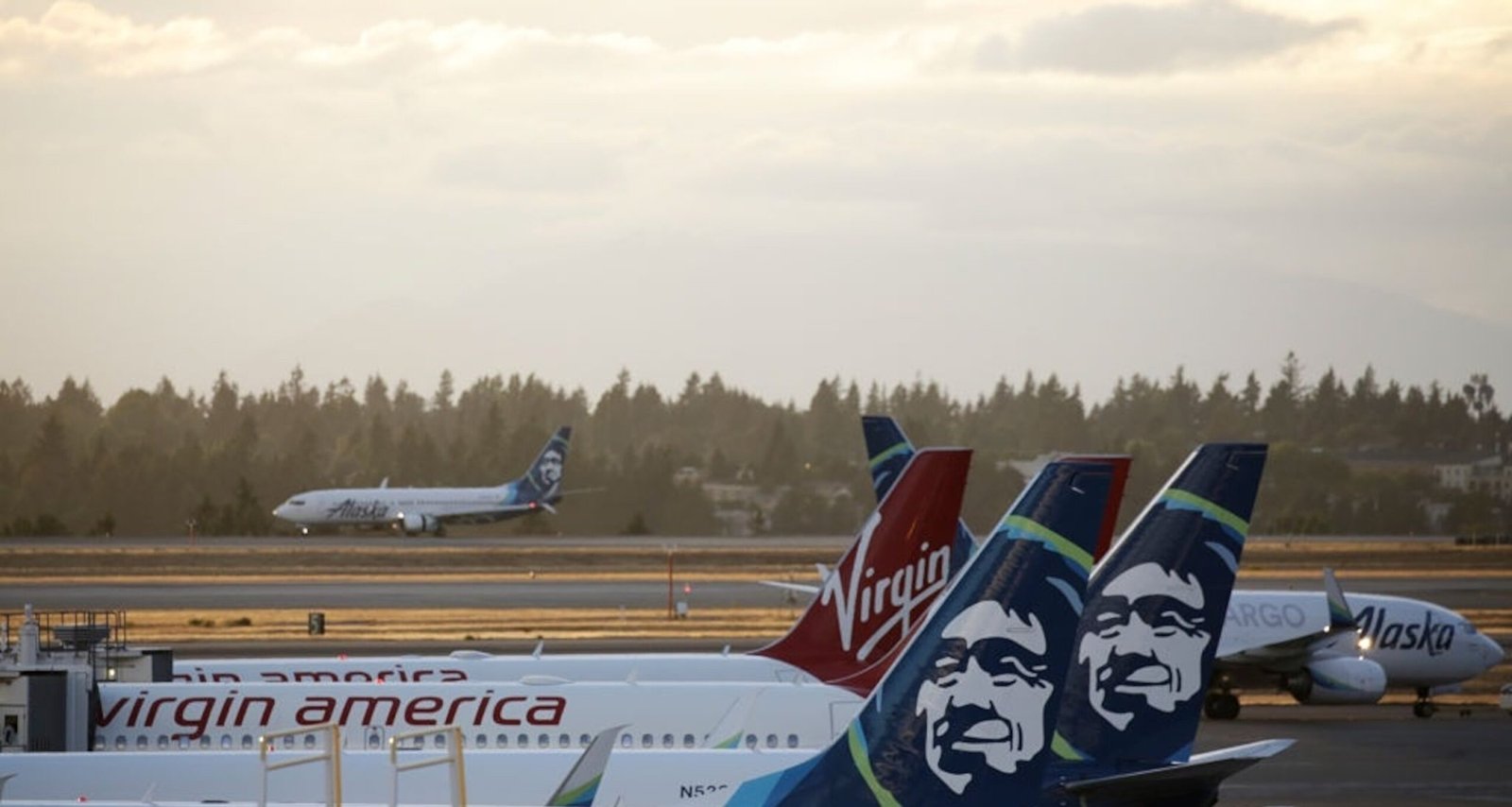
Imagem: Internet
Regulatory response and safety oversight
Pipeline safety in the United States is overseen by the Pipeline and Hazardous Materials Safety Administration (PHMSA), which sets inspection and maintenance standards for more than 2.8 million miles of pipelines nationwide. Investigators from PHMSA and the National Transportation Safety Board routinely review significant leaks or ruptures to determine whether corrosion, material defects, operational errors or third-party damage played a role.
Local officials have not reported any injuries or environmental impact associated with the Everett crack. Crews have isolated the affected segment and are conducting integrity tests on adjacent sections. Once repairs are complete, regulators must approve a restart plan before product can flow at normal pressure.
Potential operational impact at Sea-Tac
Seattle–Tacoma International Airport handles roughly 51 million passengers annually and serves as a major hub for Alaska Airlines and Delta Air Lines. On an average day, the airport pumps between 4 and 5 million gallons of jet fuel. Industry analysts note that even a single-day interruption in pipeline deliveries can draw down on-field storage by several percentage points, depending on traffic levels and the efficiency of alternative supply lines.
If trucking operations maintain a steady flow and the pipeline outage is resolved within days, airlines expect to avoid widespread cancellations. However, an extended disruption could force carriers to curtail frequencies, reroute aircraft to airports with surplus fuel or impose weight restrictions on departures from Seattle.
Stakeholders said they remain in close communication and will update passengers if the situation requires schedule changes. For now, travelers are advised to monitor flight status information provided by their respective airlines.
Crédito da imagem: Jason Redmond/AFP via Getty Images


