Cameo, founded in 2016, operates an online marketplace where users pay public figures for personalized video messages. The company argues that its brand is widely recognized in the entertainment and social-media sectors, and that OpenAI’s adoption of the same term risks confusing customers who may believe the two businesses are affiliated.
Judge Lee agreed that Cameo had shown a likelihood of consumer confusion sufficient to justify emergency relief. The order states that OpenAI “shall immediately cease all use, display, or promotion of the mark ‘Cameo,’ whether alone or in combination with any words, symbols, or design elements, for any product or feature related to Sora.”
Statements from both companies
An OpenAI spokesperson said the company “disagrees with the complaint’s assertion that anyone can claim exclusive ownership over the word ‘cameo,’” adding that the firm intends to defend its position as the litigation proceeds.
Cameo Chief Executive Steven Galanis praised the ruling, saying it “recognizes the need to protect consumers from the confusion that OpenAI has created by using the Cameo trademark.” He expressed hope that OpenAI would adopt a permanent alternative name to avoid “further harm to the public or Cameo.”
Key dates and next steps
The temporary restraining order remains in effect until December 22. Judge Lee has scheduled a hearing for December 19 to determine whether the restrictions should be extended through a preliminary injunction while the lawsuit moves forward. If the court grants a preliminary injunction, the naming ban could last until a final decision or settlement is reached.
OpenAI may seek to lift or narrow the order at the December 19 session, but it must presently ensure that all references to “Cameo” are removed from product documentation, user interfaces, advertising, and public communications covering Sora. Violations of the court order could expose the company to contempt penalties.
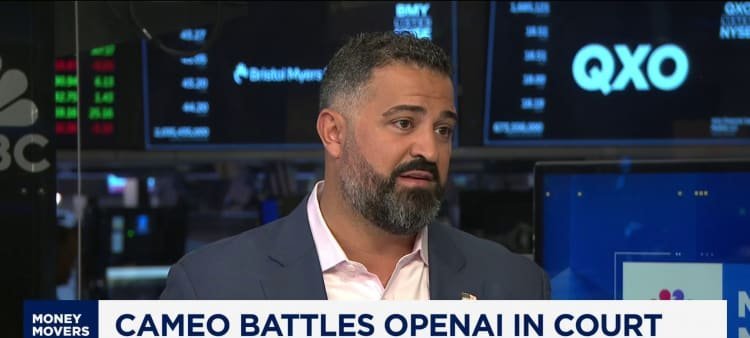
Imagem: Internet
Trademark backdrop
Cameo holds several U.S. trademark registrations related to its name and services. Trademark law in the United States protects brand identifiers that distinguish goods or services and prevents other parties from using confusingly similar marks in the same or related fields. The U.S. Patent and Trademark Office’s database shows multiple live registrations for “CAMEO” owned by the Chicago-based company.
OpenAI contends that the term “cameo”—commonly used in film and entertainment to describe a brief appearance by a famous figure—is generic and should remain available for descriptive use. Whether the court ultimately views the word as protectable in this context will be central to the case. Additional background on federal trademark standards can be found on the U.S. Patent and Trademark Office website.
Broader implications for AI firms
The dispute highlights growing friction between established consumer brands and emerging artificial-intelligence companies that repurpose familiar words for novel digital applications. As AI tools expand into areas such as image, audio, and video generation, name collisions may become more common, prompting courts to balance trademark rights against claims of descriptive or fair use.
Legal observers note that temporary restraining orders are granted only when a plaintiff demonstrates immediate and irreparable harm, suggesting the court regarded the risk of consumer confusion as significant. However, the forthcoming preliminary-injunction hearing will involve a deeper examination of the merits, including the strength of Cameo’s mark, OpenAI’s intent in selecting the name, and evidence of actual marketplace confusion.
For now, OpenAI must rebrand the contested feature or leave it unnamed until the court issues further guidance. Developers and users of Sora remain able to access the underlying functionality, but any reference to “Cameo” or phonetic variations must be removed across interfaces and documentation in compliance with the court’s directive.
The lawsuit adds to a series of legal challenges confronting OpenAI, which is also facing questions over copyright and data usage as generative AI systems become widespread. The outcome of this trademark case could set a precedent for the industry, clarifying how traditional intellectual-property rules apply to rapidly evolving AI products.
Crédito da imagem: Dado Ruvic | Reuters


