Analysts have warned that silver’s volatility poses a significant risk to earnings visibility. Brokerage Jefferies told clients this week that recent price swings may keep some investors on the sidelines, while Citi highlighted “extreme precious-metal inflation” and a softer macroeconomic backdrop in the United States and Europe—markets that together account for roughly 80 percent of Pandora’s revenue. The company’s shares have fallen about 60 percent over the past 12 months, reflecting those concerns and broader weakness in discretionary spending.
Pandora reported 4 percent organic growth for the fourth quarter. Like-for-like sales, which measure performance at stores open at least a year, were flat both during the quarter and in the first month of 2026. It was also the first quarter of negative like-for-like growth since late 2022 in the “Fuel with More” category, the strategic initiative aimed at expanding beyond the brand’s traditional charm bracelets into rings, necklaces and lab-grown diamonds.
Management expects organic revenue in 2026 to range between a 1 percent decline and a 2 percent increase, signaling limited top-line momentum as consumers remain cautious. In the United States—representing about one-third of group sales—demand stayed subdued in the final three months of the year. De Pablos-Barbier pointed to what she described as the lowest consumer-confidence readings since the 1960s, emphasizing that the company will focus on refreshing collections and marketing to maintain customer loyalty in its largest market.
The jeweler’s 6 percent organic expansion in 2025, preannounced in January, missed Pandora’s own target of 7 percent to 8 percent and compared with 13 percent growth the previous year. The shortfall underscored the combined impact of metal-price inflation and tighter household budgets in key regions. Analysts said that even if silver prices stabilize, investors may continue to value the stock below its historical average until earnings visibility improves.
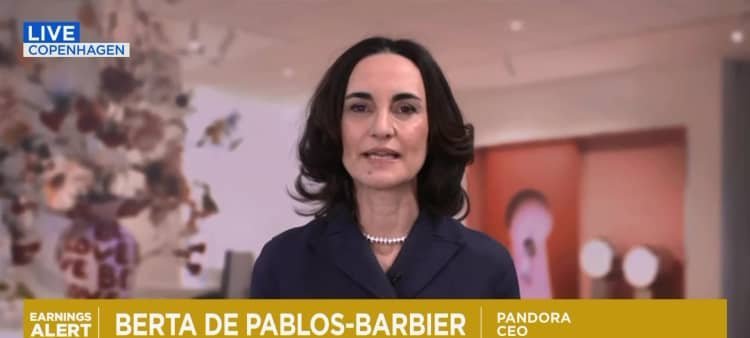
Imagem: Internet
Against that backdrop, the planned pivot toward platinum-plated items is intended to diversify raw-material sourcing and protect profitability. De Pablos-Barbier said the strategy should help the company keep EBIT margins in the low-20 percent range despite cost pressures. No timeline was provided for the rollout, but management signaled that the new products will be integrated into upcoming collections, allowing Pandora to test customer response while gradually reducing silver’s share of the overall mix.
Although platinum is typically more expensive than silver, plating involves a thin layer of the metal, limiting cost increases while offering consumers a different aesthetic. Pandora believes the addition will strengthen its appeal in segments such as rings and necklaces, complementing its established charms franchise and supporting efforts to counter what some analysts describe as growing “brand fatigue.”
Investors will now watch how quickly the company can execute the materials shift, stabilize like-for-like sales and revive demand in the United States. Pandora’s next scheduled update is its first-quarter report, where early indicators of consumer reception to new products and any progress in mitigating metal-price exposure are likely to be in focus.
Crédito da imagem: Pandora