The legislation now moves to the House, where Speaker Mike Johnson intends to present it under suspension of the rules, a procedure that bars amendments and demands a two-thirds majority for passage. That threshold will necessitate significant support from both Republicans and Democrats before the bill can reach President Donald Trump for signature. A floor vote has been tentatively scheduled for Monday night, leaving agencies partially unfunded throughout the weekend.
Senate leaders secured Friday’s vote after Senator Lindsey Graham lifted a procedural hold he had placed on the spending package earlier in the week. Graham agreed to allow consideration after Majority Leader John Thune guaranteed future votes on two issues the South Carolina Republican has championed. One would prohibit so-called sanctuary jurisdictions from limiting cooperation with federal immigration enforcement; the other involves “Arctic Frost” language that would permit members of Congress to sue the government if investigators obtain their phone records without notice. The Arctic Frost provisions had been removed when the House originally passed its version of the funding bill.
Although Senate Democratic and Republican leaders praised the chamber’s ability to avert a wider shutdown, uncertainty remains in the House. Minority Leader Hakeem Jeffries told reporters Friday that Democrats had not yet endorsed the negotiated framework. Without clear Democratic backing, Speaker Johnson will have to secure a substantial bloc of votes from his own caucus to reach the supermajority required under suspension. Failure would extend the shutdown or force leaders to consider alternative legislative paths.
The dispute over DHS funding intensified after the recent death of Alex Pretti, an intensive care nurse killed during a federal law-enforcement operation in Minneapolis. The incident prompted nationwide demonstrations and renewed scrutiny of ICE practices, adding urgency to Democratic demands for stronger oversight measures. Senate Minority Leader Chuck Schumer said shortly after the vote that his caucus will seek to end roving patrols, establish stricter accountability standards and formalize camera requirements for agents. Schumer and Thune are expected to negotiate final language in the coming days.
Most federal departments and agencies are assured of full-year appropriations once the House adopts the Senate package, but DHS faces a second funding deadline in mid-February. Lawmakers must either incorporate new immigration provisions into a revised appropriations bill or adopt another stopgap measure to prevent further disruption.
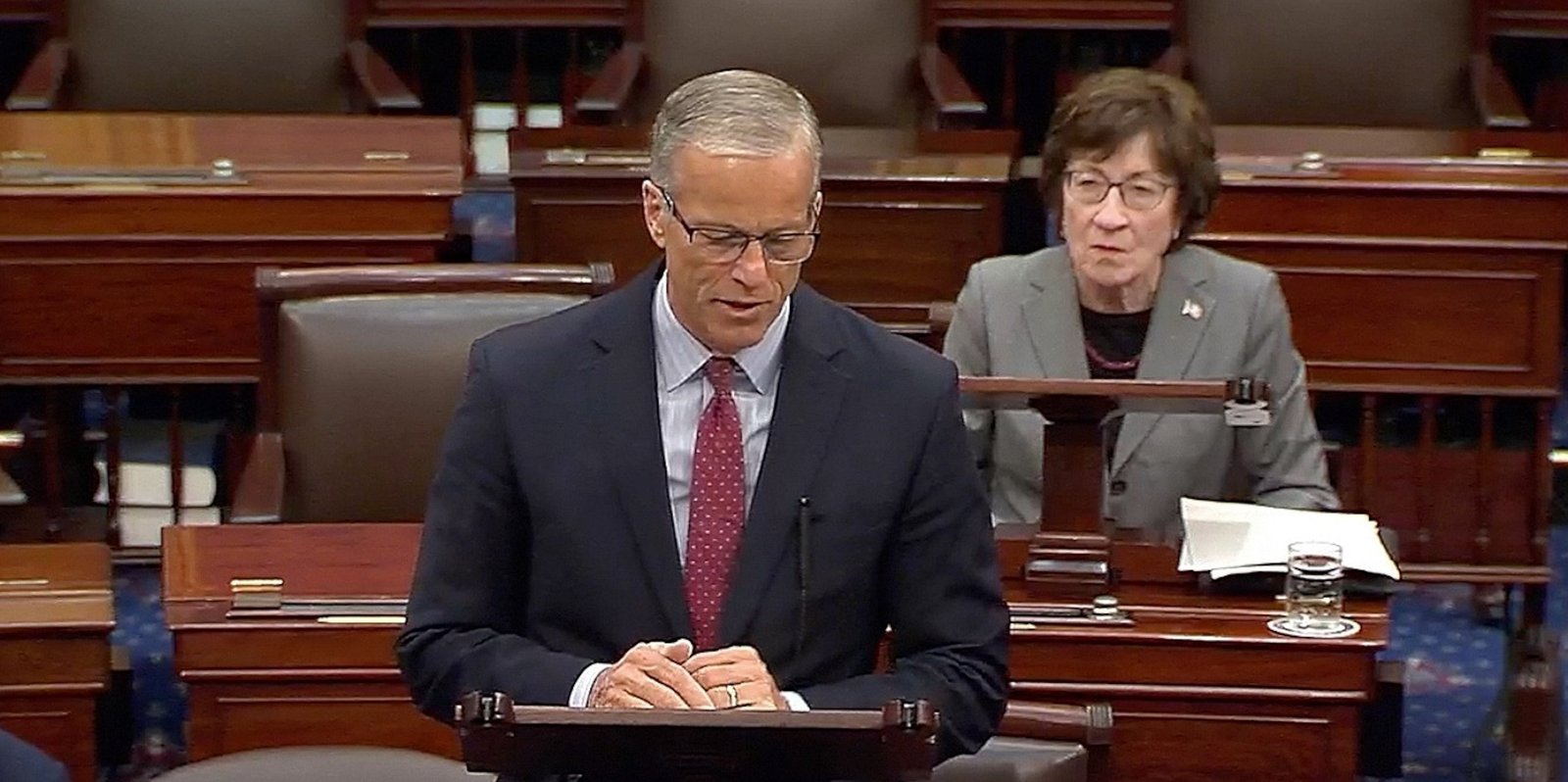
Imagem: Internet
While core services such as national security, air-traffic control and Social Security payments continue, many government functions are already scaling back. According to the U.S. Office of Personnel Management, previous shutdowns have resulted in hundreds of thousands of furloughs and delays in regulatory, research and grant-making activities. Agencies began notifying employees of contingency plans on Friday evening once it became clear the House would not act before the expiration of prior funding.
Financial markets closed before news of the impending shutdown, but analysts anticipate limited immediate economic impact if the lapse in appropriations ends quickly. A prolonged stalemate, however, could reduce consumer confidence and postpone federal contract awards, according to prior Congressional Budget Office studies.
Beyond immigration issues, debate may also revisit the Arctic Frost proposal that would expand lawmakers’ legal options when federal investigators obtain telephone metadata. Supporters argue the measure protects congressional independence, while critics warn it could hamper legitimate investigations.
For now, the focus remains on Monday’s scheduled vote. If the House passes the Senate bill without modification, President Trump is expected to sign it promptly, restoring regular operations across shuttered offices and initiating the two-week negotiation period for DHS. Should the measure fail, congressional leaders would need to develop another stopgap or accept a wider shutdown, a scenario both parties insist they hope to avoid.
Until then, federal employees in affected agencies face uncertainty over pay and work status. Contractors awaiting payments may encounter delays, and the public could experience reduced access to some government services. As the weekend begins, lawmakers from both chambers are preparing to return to Washington to press for a resolution ahead of the next workweek.
Crédito da imagem: Senate TV