The reported sequence of events contrasts with procedures followed in another maritime operation weeks later. During that later strike, two survivors were airlifted to a U.S. Navy vessel, treated, and ultimately repatriated to Ecuador and Colombia. Legal analysts noted at the time that the pair could have faced prosecution in federal courts for alleged drug smuggling if transferred to U.S. jurisdiction.
Broader Campaign of Maritime Strikes
The Sept. 2 engagement forms part of a wider U.S. campaign against suspected narcotics traffickers in the Caribbean and the eastern Pacific. According to public data compiled by defense officials, more than 20 airstrikes have been carried out against small vessels in those waters since the operation began earlier this year, resulting in over 80 fatalities. The administration of former President Donald Trump, under which Hegseth serves, maintains that intelligence clearly shows the targeted boats are ferrying illegal drugs.
Officials argue the strikes are lawful because the administration has designated several transnational drug cartels as foreign terrorist organizations. That designation, they contend, grants the military authority to engage traffickers under counterterrorism rules rather than rely solely on law-enforcement seizures. Critics counter that the approach lacks precedent and bypasses established judicial processes for drug interdiction. Sen. Mark Kelly, a member of the Senate Armed Services Committee, recently labeled the legal basis for U.S. military activity near Venezuela “questionable.”
Under the Geneva Conventions, parties to an armed conflict are required to collect and care for wounded or shipwrecked individuals whenever practicable. Several international law specialists interviewed after the Post report surfaced said that obligation could apply even if the United States classifies traffickers as terrorists, because the conventions protect anyone rendered hors de combat, irrespective of status.
Questions Surrounding Command Decisions
The Post account states that Adm. Bradley ordered a second strike on the damaged vessel to ensure compliance with instructions from higher headquarters. If accurate, the decision raises questions about why recovery of the survivors and potential evidence was not pursued, particularly given that a later operation demonstrated the military’s capacity to retrieve survivors by helicopter.
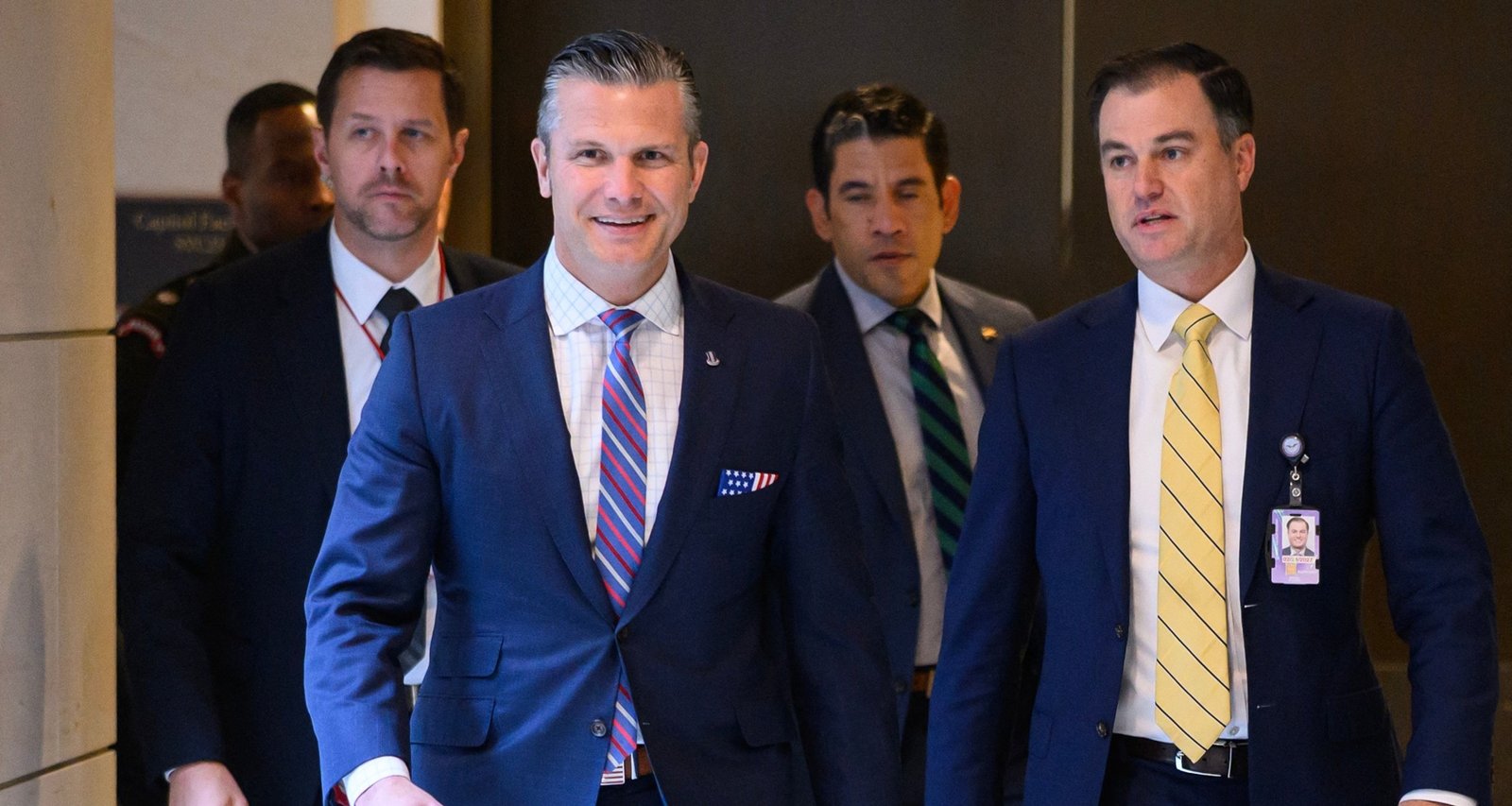
Imagem: Internet
Officials have not outlined the chain of approvals for the Sept. 2 mission. Standard rules of engagement for U.S. forces require positive identification of hostile intent or conduct before employing lethal force, as well as adherence to the principle of proportionality. Whether those protocols were altered for counter-narcotics missions has not been confirmed.
Domestic and International Reactions
Human-rights organizations, already critical of the expanding role of the U.S. military in drug interdiction, have called for an independent investigation. Several legal groups argue that if orders to kill survivors were issued, they could constitute a violation of both domestic military regulations and international humanitarian law. Congressional oversight committees have not announced formal hearings, though members from both parties have requested classified briefings on the strike series.
The administration has previously emphasized that rapid, lethal strikes serve as a deterrent to traffickers who operate high-speed boats capable of evading conventional naval patrols. Military officials have also pointed to the challenges of boarding small, potentially hostile vessels at sea, particularly at night and in poor weather. However, specialists in maritime law enforcement note that U.S. Coast Guard and Navy units routinely conduct interdictions without resorting to airstrikes.
With the Pentagon and SOCOM withholding details, substantial information about the Sept. 2 mission remains undisclosed, including the identities of those killed, the quantity of drugs allegedly on board, and the intelligence that triggered the operation. It also remains unclear whether any internal military reviews have been completed or whether the incident has been referred to the Department of Justice for potential legal assessment.
As of Friday evening, no timeline has been provided for additional statements from the Defense Department or for any release of after-action reports that could illuminate the decision-making behind the strike. In the absence of official clarification, questions persist regarding the rules governing U.S. military engagement in counter-narcotics operations and the legal safeguards intended to protect individuals rendered defenseless at sea.
Crédito da imagem: Mandel Ngan/AFP via Getty Images


