Under the revised agreement, the Sackler families and Purdue will provide a combined $7.4 billion. The money is earmarked for programs such as addiction treatment, education, and reimbursement of public expenditures tied to the epidemic. All civil claims against Purdue itself would be settled if the plan is confirmed, but individual creditors retain the option to pursue separate actions against Sackler family members in other courts. The families have consistently stated that they regret the company’s impact yet deny personal responsibility for the public health emergency.
Support for the proposal has been overwhelming among those entitled to vote. Purdue reported that more than 99 percent of voting creditors favored the settlement, reflecting years of negotiations among states, tribes, hospitals, insurers and personal-injury claimants. In a recent statement, Purdue Chair Steve Miller said the high approval rate demonstrates a collective desire to “maximize value for victims and communities” and to move the restructured business toward “a public-minded mission.”
A significant component of that mission is the planned creation of Knoa Pharma, a successor company that would operate under court supervision. According to Purdue’s filings, Knoa intends to supply millions of doses of overdose-reversal medication and treatment for opioid use disorder at no profit, generating what the company describes as “substantial further value” for public health initiatives. Any remaining commercial activities would be conducted with heightened oversight to prevent a repeat of past marketing practices.
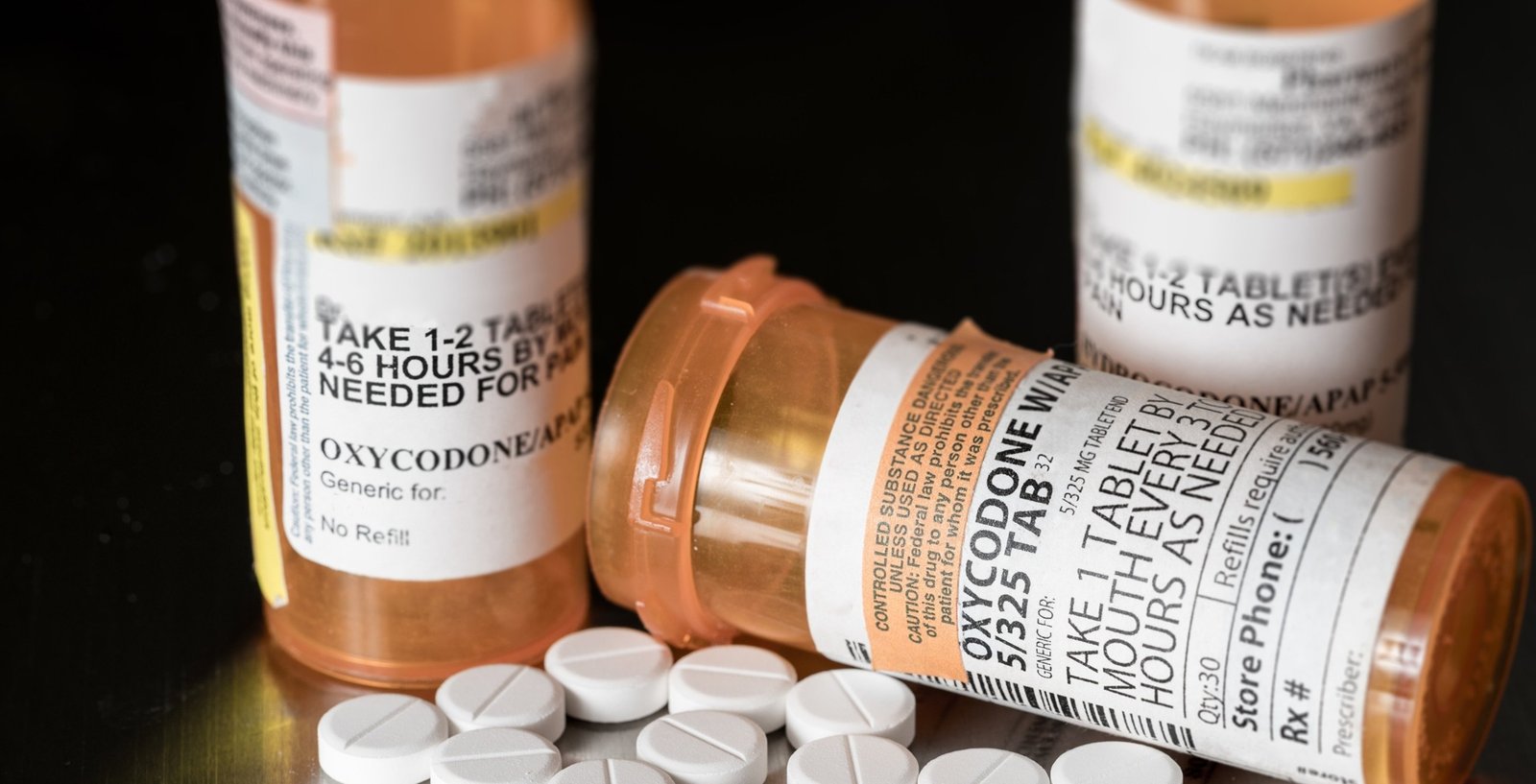
Imagem: Internet
The hearings will examine whether the plan complies with bankruptcy law, treats creditor classes equitably, and satisfies requirements set by the Supreme Court. Judge approval would pave the way for distribution of funds and establishment of Knoa Pharma, although appeals could still delay implementation. If confirmed, the settlement would join other multibillion-dollar accords aimed at addressing the economic and social costs of opioid addiction. Data from the Centers for Disease Control and Prevention indicate that more than half a million people in the United States have died from overdoses involving prescription and illicit opioids since 1999.
While Purdue’s liabilities would be resolved through the bankruptcy process, the Sacklers face the prospect of ongoing litigation from creditors who opt out of the deal. The extent of that exposure remains uncertain and is likely to depend on the outcome of individual lawsuits filed after the plan takes effect. The families have not sought protection under bankruptcy law and therefore do not receive the same legal finality afforded to the company.
The court’s decision on the reorganization plan will determine how quickly settlement funds become available to governments and individuals that have waited years for relief. It will also signal whether a new corporate structure dedicated to public health can emerge from one of the most visible corporate scandals of the opioid era.
Crédito da imagem: Adobe Stock


