The Moscow session took place only hours after Putin delivered combative remarks aimed at European capitals. Addressing journalists at the “Russia Calling!” investment forum, the Russian leader said the continent lacked a genuine peace agenda and declared that while Moscow was not seeking armed confrontation, it was prepared to fight if challenged. The comments heightened anxiety in European capitals already wary of a potential diplomatic realignment that could sideline their interests.
European Union foreign policy chief Kaja Kallas earlier this week called the period “pivotal for diplomacy” and argued that Russia does not genuinely seek peace, urging member states to continue strengthening Ukraine’s military position. Those concerns have been amplified by perceptions that U.S. President Donald Trump maintains warmer personal ties with Putin than with Ukrainian President Volodymyr Zelenskyy, raising speculation that Washington could eventually support a settlement closer to Moscow’s terms.
Despite the impasse in the Russian capital, Zelenskyy painted a relatively optimistic picture during an address to Irish lawmakers, stating that Ukraine was “closer to peace than ever before” following recent talks in Washington. His view contrasts with that of multiple analysts who see little incentive for the Kremlin to accept a near-term compromise.
Expert assessments
Market and geopolitical observers caution that the diplomatic process may extend indefinitely. Paul Skinner, investment director at Wellington Management, told CNBC that the conflict is likely to “grind on,” noting that continued Russian gains on the battlefield reduce the likelihood of a swift settlement. Michael Froman, president of the Council on Foreign Relations, said it remains in Moscow’s interest to keep negotiations alive while consolidating military gains—an assessment consistent with recent CFR analysis (www.cfr.org). Amos Hochstein, managing partner at TWG Global and a former White House adviser, echoed that view, arguing that Russia is in no hurry to finalize an accord that would require substantive territorial concessions.
Within Russia, official messaging portrays time as an ally. Ushakov emphasized that further meetings are expected and hinted that additional American documents had been delivered for review. Neither side provided a timetable for the next round, deepening uncertainty over the path forward.
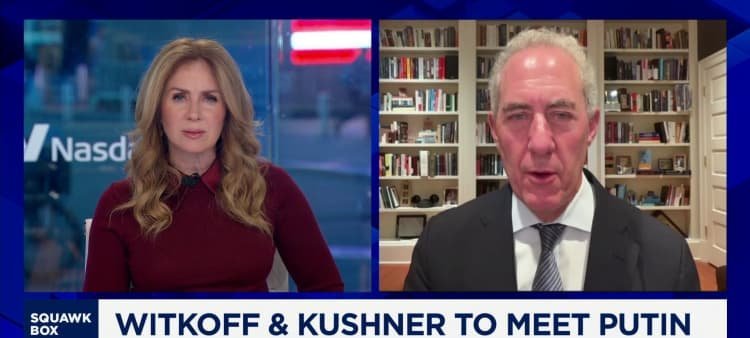
Imagem: Internet
Sticking points
The primary obstacle remains territorial control in eastern Ukraine. Moscow insists on formal recognition of its authority over areas it currently occupies, a demand Kyiv has consistently rejected. At the same time, Ukraine seeks robust international security guarantees to deter future aggression—assurances Russia views as unacceptable encroachment by NATO and its partners.
Another contentious element involves phased sanctions relief and economic ties. While Washington is open to linking sanctions rollback to verifiable progress on the ground, the Kremlin reportedly wants a faster reduction of penalties and broader discussions about commercial integration with the West. Analysts say those demands allow Russia to leverage the talks to pursue a wider diplomatic agenda beyond Ukraine.
European unease
European leaders are closely monitoring Washington’s next steps and the potential impact on unity within the NATO alliance. Many fear that bilateral U.S.-Russia bargaining could set terms that leave Europe with limited influence over security arrangements on its own continent. Those concerns have sharpened since Putin’s latest statement that Russia is “ready” for war if Europe chooses to start one, a declaration many officials characterized as an attempt to intimidate rather than an imminent threat.
For now, the diplomatic calendar remains fluid. Both Moscow and Washington signaled willingness to continue discussions, but neither outlined concrete measures to bridge the gaps that scuttled Tuesday’s session. With winter approaching and military operations continuing, the prospect of a comprehensive settlement appears distant, underscoring the risk of prolonged instability in Eastern Europe.
Crédito da imagem: Getty Images News


