Four days after the Marinera reflagged, another sanctioned vessel followed suit. The ship, now called Hyperion, had delivered Russian naphtha to Venezuela’s Amuay Bay in December while sailing under a false flag. Naphtha is required to dilute Venezuela’s heavy crude for export. Despite U.S. sanctions, the Hyperion departed Venezuelan waters without incident.
U.S. Crackdown Drives Fleet Reshuffling
The United States recently seized multiple tankers transporting Venezuelan oil in an effort to tighten sanctions on President Nicolás Maduro’s government. The clampdown coincides with President Donald Trump’s announcement that American energy firms will invest “billions of dollars” in the country’s petroleum sector if Maduro is removed from power. Chevron, ConocoPhillips and ExxonMobil are scheduled to discuss potential plans with administration officials later this week, and Trump has pledged the companies will be “reimbursed by us or through revenue.”
While Washington intensifies enforcement, tanker owners are turning to Russia for what they view as a political shield. “We are all now waiting to see whether the U.S. will be prepared to challenge Russia directly by intercepting a Russian-flagged tanker,” Meade said. Thus far, no such confrontation has occurred, though shadow fleet movements continue to test American resolve.
Some Ships Still Stuck in Venezuela
Not every newly Russian-flagged vessel has escaped Venezuelan ports. AIS records show the Premier, reflagged from Gambia to Russia on December 22, sitting empty outside the José terminal. Intelligence reviewed by Lloyd’s List suggests several other tankers are weighing similar flag switches before attempting departure.
Market observers note that shadow fleet tonnage is highly mobile. Vessels engaged in Venezuelan trades can pivot quickly toward Iranian or Russian cargoes, sectors that face their own Western sanctions. The segment now accounts for more than 12 percent of the global tanker fleet, according to Lloyd’s List, and frequently operates with minimal transparency.
Insurance and Safety Concerns
Many of the reflagged vessels sail without conventional insurance coverage. “There is no evidence that many of these vessels have insurance,” Meade said. The lack of clear liability raises the prospect of environmental and financial complications if an aging tanker suffers a spill. Industry experts warn that cleanup costs could be difficult to assign should an incident involve a ship with opaque ownership and no verified policy.
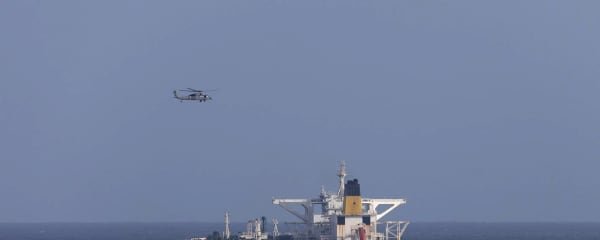
Imagem: Internet
Regulators have struggled to monitor the shadow fleet’s movements. Dozens of tankers, some carrying entirely fictitious registrations, routinely traverse the Baltic Sea and other NATO-patrolled waters. The pattern echoes similar traffic routed through the Red Sea, where vessel reshuffling followed earlier disruptions.
Russia’s Broader Role
The Kremlin’s growing registry of shadow fleet tankers coincides with changing trade flows nearer to home. Energy-consulting firm Kpler reports that since late November multiple cargoes of Russian-origin naphtha have diverted toward Venezuelan waters, idled offshore or reversed course, signaling cautious adjustments to sanction risks.
Russia’s decision to accept more tankers into its flag registry underscores a potential long-term shift toward “direct oversight and protection from Moscow,” Meade said. The unanswered question is how far Russian authorities will go to defend vessels engaged in prohibited commerce.
Global maritime regulators continue to watch the situation. The International Maritime Organization stresses that flag states are responsible for ensuring ships meet international safety and environmental standards, a principle now under scrutiny as older tankers accumulate in Russia’s fleet.
As U.S. enforcement escalates and geopolitical stakes rise, industry analysts anticipate further reflagging activity and possible rerouting of the shadow fleet toward Iran or Russia. How Washington responds to a Russian-flagged tanker carrying sanctioned cargo will likely shape the next phase of maritime sanctions strategy.
Crédito da imagem: MarineTraffic


