“Routh’s crimes demonstrate careful planning, extensive premeditation, and a willingness to kill anyone who obstructed his objective,” the government wrote. Prosecutors also emphasize Routh’s post-conviction writings, in which he expressed disdain for Trump and suggested that he lacked remorse. One note referenced a previous attempt on Trump’s life and read, “I hate our dictator missed the trial, can my appeal be heard in 30 years when he is gone.” Another filing quoted Routh inviting Trump to “pummel” him without legal consequence.
The government maintains that such statements undermine any mitigation arguments and underscore what it calls an ongoing threat to public safety. “He has never accepted responsibility,” prosecutors said, contending that only a life sentence will protect the public and reflect the gravity of targeting a presidential candidate.
Defense seeks 27 years
Since the verdict, Routh has been represented by court-appointed counsel who is asking for a 27-year term. The defense contends that Routh, who served as his own lawyer during trial, was unable to mount an effective defense and therefore did not receive a fully fair proceeding. Counsel asserts that Routh struggled to confront witnesses, introduce exhibits and present impeachment evidence regarding his intent.
The defense submission includes letters from friends and acquaintances attesting to Routh’s character. One came from Darya Trotsenko, a Kyiv resident who wrote that she met Routh when he tried to volunteer in support of Ukraine’s defense efforts. “He is an asset to his community, not a threat,” Trotsenko stated, urging the court to allow Routh the chance to reenter society.
Routh also underwent a psychiatric examination that diagnosed narcissistic personality disorder and bipolar II disorder. His attorney cites those findings as factors meriting leniency and treatment rather than a life term. A 27-year sentence, the defense argues, would still account for the seriousness of the crime while recognizing mental-health considerations.
Trial and courtroom incidents
The two-and-a-half-week trial concluded in September 2025, one year after the attempted shooting. Jurors deliberated less than a day before convicting Routh on all counts. Throughout the proceedings Routh insisted he never intended to harm Trump or any Secret Service personnel, portraying his actions as a political protest.
Moments after the verdict was announced, Routh attempted to stab himself in the neck with a pen in view of the jury. Court officers quickly intervened, and Routh was treated by medical staff before being transferred to federal custody. The incident prompted Judge Cannon to order a psychological evaluation and ultimately led to the appointment of standby counsel to assume full representation for sentencing.
Alleged conflict and failed recusal bid
Routh previously sought to have Judge Cannon removed from the case, arguing that her appointment by then-President Trump in 2020 created an appearance of bias. Cannon rejected the motion, noting that judicial appointments do not constitute an automatic conflict and that she had no personal involvement with the former president beyond standard judicial proceedings. An Administrative Office of the U.S. Courts policy states that recusal is required only when a judge’s impartiality “might reasonably be questioned.”
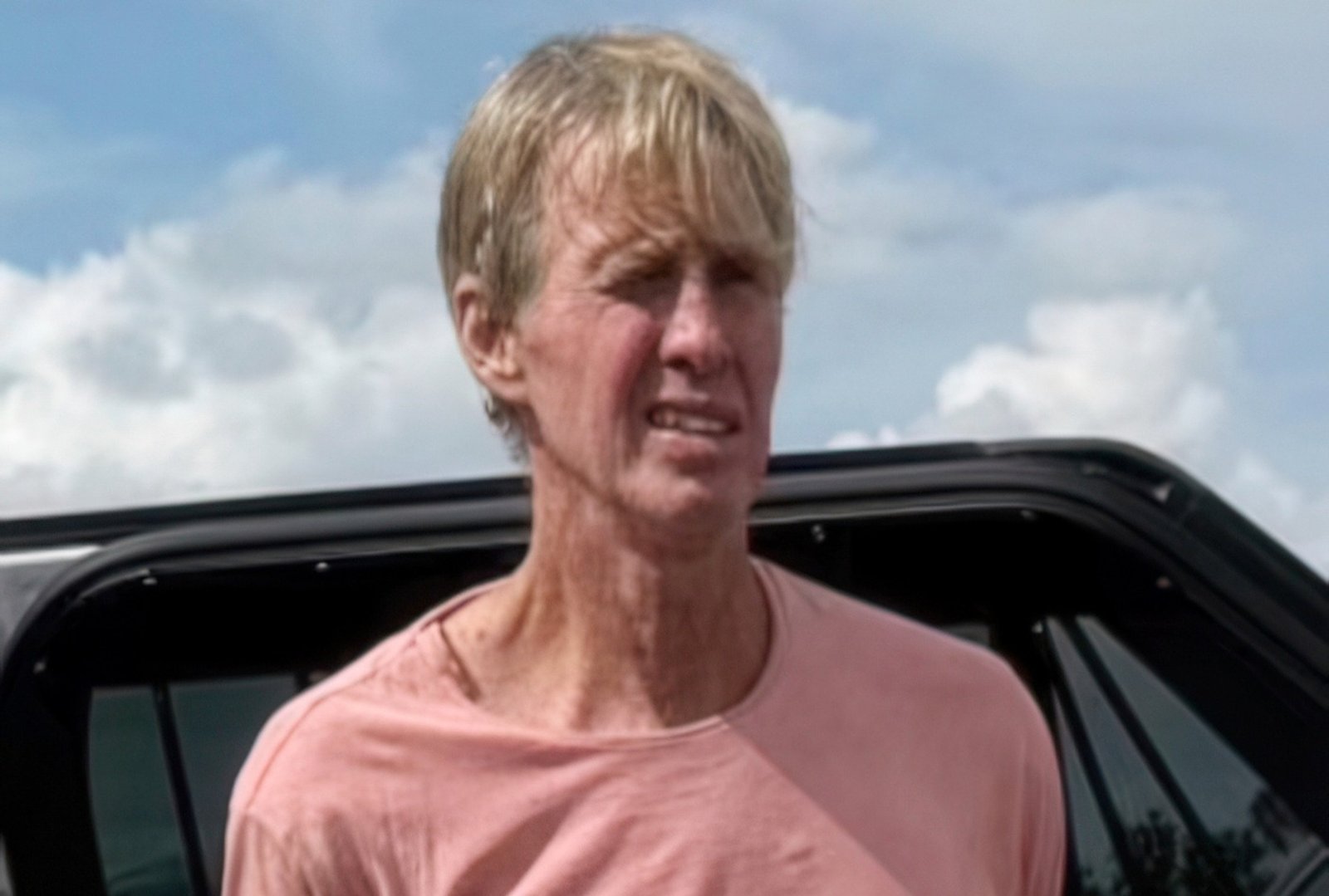
Imagem: Internet
The same judge drew national attention in 2024 when she dismissed a separate criminal case involving Trump’s retention of classified documents. Defense lawyers cited that dismissal in their recusal motion, but Cannon held that prior rulings do not establish partiality in subsequent matters.
Events at the golf course
According to trial testimony, Routh entered the Trump International Golf Club grounds before dawn on Sept. 15, 2024, carrying a semiautomatic SKS rifle, ammunition, a range finder and binoculars. Prosecutors said he spent several hours concealed in landscaping near the 15th hole, waiting for Trump to appear. A Secret Service agent noticed suspicious movement in the shrubbery and confronted Routh. Routh allegedly raised the rifle toward the agent and then toward Trump, who was approximately 120 yards away.
Agents tackled Routh as golfers nearby sought cover. No gunshots were fired, and neither Trump nor any security personnel were injured. Investigators later found notebooks at Routh’s residence outlining surveillance of Trump’s public schedule and references to political grievances over U.S. policy in Ukraine and domestic issues.
Sentencing framework
Under federal guidelines, attempted assassination of a major presidential candidate carries a potential life sentence. Judge Cannon must weigh statutory factors such as the nature and circumstances of the offense, the defendant’s history and characteristics, and the need for the sentence to promote respect for the law, provide just punishment, and protect the public.
The defense request for 27 years would leave Routh eligible for release in his late 80s, assuming standard good-conduct credits. Prosecutors counter that the severity of targeting a national political figure during an election cycle, combined with Routh’s lack of contrition, justifies permanent incarceration.
Whichever penalty is imposed, the decision will likely draw scrutiny given the high-profile nature of the case and the judge’s prior rulings involving the former president. An appeal is expected regardless of the outcome. If Judge Cannon orders a life sentence, Routh would be transferred to the Bureau of Prisons and assigned to a high-security facility; if she opts for a lesser term, the government retains the right to challenge the sentence as substantively unreasonable.
Sentencing is set for 10 a.m. Wednesday. The proceeding is open to the public, though attendance is expected to be limited due to security protocols. Court officials have indicated that a written judgment will be posted on the federal docket shortly after the hearing concludes.
Crédito da imagem: Martin County Sheriff’s Office / AP