Trump has publicly stated he will sign the legislation. Speaking to reporters Monday, the president said he was “all for it,” and a senior White House official later confirmed the bill will be signed once it arrives. Nonetheless, in a post on his social media platform Tuesday afternoon, Trump urged Republicans not to lose sight of other administration priorities, listing immigration, defense spending and inflation among the achievements he wants lawmakers to keep front and center.
Although the bill would compel a substantial release of federal records, Justice Department officials have not indicated how they will comply. On Friday, Bondi announced a renewed investigation into potential links between high-profile Democrats and Epstein, following a directive from Trump posted on the same social network. Legal experts say the new probe could become a basis for withholding portions of the files, despite a July statement from the Justice Department and FBI asserting they found no grounds to open cases against any uncharged individuals.
Sources familiar with internal discussions expect the department to retain documents tied to ongoing inquiries or subject to executive privilege claims. Such carve-outs are common when Congress demands records involving sensitive law-enforcement techniques, classified information or presidential communications. According to the Justice Department’s Office of Information Policy, agencies may lawfully withhold records that could interfere with active investigations or reveal protected personal data.
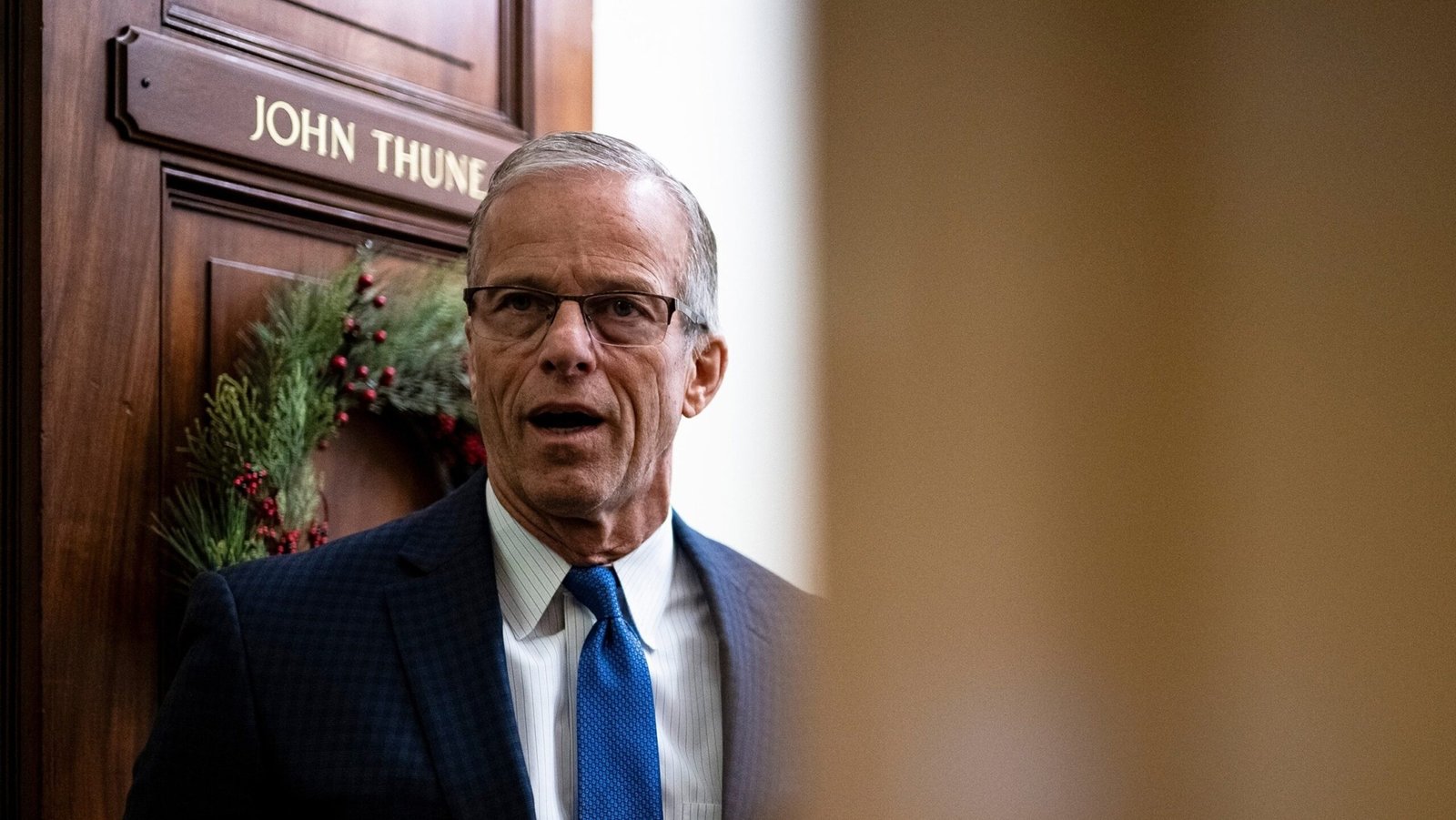
Imagem: Internet
Tuesday’s developments drew an emotional response from victims and advocates gathered for a Capitol Hill vigil. Moments after New Mexico Representative Teresa Leger Fernandez informed attendees of the Senate’s decision, survivors and several Democratic lawmakers embraced, cheering the unanimous vote that had just been tallied across the Rotunda.
The measure’s swift advancement reflects months of congressional pressure following Epstein’s 2019 death in federal custody and Maxwell’s 2021 conviction on sex-trafficking charges. Lawmakers have repeatedly criticized what they describe as inconsistent disclosure practices by successive administrations and the Justice Department. Senate Majority Leader John Thune, addressing reporters after the vote, said the chamber wanted to remove any lingering doubts about its commitment to transparency.
Once signed, the law will impose a firm deadline on the Justice Department, although compliance could still be litigated if officials invoke statutory exemptions. Any dispute over redactions or withholding would likely unfold in federal court, where judges balance public interest against privacy, national security and investigative integrity. For now, supporters of the bill view it as the most definitive step Congress has taken to illuminate the federal government’s handling of the Epstein matter.
Crédito da imagem: Bloomberg via Getty Images


