The remaining legislative steps
The Senate must still vote on the revised bills before government funding expires at 11:59 p.m. on Friday. Even if the chamber approves the measures, a brief partial shutdown remains possible because the House of Representatives is in recess until Monday and would have to return to consider the Senate’s legislation.
House Speaker Mike Johnson acknowledged the timing challenge, telling reporters at an unrelated event that recalling lawmakers before Monday “may not be possible” because of logistical constraints. Johnson said he had not yet seen full legislative text but indicated resistance to Democratic proposals aimed at restricting certain DHS practices, including prohibiting agents from wearing face coverings and mandating the use of body-worn cameras.
“If there is a short-term shutdown, I think we’ll get it reopened quickly,” Johnson said when asked about the likely sequence of events.
How the agreement emerged
On Thursday morning, Senate Democrats and several Republicans voted 55–45 to block a six-bill spending package that included DHS funds, leaving negotiators under heightened pressure to find an alternative before the deadline. The failed cloture vote fell short of the 60 votes required to advance the earlier measure.
Democrats then presented a list of changes they want considered for the DHS bill, including:
- Ending so-called roving patrols by immigration enforcement officers;
- Applying to federal agents the same use-of-force standards that govern state and local police;
- Requiring agents to operate without face coverings during routine interactions; and
- Mandating body-worn cameras during enforcement activities.
Negotiators told colleagues these provisions warrant additional debate that should not jeopardize funding for agencies unrelated to border and immigration operations. By early evening, enough Republicans appeared willing to support a new framework that removes DHS from the larger bundle, enabling the bipartisan accord announced by Democratic leaders.
Context of the Minneapolis incidents
Momentum to carve out DHS funding accelerated after two high-profile shootings in Minneapolis linked to federal officers. Renee Good, a mother of three, was killed earlier this month, and intensive care nurse Alex Pretti died last weekend in a separate incident. Both cases remain under investigation, but the deaths prompted renewed scrutiny of DHS enforcement tactics and fueled Democratic demands for accountability measures.
Legislators also cited reports from attorneys in Minnesota alleging that detainees in federal custody were denied timely access to legal counsel, further heightening concern about DHS oversight.
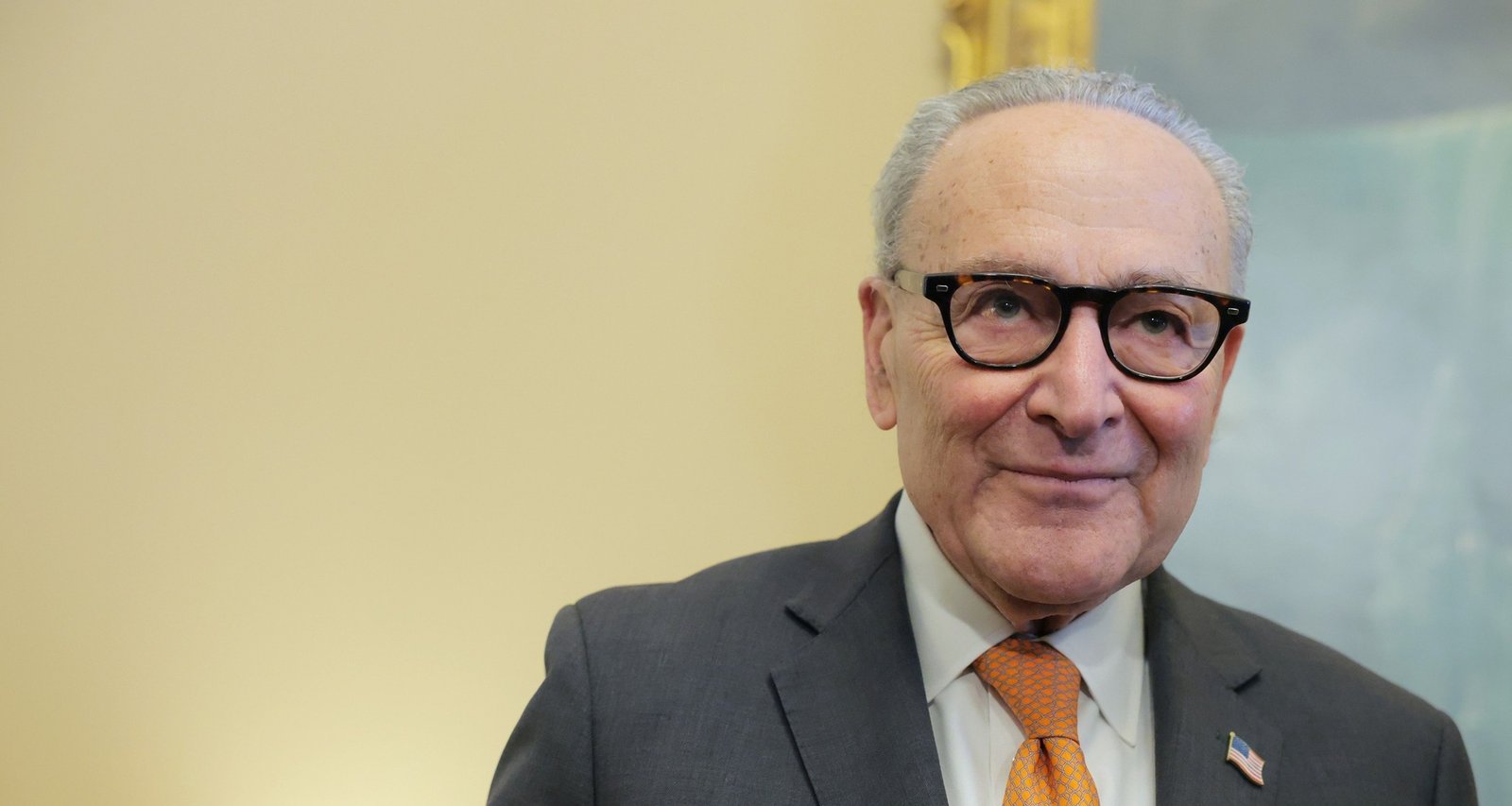
Imagem: Internet
White House and leadership positions
President Donald Trump expressed guarded optimism during a Cabinet meeting Thursday afternoon, stating that negotiators were “getting close” to avoiding a shutdown and emphasizing the need for bipartisan cooperation.
Senate Minority Leader Chuck Schumer, the chamber’s top Democrat, worked with appropriators and White House officials throughout the day to craft the two-track funding approach. Although final vote tallies had not been set when the deal was announced, aides said floor action could begin as soon as Thursday night, with procedural votes and potential amendments possible.
Potential impacts and precedent
Because the House would still need to act, federal agencies could face a funding gap of at least 48 hours if the Senate completes work before the lower chamber reconvenes. Essential services would continue, but many employees could receive furlough notices if a continuing resolution is not in place by the deadline. A Congressional Research Service analysis notes that even brief shutdowns can delay procurement, hinder grant processing, and create backlogs in administrative workloads.
Previous short shutdowns, including the two-day lapse in January 2018, illustrated how quickly federal operations can be disrupted and how costly retroactive pay obligations can become once agencies resume full activity. Lawmakers on both sides said those experiences underscored the importance of maintaining government funding, even if final policy disputes remain unresolved.
Next steps
If the Senate adopts the five-bill package and the two-week DHS extension, House leaders must decide whether to schedule immediate votes upon members’ return or attempt to secure unanimous consent for faster consideration. Speaker Johnson indicated willingness to move “as quickly as we can” but did not commit to a specific timeline.
Meanwhile, Democratic appropriators said they will use the added two-week period to negotiate with the White House and key Republicans over the proposed DHS oversight language. Any final agreement would need to clear both chambers once again before the temporary funding expires in mid-February.
If lawmakers fail to reach consensus by that second deadline, Congress could confront another shutdown standoff, this time focused exclusively on DHS.
Crédito da imagem: Anna Moneymaker/Getty Images