Uncertain Weekend Agenda
Senator Katie Britt, an Alabama Republican on the Appropriations Committee, said her party hoped to force debate on a stopgap bill that would include three full-year spending measures if Democrats granted unanimous consent to speed consideration. Without that accord, senators warned that a procedural slog could consume valuable floor time without guaranteeing success. “We have to have something to vote on,” Senator Markwayne Mullin of Oklahoma remarked, emphasizing that any extended debate could carry deep into next week.
Some lawmakers began making travel inquiries on Friday evening, an indication that prospects for meaningful votes were dim. Still, leadership kept senators on notice to return by noon Saturday in case a bipartisan deal materializes overnight.
Bill to Pay Working Federal Employees Fails
Frustration over the impasse spilled onto the Senate floor when a measure to compensate federal employees who remain on duty during the shutdown fell short of the 60 votes needed for cloture. The bill, authored by Senator Ron Johnson of Wisconsin, was defeated 53–43 despite support from every Republican and three Democrats. Opponents argued the proposal gave the administration broad discretion over fund distribution and might reduce pressure to reopen the government entirely.
During debate, Johnson urged colleagues to consider the strain on air-traffic controllers, border agents and other essential personnel who have missed multiple paychecks. Senator Ted Cruz, chair of the Transportation Committee, warned that prolonged staffing shortages could jeopardize aviation safety. Democratic Senator Gary Peters countered that workers were being used “as pawns” instead of receiving the certainty that only a full funding agreement would provide.
Court Keeps SNAP Funding Intact
Outside the Capitol, shutdown effects continued to ripple through domestic programs. A federal appeals court declined to lift a lower-court order requiring the Trump administration to fully fund Supplemental Nutrition Assistance Program (SNAP) benefits for November. Following the ruling, nine states—Kansas, Pennsylvania, Wisconsin, Vermont, New Jersey, Minnesota, Connecticut, New York and North Carolina—reported that they had begun issuing payments.
The agriculture sector and anti-hunger advocates had raised alarms that lengthy disruption could impede food assistance for millions. The Center on Budget and Policy Priorities, a nonpartisan think tank, estimates more than 40 million Americans rely on the program each month.
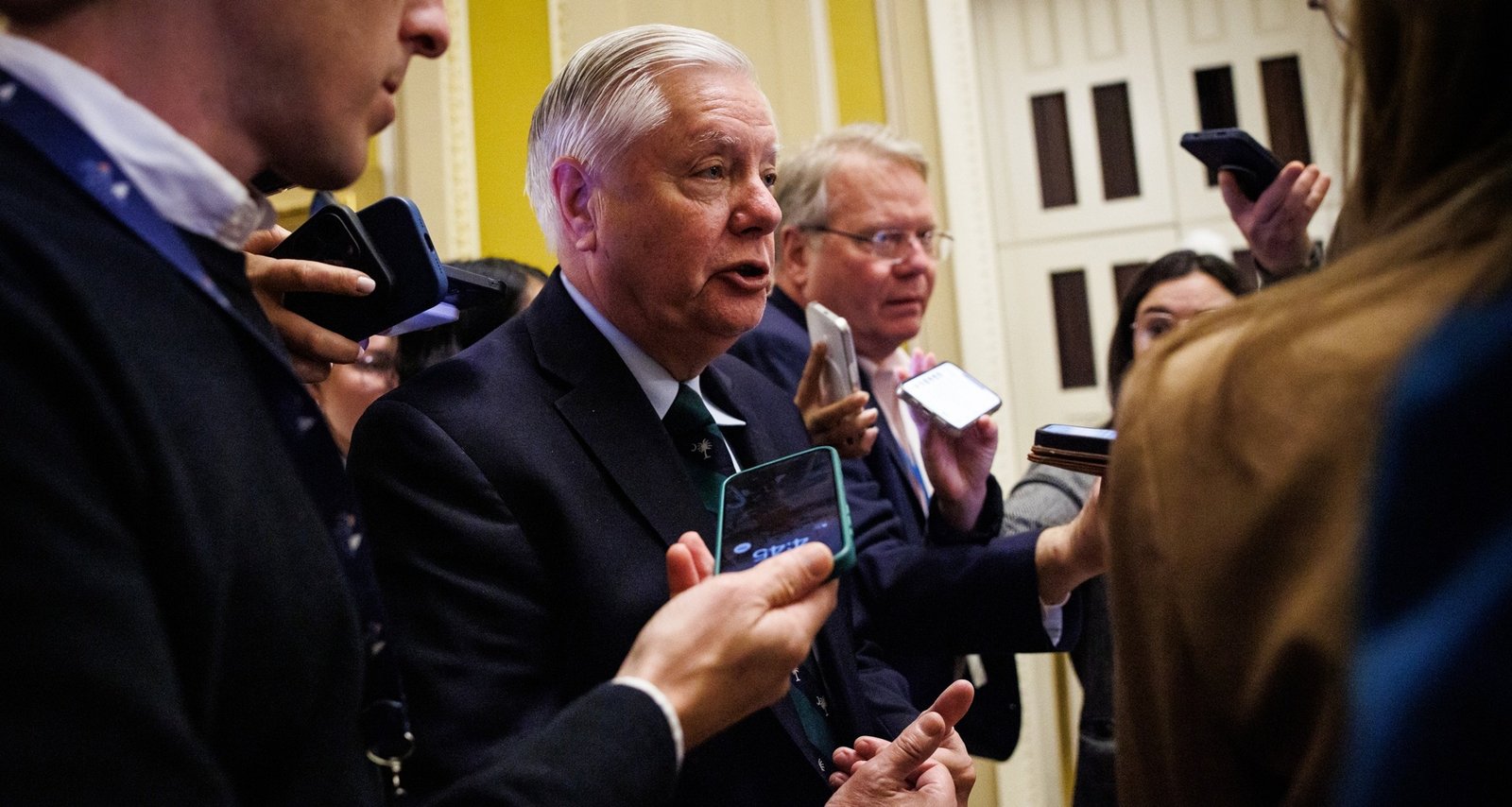
Imagem: Internet
Mounting Operational Strains
The shutdown’s broader footprint continues to widen. Air-traffic controller staffing has dipped below critical thresholds, causing flight delays at several major hubs. National parks remain partially closed, hundreds of thousands of workers face furloughs or unpaid shifts and many contractors have halted projects. Analysts project that each unpaid day reduces fourth-quarter gross domestic product growth, though precise figures vary.
White House and Congressional Messaging
Earlier Friday, former President Donald Trump urged Senate Republicans not to adjourn until an agreement is struck, echoing pleas from conservative activists to leverage the shutdown for longer-term spending concessions. Democrats, led by Senate Minority Leader Chuck Schumer, insisted the House-passed funding bills already on the table should receive an up-or-down vote without policy riders, including the ACA provision.
With neither side signaling movement, the standoff now hinges on whether leadership can find a procedural opening acceptable to at least nine senators across the aisle. Failure to advance a CR or a targeted funding patch would push the closure into an unprecedented sixth week.
Possible Next Steps
Senate rules allow any member to offer a short-term spending amendment, but doing so without unanimous consent triggers extended debate and multiple cloture votes. Republicans have floated a measure funding the government through early January, paired with the defense, military construction and veterans affairs appropriations bills. Democrats counter that such a framework leaves domestic agencies under temporary authority while locking in defense spending hikes.
As the shutdown continues, federal offices plan to update contingency protocols. The Office of Personnel Management has warned agencies to prepare for reduced services beyond those previously deemed essential, indicating that additional employees could soon be furloughed if no agreement is reached.
Both chambers remain scheduled in pro forma sessions through next week, allowing swift recall should negotiators strike a deal. For now, however, the Senate is set to reconvene at noon on Saturday without a defined agenda, underscoring the uncertainty surrounding the longest shutdown in American history.
Crédito da imagem: Samuel Corum/Getty Images


