Next Steps in the House
Should the bill clear the Senate, it will be transmitted to the House, which has been in recess since September 19. Speaker Johnson told Republican lawmakers during a closed conference call Monday that they should return to the Capitol immediately to ensure sufficient attendance for a mid-week vote. Once the legislation arrives, it must pass through the Rules Committee, receive a procedural vote on the floor and undergo limited debate before final consideration.
In a separate television interview Monday afternoon, Johnson said he believes the majority of House Republicans will support the Senate package. He cautioned, however, that the chamber will follow a “deliberate process” aimed at securing consensus. Johnson has repeatedly declined to guarantee specific deadlines or outcomes for any bill, including proposals tied to health-care subsidies.
Affordable Care Act Subsidies Remain Contested
The status of expanded Affordable Care Act (ACA) tax credits, which are set to expire at the end of the year, remains a point of contention. Senate negotiators incorporated a non-binding commitment to hold a separate vote on extending the subsidies, a move sought by many Democrats. Speaker Johnson has not pledged to schedule such a vote in the House.
House Minority Leader Hakeem Jeffries told reporters Monday that Democrats are exploring the possibility of filing a discharge petition to force consideration of an extension. Under House rules, a successful petition requires 218 signatures, meaning at least a handful of Republicans would need to join all Democrats. Several GOP members have publicly backed a one-year continuation of the credits, but party leaders have not endorsed the move. According to the Office of the Clerk, discharge petitions are a rarely used mechanism that bypasses leadership control over the floor agenda (official guidance).
Jeffries declined to comment on whether he was disappointed that eight Democratic senators voted with Republicans to advance the spending bill. He stated that his focus remained on “delivering for the American people,” particularly on health-care affordability. When asked whether the prolonged shutdown justified the current brinkmanship, he replied that “the fight lives on,” without elaborating.
Attendance and Timing Pressures
Both chambers face logistical challenges related to member travel and procedural timing. The Senate’s Monday vote series coincides with Veterans Day observances, complicating flight schedules for lawmakers based outside Washington. In the House, leadership is monitoring return plans closely; absences among either party could affect the margin on final passage.
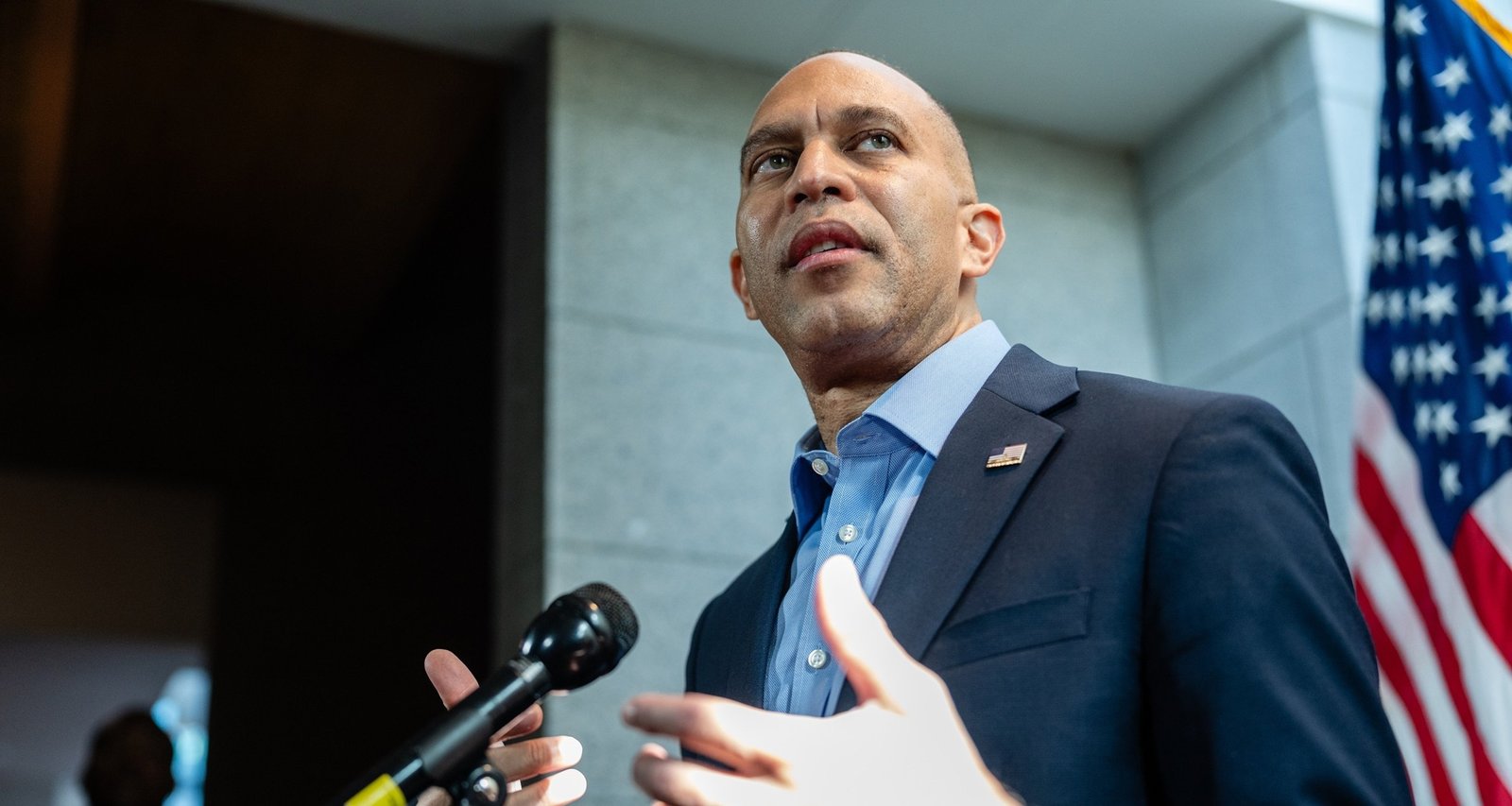
Imagem: Internet
Federal workers have now missed six weekly pay periods, and many agencies have curtailed operations or furloughed employees. Essential services such as air traffic control, border security and military readiness continue, but funding gaps have forced other departments to suspend grant processing, hiring and routine oversight.
Political Calculus
Republican leaders have argued that the shutdown was necessary to secure spending cuts and policy concessions, while Democrats have emphasized the economic impact on federal employees and contractors. Negotiators from both parties indicated that the current bill is strictly a stopgap measure and that broader appropriations talks will resume once the government reopens.
Markets have shown modest volatility during the standoff, but credit-rating agencies have warned that an extended lapse could raise borrowing costs and slow economic growth. Business groups have urged swift passage of the continuing resolution to provide certainty through the holiday season.
Outlook
If the Senate passes the bill Monday night, the House could initiate its procedural steps Tuesday, setting up a possible final vote Wednesday. Any amendments adopted in the House would require Senate concurrence, but leadership in both chambers has signaled a preference for a clean bill to avoid further delays. Should the measure clear Congress, it would be sent to President Joe Biden for signature, immediately restoring funding and allowing federal employees to return to work.
Officials have not provided a detailed timeline for back pay, but past shutdowns have typically seen compensation distributed within days of government reopening. Negotiations on full-year appropriations and policy riders are expected to continue into December.
Crédito da imagem: J. Scott Applewhite/AP


