A senior Democratic lawmaker familiar with internal discussions said the caucus has accepted that the current phase of the fight over health-care subsidies is effectively over. While party leaders are likely to vote against the bill, rank-and-file Democrats appear willing to allow debate to begin. Some senators intend to carry the health-care dispute into the 2026 midterm campaign, arguing that Republicans have refused to address looming premium increases for millions of Americans.
Possible Changes During Debate
If Sunday’s cloture vote succeeds, the Senate will formally open debate on the funding legislation. Lawmakers from both parties have signaled interest in several amendments:
- Extending the bill’s expiration date from November 21 to January 31.
- Attaching the three full-year appropriations bills for Military Construction–Veterans Affairs, the Legislative Branch, and the Department of Agriculture.
- Adding language guaranteeing a floor vote, by a specified deadline, on a separate measure to extend Affordable Care Act subsidies.
- Including provisions to reverse certain reductions in force imposed on federal workers during the shutdown.
The chamber could process the measure quickly only if all 100 senators agree to expedite consideration. Otherwise, the amendment process and mandated debate time could keep the Senate occupied for up to a week. Detailed information on cloture procedures is available from the Congressional Research Service, which tracks legislative rules.
House Still Needs to Act
Even if the Senate completes work on the bill, the government would not reopen immediately. The House of Representatives has been out of session since late September. Speaker Mike Johnson would need to recall members to Washington to consider the Senate-passed measure. Only after House approval could the legislation proceed to President Donald Trump for signature.
House leadership has not publicly committed to a return schedule, and the timing could influence how quickly furloughed federal employees receive back pay and when suspended services resume. Agencies ranging from national parks to passport offices remain closed or constrained, while hundreds of thousands of workers have missed multiple pay periods.
Political Calculus
The ongoing shutdown began after Senate Democrats initially demanded that any stopgap funding plan include a direct extension of Affordable Care Act subsidies. Republicans offered instead to schedule a later vote on health-care aid without tying it to immediate spending. That standoff triggered the funding lapse on October 1 and has since disrupted a range of government operations.
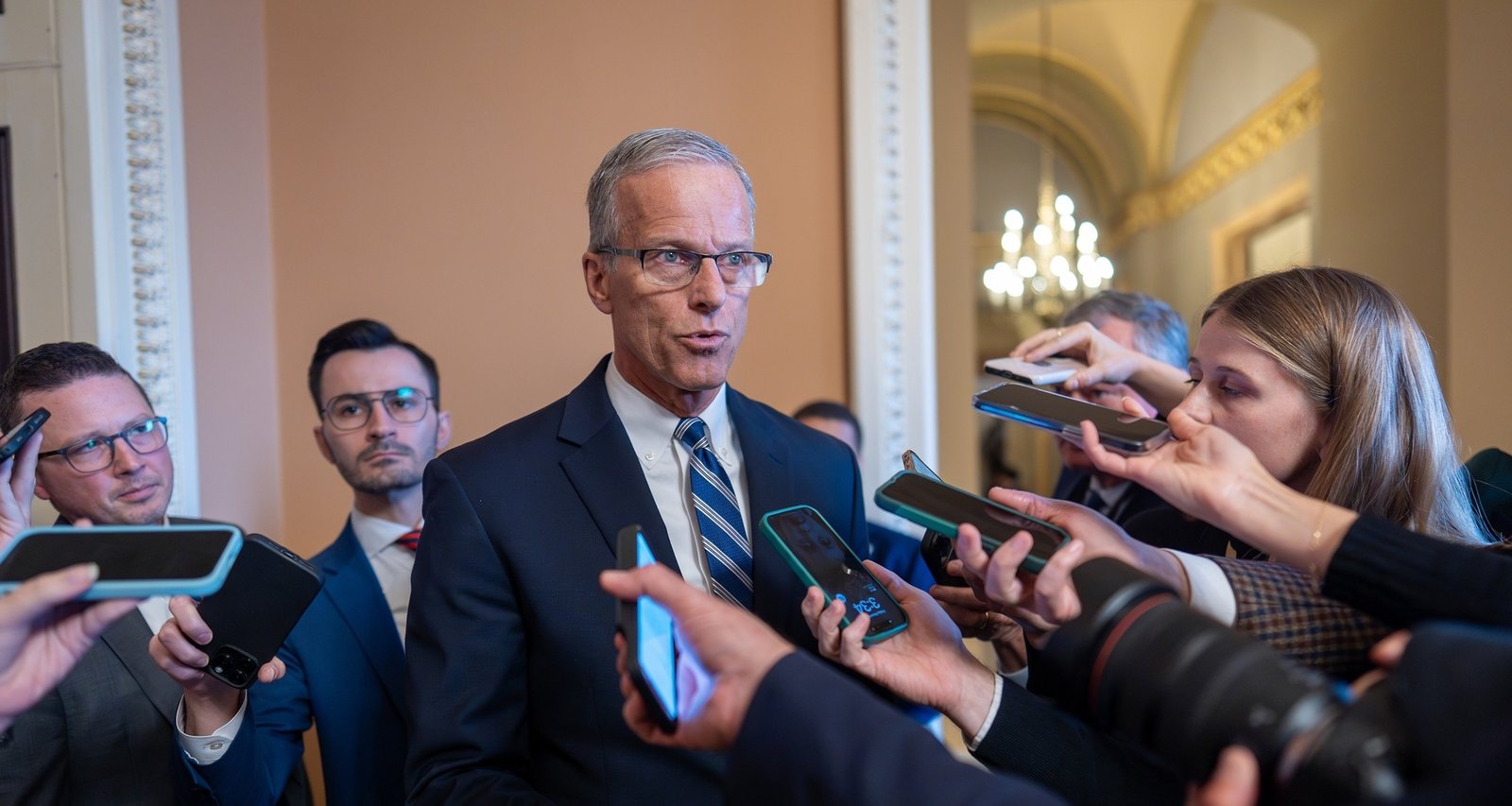
Imagem: Internet
Behind the scenes, negotiators from both parties acknowledge dwindling leverage as the shutdown’s economic and logistical toll mounts. Business groups, state governments, and veterans organizations have pressed Congress to restore federal services, and credit-rating agencies have warned of potential consequences if the impasse continues.
In earlier attempts to advance a similar measure, the Senate fell short when most Democrats, unified around the subsidy demand, voted no. The expected shift by several additional Democrats underscores mounting pressure to reopen agencies before the holiday season, even without a guaranteed fix on health-care costs.
Still, Democratic leaders intend to highlight the subsidy issue during the 2026 campaign, portraying Republicans as unwilling to protect consumers from higher premiums. Republicans, for their part, argue that the short-term funding bill provides stability while allowing further debate on healthcare policy under regular order.
Should the Senate clear Sunday’s hurdle and complete work on the bill next week, attention will turn to the House timetable. If Speaker Johnson calls members back promptly and the chamber adopts the Senate version without changes, federal operations could resume within days. Any alterations, however, would require another round of bicameral negotiations, risking further delays.
Until both chambers agree, agencies covered by lapsed appropriations will remain shuttered, contract payments will be suspended, and many federal workers will stay on unpaid furlough. The looming holiday travel season and approaching winter storms heighten public scrutiny, adding urgency to congressional efforts to reach a temporary resolution.
Crédito da imagem: J. Scott Applewhite/AP


