The six newly approved states join Arkansas, Idaho, Indiana, Iowa, Nebraska and Utah, which obtained similar waivers earlier this year, and Texas, Oklahoma, Louisiana, Colorado, Florida and West Virginia, which received approval in August. All 18 states plan to implement their revised SNAP purchasing rules in 2026, although individual timetables and enforcement mechanisms may differ.
Under current federal law, SNAP benefits can be used to buy most food and beverage products, excluding alcohol, hot prepared meals and a limited set of other items. The MAHA waivers allow states to add categories of foods—primarily those high in added sugars, sodium or saturated fat—to the ineligible list. Each state will submit a detailed product list and monitoring plan to the USDA’s Food and Nutrition Service before implementation. According to program documents, beneficiaries who attempt to purchase restricted items will have those products automatically blocked at the point of sale, similar to existing controls on alcohol and tobacco.
Supporters of the policy argue that limiting SNAP spending on processed snacks and sugary drinks will steer low-income households toward more nutritious choices and help curb soaring healthcare costs tied to diet-related disease. Opponents, including some nutrition advocates, warn that the restrictions could stigmatize recipients and reduce personal choice without guaranteeing healthier diets. The USDA said it will collect data from participating states to evaluate health outcomes, purchasing patterns and administrative costs during the first three years of the waiver period.
Rollins’s announcement also referenced the USDA’s “Laboratories of Innovation” program, launched on her first day in office, which invites governors to propose state-driven changes to federal nutrition programs. The MAHA waivers represent the largest policy shift to emerge from that initiative to date. Additional states are expected to apply for similar authority in 2026 as early results become available.
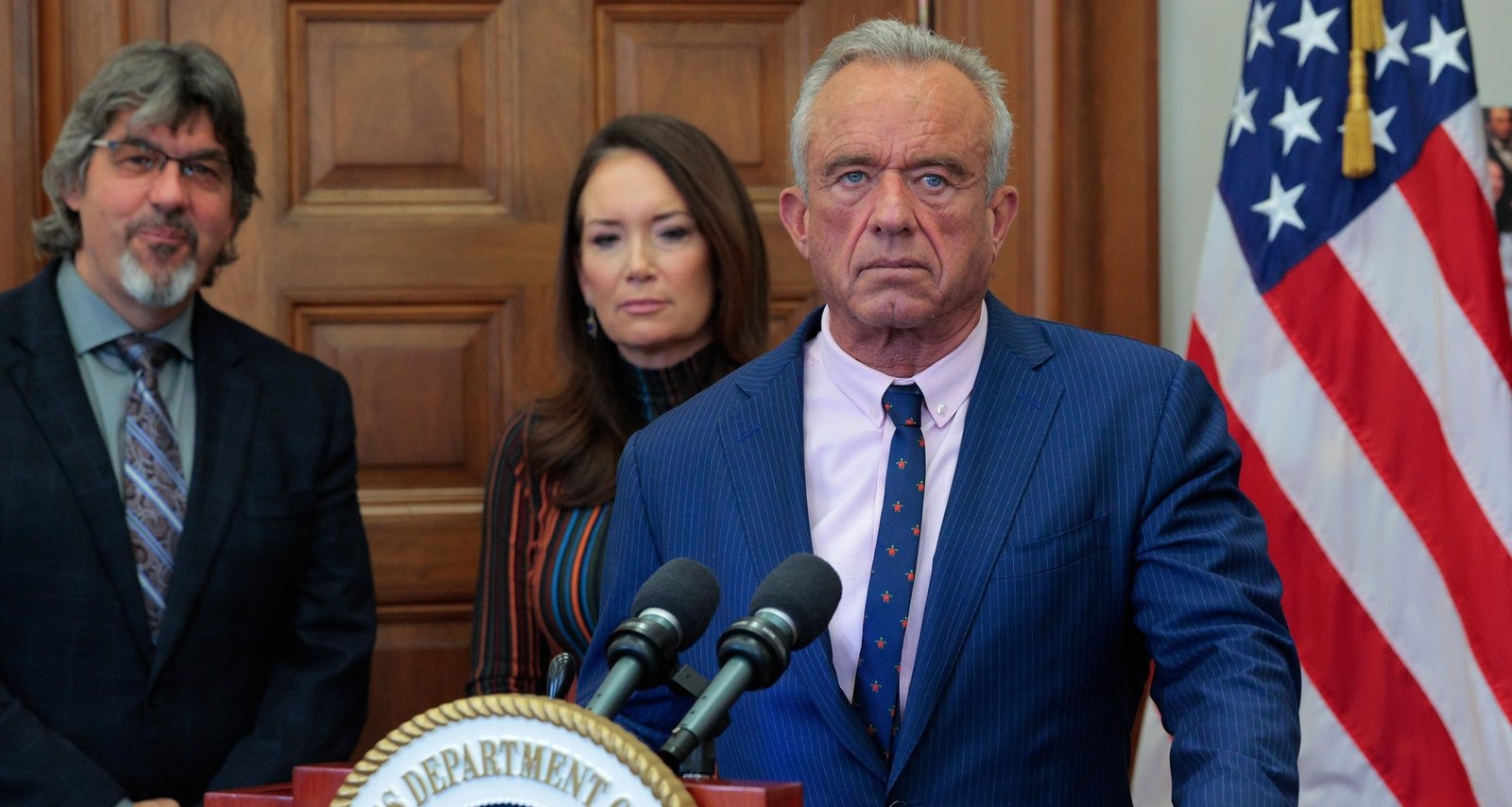
Imagem: Internet
SNAP, formerly known as the Food Stamp Program, served an average of 41.2 million people per month in fiscal year 2024, according to the USDA. The program’s annual cost exceeded $119 billion, making it the nation’s largest anti-hunger initiative. More information about current SNAP eligibility rules and benefit levels is available on the USDA Food and Nutrition Service website (fns.usda.gov/snap).
At the federal level, no uniform definition of “junk food” exists, so each waiver state must consult nutrition guidelines from the Centers for Disease Control and Prevention and the Dietary Guidelines for Americans to determine its prohibited items. The USDA emphasized that staple foods such as fresh produce, meat, dairy, grains and infant formula will remain fully eligible.
State agencies plan to coordinate with retailers to update point-of-sale systems well in advance of the 2026 rollout. Retailer compliance will be monitored through transaction audits and on-site inspections. Households affected by the new rules will receive mailed notices and outreach through community partners explaining the forthcoming changes.
Although the MAHA waivers focus on restrictions, Rollins noted that federal and state governments are simultaneously exploring incentives to encourage fruit and vegetable consumption, such as additional benefits redeemable exclusively for fresh produce. Details on those supplemental incentives have not yet been finalized.
Crédito da imagem: Chip Somodevilla/Getty Images


