While the videos did not specify exact accumulation totals, images showed roadways, vehicles and vegetation lightly coated with snow. The network emphasized that even minor accumulations in the Panhandle can disrupt travel and routine activities because regional infrastructure is primarily designed for warmer weather. During the segment, anchors noted that local officials were monitoring bridges and overpasses for icing hazards and advising motorists to proceed with caution.
The on-air forecast also highlighted the role of strong northerly winds behind the arctic front. Forecasters said those winds would funnel cold, dense air from Canada into the central and eastern United States, reinforcing existing below-average temperatures. As the system advanced, meteorologists warned that wind-chill values could fall well below the actual thermometer readings in several states, including parts of the Mid-Atlantic and Northeast.
In addition to snow, the network’s meteorologists discussed the possibility of a wintry mix—an intermittent combination of snow, sleet and freezing rain—developing along the front’s southern edge. Such mixed precipitation, they noted, poses a heightened risk of slick roadways because even a thin glaze of ice can sharply reduce traction. The forecast advised viewers in the Carolinas, Georgia and sections of the Tennessee Valley to stay alert for evolving advisories and potential travel disruptions.
Forecasters further explained that the arctic air was expected to linger for several days. Daytime highs in many eastern states were projected to remain below seasonal averages, while overnight lows could dip into the teens or single digits in the interior Northeast and upper Appalachians. The prospect of extended cold led the anchors to remind viewers about protecting pipes, checking on vulnerable neighbors and ensuring pets had adequate shelter.
Although the video segments focused primarily on immediate impacts, the network briefly addressed potential cascading effects. Prolonged low temperatures, the presenters said, can stress regional power grids as demand for heating rises. Utility companies in multiple states were reported to be preparing contingency plans, though no specific outages had been confirmed at the time of broadcast.
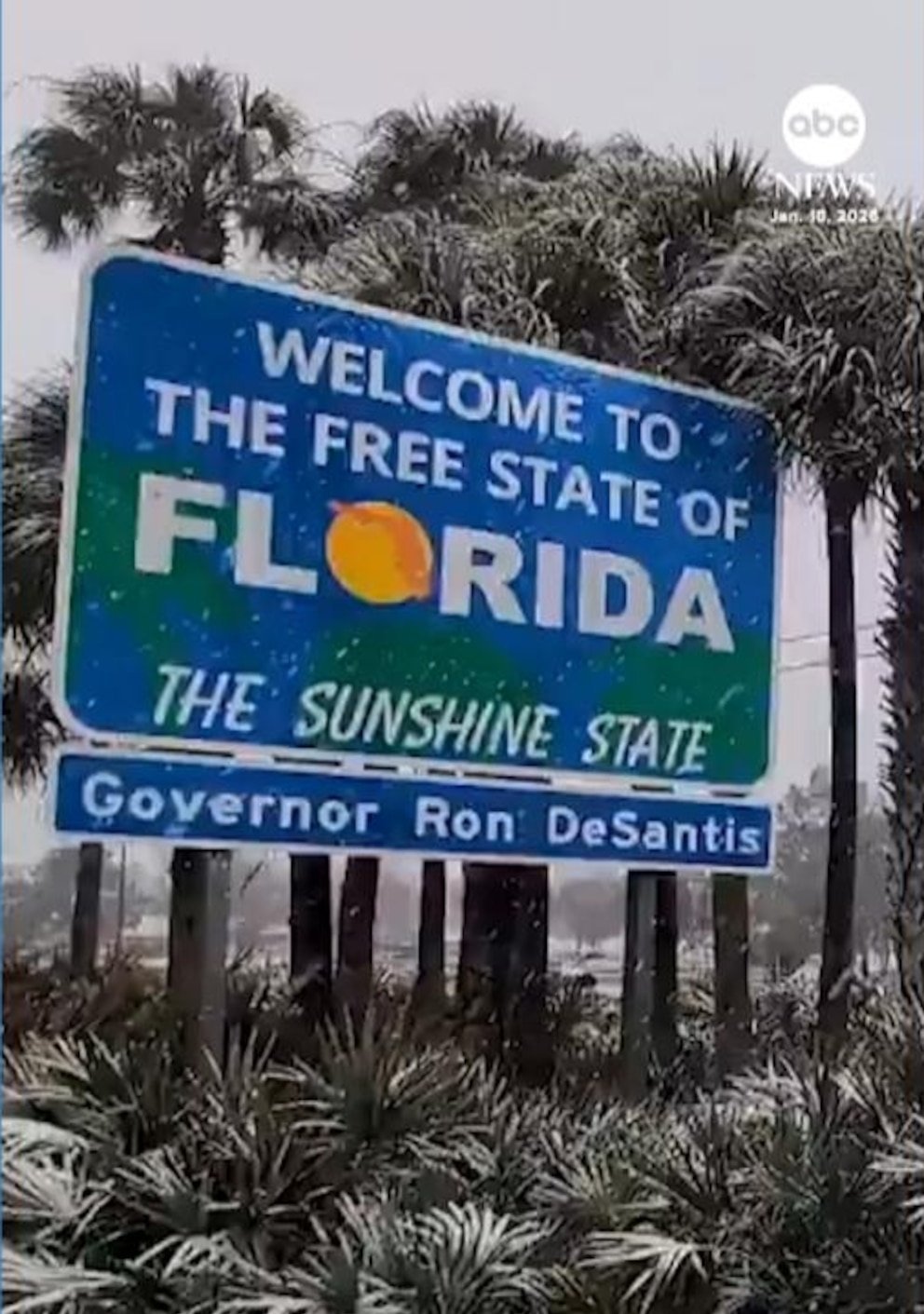
Imagem: Internet
The January 17 report also placed the snowfall in Florida and Alabama within the larger context of an already active winter season. Earlier in the month, similar outbreaks delivered snow to portions of the Mid-South and Ohio Valley. The pattern, commentators noted, suggested a continued propensity for cold-air intrusions deep into the southeastern United States.
Public safety officials interviewed during the coverage reiterated standard winter weather precautions: limiting time outdoors during periods of extreme wind-chill, dressing in layers, and carrying emergency kits in vehicles. The videos showed local road crews pre-treating highways with brine solutions and staging plows where feasible, although equipment inventories in the Panhandle and southern Alabama are limited compared with northern states.
Looking ahead, the network stated that forecast models pointed to another disturbance forming over the central Plains, which could merge with the existing arctic front and generate a second round of snow or mixed precipitation along the Interstate 95 corridor. The timing of that potential event was projected for late in the workweek, dependent on the track and intensity of upper-level energy moving out of the Rockies.
For viewers seeking additional information on winter weather terminology or advisory criteria, the National Weather Service provides detailed explanations and real-time alerts on its official website weather.gov.
As the arctic outbreak progresses, ABC News Live indicated it would continue to update forecasts and field reports. The network encouraged residents in affected areas to monitor local advisories and prepare for rapidly changing conditions, especially where snowfall is uncommon and infrastructure for snow removal remains limited.
Crédito da imagem: ABC News Live


