
Reports from classrooms, workplaces and casual conversations are pointing to a shared worry: adults who once moved easily through dinners, meetings and small talk now hesitate before accepting an invitation or stumble through ordinary dialogue. The behavior often is labeled as new-found antisociality or emerging social anxiety, yet researchers and clinicians suggest a different explanation. They describe a population that has drifted away from consistent face-to-face contact and, as a result, lost some of the conditioning that keeps in-person interaction effortless.
What Social Deconditioning Means
In physiology, deconditioning occurs when a muscle or cardiovascular system adapts downward after prolonged underuse. Specialists in human behavior are borrowing the term to explain what happens when daily life no longer requires regular exposure to facial expressions, eye contact, synchronized breathing or the subtle repairs that follow misunderstandings. According to Social Baseline Theory, introduced by James Coan and David Sbarra in 2015, human beings evolved to regulate stress through proximity to others. Remove that proximity, and the nervous system has to work harder to manage ordinary strain.
The shift coincides with a measurable change in how Americans spend their time. The U.S. Bureau of Labor Statistics finds that a small fraction of the average day is now dedicated to in-person socializing, while hours devoted to digital media keep rising. Epidemiologists note that when an exposure—in this case screen-based communication—reaches most of the population, it can reshape baseline behavior in ways individuals may misinterpret as personal shortcomings.
Digital Contact Is Real but Incomplete
Email, texting, video chats and social platforms allow families, friends and marginalized groups to stay connected across distance. Experts emphasize that these bonds are authentic; the question is not whether they matter but whether they fully satisfy biological systems calibrated for three-dimensional presence. Micro-expressions, shared physical space and the cadence of speech are difficult to replicate on a screen, leaving some people feeling inexplicably undernourished even after a day full of online exchanges.
That gap carries health implications. A 2023 advisory from the U.S. Surgeon General framed social connection as a public-health determinant on par with diet or exercise, citing links between isolation and higher risks of depression, cardiovascular disease, cognitive decline and early mortality. Separate work by Oxford University psychologists Andrew Przybylski and Netta Weinstein showed that simply placing a mobile phone on a table can reduce perceived closeness during conversation, underscoring how digital cues can dilute in-person attention.
Misreading Discomfort as Personal Failure
The line between temporary discomfort and a clinical disorder is important, specialists say. Feeling rusty in conversation does not automatically equal social anxiety. Instead, it may reflect an environment that has gradually removed routine interpersonal practice: impromptu chats with strangers, unhurried meals without devices, or showing up at a neighbor’s door unannounced. Adults who adopted remote work, on-demand delivery services and streaming entertainment experienced the same reduction, even if the change felt convenient rather than disruptive at the time.
Rebuilding Stamina Through Small Steps
Because deconditioning is an adaptation, experts argue that it is reversible. The recommended approach mirrors physical training: start with movements manageable enough to repeat, then increase exposure.
Brief spontaneous exchanges. Greeting a passerby, thanking a cashier or chatting with a colleague for one extra minute helps rebuild tolerance for the unpredictability of live conversation.
Use voice when possible. Research led by Leslie Seltzer at the University of Wisconsin demonstrated that hearing another person’s voice triggers hormonal changes associated with bonding and stress relief—responses that did not appear during text-only communication.
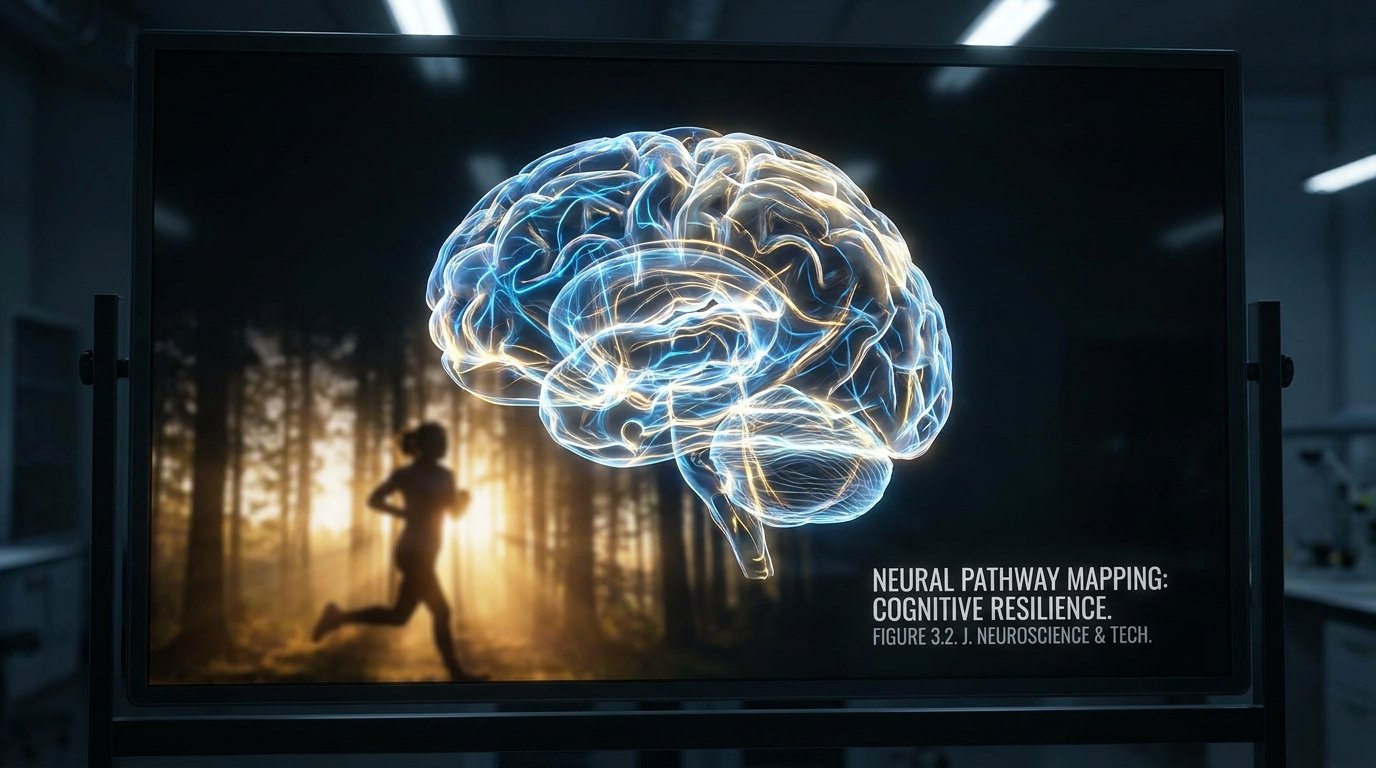
Imagem: exercise and brain health
Remove digital exits. Setting a phone out of sight for a single discussion can restore full attention, a resource now rare enough that many people notice the difference immediately.
Join shared activities. Walking groups, community classes, volunteer projects and faith gatherings supply a structure in which relationships form naturally, reducing pressure to perform socially on demand.
Reframe unease. Interpreting awkward moments as signs of skill rebuilding rather than evidence of defect can lower self-criticism and encourage continued practice.
Wider Implications
Psychologists warn that social deconditioning is not confined to any specific generation. University students may voice it most openly, but similar patterns emerge among professionals in their forties and fifties who alternate between home offices and digital leisure. The common element is a decrease in embodied community paired with near-constant online connection. As the balance tips toward screens, the nervous system receives fewer of the regulatory signals it evolved to expect from co-present humans.
None of the experts surveyed describe the trend as a moral concern. Instead, they frame it as a predictable by-product of technological convenience and modern work patterns. The solution, they argue, is not a wholesale rejection of digital tools but a deliberate reintroduction of regular, low-stakes face-to-face contact—enough to remind the body how to share space comfortably with others.
Over time, each greeting, shared laugh and uninterrupted conversation operates like a micro-workout for social fitness. While no single exchange restores full stamina, the accumulation of many small moments can return interpersonal ease to its former baseline. In practical terms, that means reluctance to attend a dinner party or anxiety during a lull in dialogue may be less a sign of permanent antisocial drift and more an invitation to practice an atrophied human skill.