California typically redraws its congressional map once every ten years, after the decennial census. Proposition 50 authorized a rare mid-decade adjustment, an option the state had not exercised since adopting an independent redistricting process. Supporters, including Gov. Gavin Newsom and the state Democratic Party, argued that a revision was warranted to counteract redistricting moves in several Republican-led states. In particular, they cited new maps in Texas — encouraged by former President Donald Trump — that were crafted to solidify GOP majorities.
Opponents contended that Proposition 50 was a partisan response that relied too heavily on racial and political data when reassigning district lines. The California Republican Party filed suit in federal court and, in January, sought emergency relief from the Supreme Court while the case proceeds on appeal. Their application asserted that the map violates equal-protection principles by prioritizing race over traditional redistricting criteria and by intentionally weakening Republican voting strength.
Supreme Court’s Action
Wednesday’s order offered no explanation for denying the request for a stay, a common practice when the justices determine that an appeal does not meet the high standard for emergency intervention. Under Court precedent, a party seeking to pause a state election law must demonstrate a likelihood of success on the merits and show that irreparable harm will result if the measure remains in effect. The justices did not elaborate on how those factors applied in this case.
The Court’s refusal mirrors its approach in December, when it likewise declined to block the new Texas congressional map. At that time, the majority cited a reluctance to disrupt an ongoing electoral calendar and pointed to the wide latitude generally afforded to state legislatures or voter-approved initiatives in drawing political boundaries. Although the California map originated through a ballot measure rather than legislative enactment, the justices signaled no appetite for immediate federal intervention.
Potential Electoral Impact
California currently sends 52 members to the U.S. House. Under projections released by the non-partisan Legislative Analyst’s Office, the revised districts consolidate several Democratic-leaning urban areas and reconfigure suburban regions where recent election margins were narrow. As a result, Democrats see an opportunity to gain up to five seats that were won by Republican candidates in 2024. If those gains materialize, they could prove decisive in the closely divided House, where party control has repeatedly hinged on single-digit seat swings.
Republican strategists argue that the projections overstate the Democratic advantage and insist that the new map fragments communities of interest while ignoring natural geographic boundaries. They have vowed to continue the legal challenge in the U.S. Court of Appeals for the Ninth Circuit, where briefing is scheduled to extend into the spring. A final ruling on the underlying merits is unlikely before ballots are printed for the 2026 primary election, leaving the Supreme Court’s order as the practical determinant of which districts will be used next cycle.
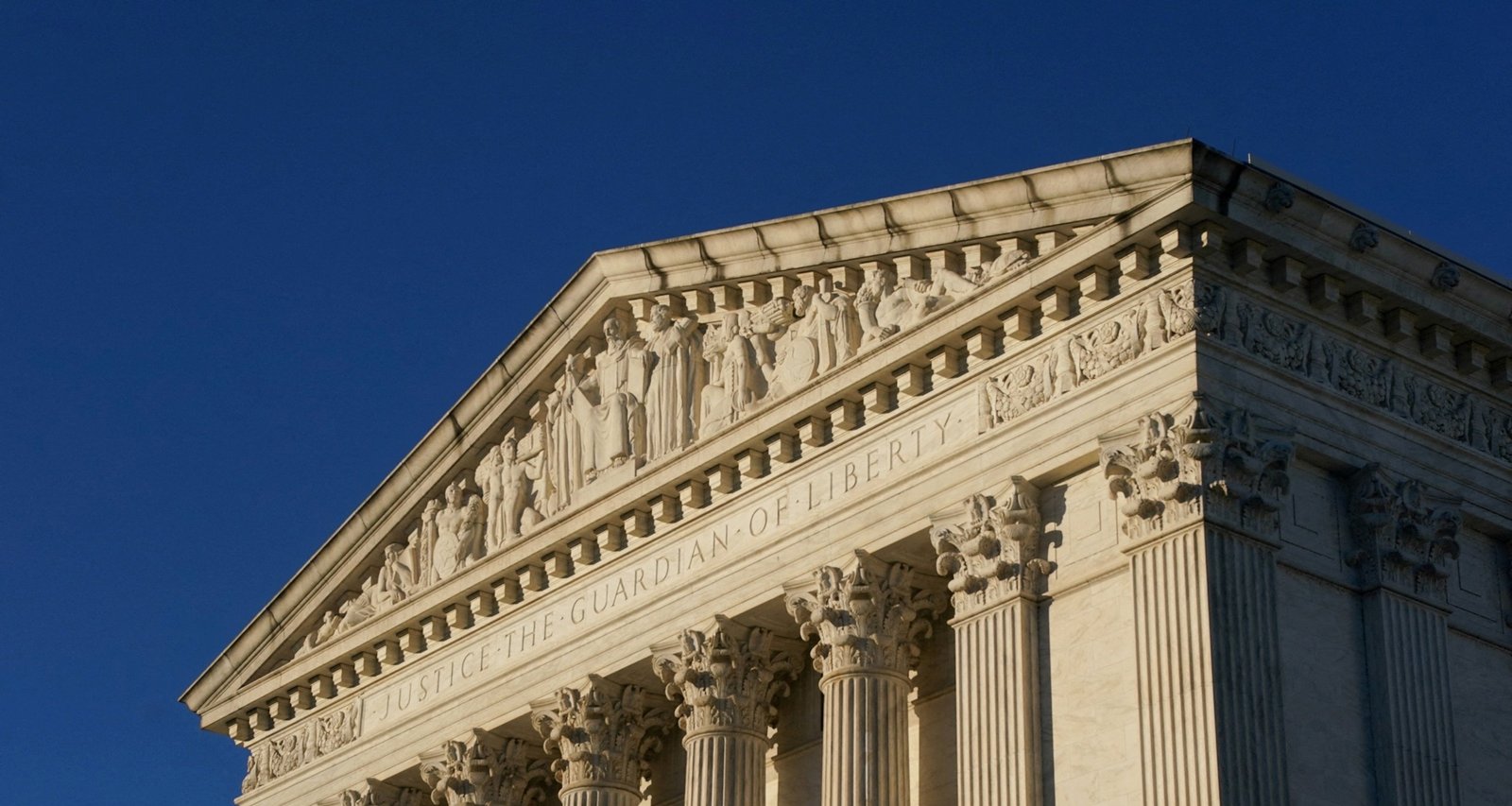
Imagem: Internet
Broader Redistricting Landscape
The dispute underscores a widening national battle over mid-decade redistricting. According to the Brennan Center for Justice, at least six states controlled by both major parties have considered or implemented post-census map alterations since 2021. Proponents describe the practice as a way to correct demographic shifts or perceived unfairness; critics call it a tactic to entrench power between censuses.
Legal experts note that the Supreme Court has repeatedly signaled discomfort with late-term changes to election rules, citing the need for orderly administration. The Court’s so-called “Purcell principle,” derived from a 2006 decision, cautions against court-ordered modifications close to an election because of potential voter confusion. That rationale, while not explicitly cited on Wednesday, likely informed the justices’ thinking given that California’s June 2026 primary is less than 18 months away.
For a comprehensive overview of recent redistricting litigation, readers can consult the Brennan Center’s redistricting tracker, which monitors active cases across the country.
Next Steps
California election officials said they will continue updating voter rolls, candidate filing materials and precinct boundaries to reflect the Proposition 50 map. The Secretary of State’s office indicated that county registrars must finalize precinct assignments by October to meet federal deadlines for military and overseas ballots.
The Ninth Circuit is expected to hold oral argument on the Republican appeal later this year. Should the appellate court rule that the map violates federal law, further review by the Supreme Court remains possible. Until then, Wednesday’s order ensures that campaigns, donors and voters can proceed under the new configuration.
Crédito da imagem: Nathan Howard/Reuters