Following Judge McConnell’s ruling, the USDA told state agencies last Friday that it was “working toward implementing November 2025 full benefit issuances.” That guidance prompted at least 20 states to start preparing to release complete payments to recipients, according to court filings.
Hours later, however, the administration sought immediate relief from the Supreme Court, arguing that transferring the additional funds on short notice could be irreparable in the event the order were later overturned. In a filing signed by Solicitor General John Sauer, federal lawyers said the mandate would force the government to move approximately $4 billion by midnight Friday.
Lower-court developments
On Monday, U.S. District Judge Indira Talwani issued a separate injunction blocking the administration from enforcing an internal memo that instructed states to “undo” steps already taken to provide full November allotments. Judge Talwani characterized the conflicting directives from USDA as creating “confusion of the agency’s own making.”
The Trump administration simultaneously pursued an emergency appeal at the 1st U.S. Circuit Court of Appeals, which on Sunday declined to intervene. That denial left the Supreme Court as the final venue for immediate relief, leading to Friday’s administrative stay and Tuesday’s extension.
Government shutdown context
The financial tug-of-war over SNAP is unfolding against the backdrop of the longest federal shutdown on record. Funding for large portions of the government lapsed in early October, and lawmakers have yet to enact full fiscal-year appropriations. Congressional leaders have signaled that a bipartisan agreement to reopen agencies and fund nutrition programs through September 2026 could come to a vote within days.
If the shutdown ends and SNAP receives full-year appropriations, the dispute over November payments could become moot. Until legislation is enacted, however, the Supreme Court’s stay permits USDA to maintain reduced funding while awaiting further judicial review.
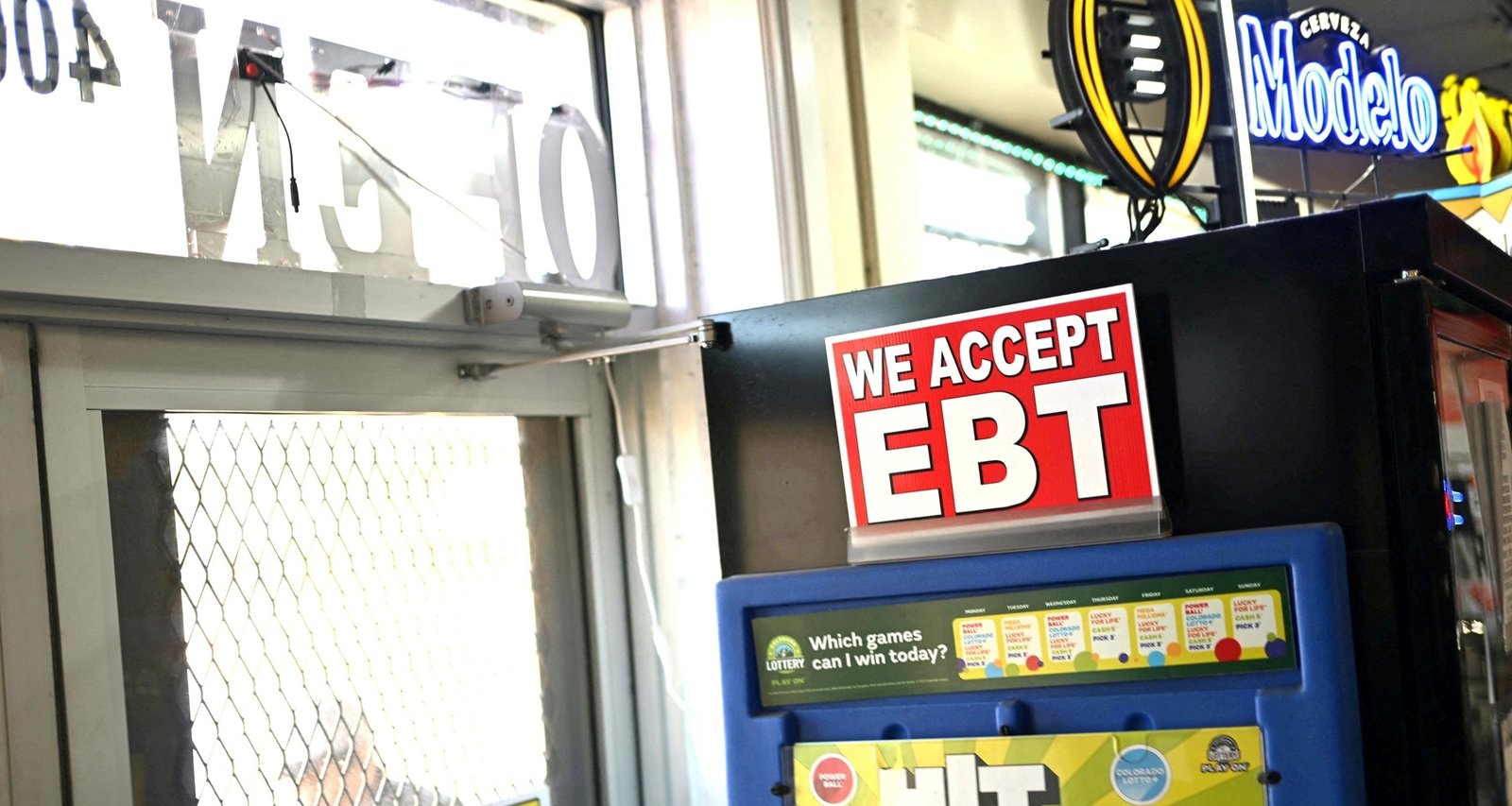
Imagem: Internet
Arguments before the Court
The administration contends that compelling full November payments immediately could limit flexibility to meet other nutrition obligations should Congress fail to reach a deal. Opponents, including a coalition of SNAP recipients and advocacy groups, argue that withholding the funds violates statutory mandates and places low-income households at risk of food insecurity.
Justice Jackson, in her dissent, signaled sympathy with that latter position. Although her written reasoning was not released, her vote indicated that she would have denied the administration’s request and allowed Judge McConnell’s order to take effect while the case proceeds.
Next steps
The Supreme Court’s stay will remain in force until the justices decide whether to grant full review of the administration’s appeal or send the matter back to lower courts. No briefing schedule has been announced. For now, state agencies have been instructed by USDA to await further guidance before issuing any additional November benefits.
According to the USDA Food and Nutrition Service, SNAP serves more than 40 million people nationwide, providing monthly assistance that averages about $210 per individual.
Until Congress finalizes a spending package or the Court issues a definitive ruling, households expecting full November assistance will continue to face uncertainty about whether the additional benefits will arrive.
Crédito da imagem: Mark Makela/Reuters


