Landor argues the forced haircut violated RLUIPA and seeks compensatory damages. Lower federal courts dismissed his claim, ruling that the statute does not expressly authorize suits against individual officials. The Supreme Court agreed to review the question after a split among appellate circuits on the same issue.
Louisiana Attorney General Liz Murrill, representing the prison officers, maintains that state employees are shielded by sovereign immunity and that allowing damages claims could impose significant financial burdens on state budgets. Landor’s counsel, Zach Tripp, counters that without a personal financial consequence the statutory promise of religious liberty inside prisons is effectively hollow.
Rastafarianism emerged in Jamaica during the 1930s with teachings that emphasize natural living, justice and a spiritual connection to Ethiopia’s historical monarchy. Growing dreadlocks is widely regarded by adherents as an outward sign of obedience to God. Scholars estimate several hundred thousand Rastafarians live in the United States, many of whom say they have encountered grooming policies at odds with their faith.
Instances similar to Landor’s have surfaced nationwide. Virginia resident Solomon Tafari spent roughly 10 years in solitary confinement after refusing to cut his locks; he later attempted but failed to recover damages under federal law. In Illinois, inmate Thomas Walker was compelled to shear his hair in 2018 for claimed security reasons, and Kentucky officials cut prisoner Carlos Thurman’s dreadlocks in 2022 before later settling the dispute and modifying policy.
Data from a 2025 U.S. Commission on Civil Rights report show nearly 600 grievances involving religious practice were filed in selected federal prisons between 2017 and 2023. Only one resulted in a favorable outcome for the incarcerated person, a statistic civil-rights groups cite as evidence that current remedies are inadequate.
Academic experts note that forced cutting of dreadlocks holds deep cultural and religious implications. Charles Price, an anthropologist at the University of North Carolina who studies Rastafarian communities, has written that while financial awards cannot undo the spiritual harm, monetary accountability is one of the few tools available for institutional recognition of wrongdoing.
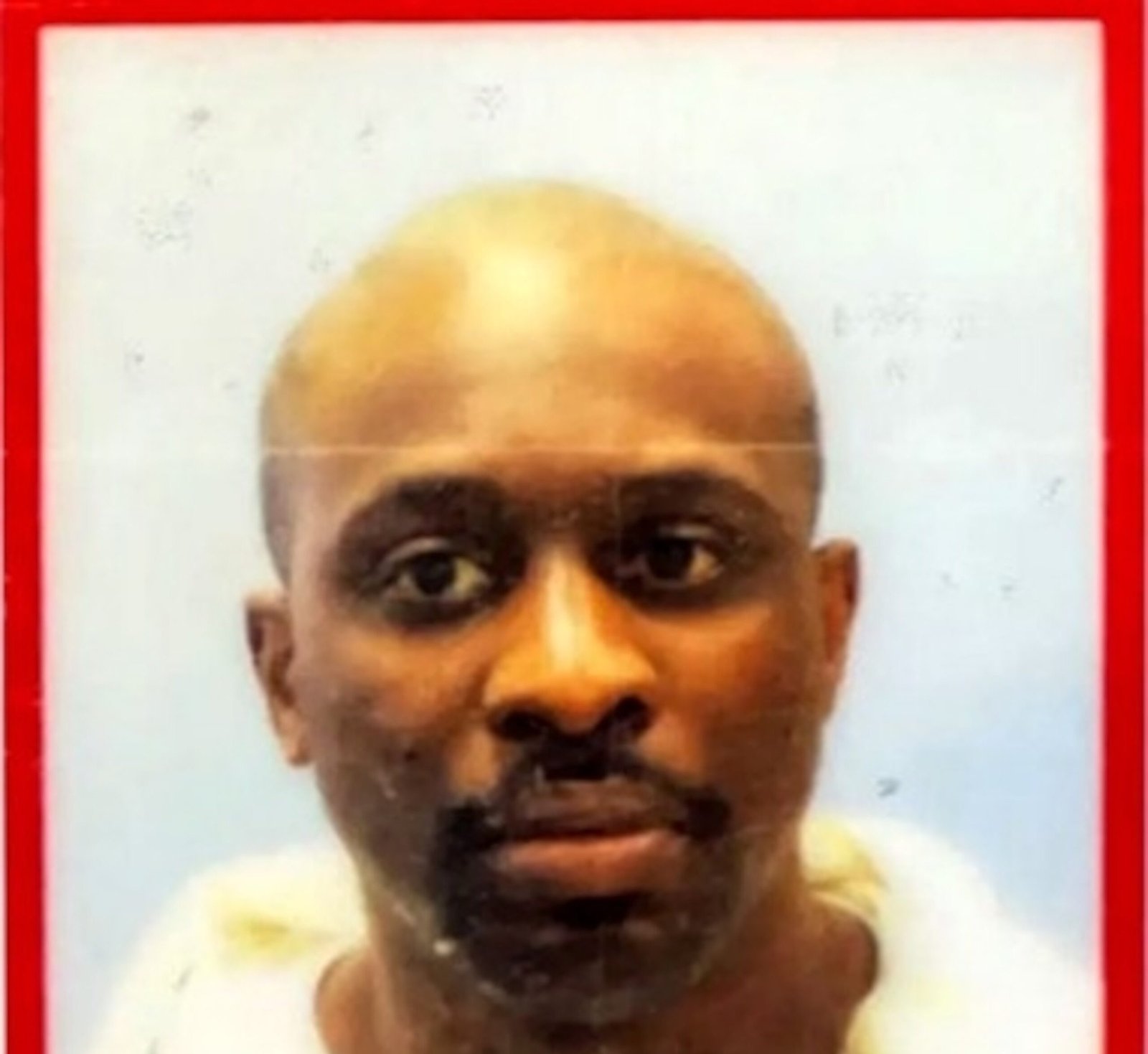
Imagem: Internet
For state officials, the stakes extend beyond any single faith. Corrections departments warn that opening the door to damages could expose officers to a wave of litigation over dietary restrictions, prayer schedules, or religious attire, claims that are already common in prisons with diverse populations. They argue that equitable relief—such as injunctions requiring policy changes—provides sufficient protection for inmates’ beliefs without threatening state treasuries.
Supporters of Landor respond that injunctions alone do not deter misconduct. Corey Shapiro, legal director of the ACLU of Kentucky and counsel in the Thurman case, has said that compensatory damages serve both to make victims whole and to discourage repeat violations by prison staff who might otherwise act with impunity.
The Supreme Court’s decision is expected by the end of June 2026. A ruling that allows damages could alter how correctional facilities nationwide craft grooming standards and other regulations touching religion. Conversely, a decision favoring immunity would leave inmates with limited recourse beyond seeking policy changes that may arrive too late to remedy personal harm.
While the justices did not reference Rastafarian doctrine during argument, community members regard the matter as a pivotal test of whether their faith will receive equal respect within the carceral system. “Growing up in the 1970s and 1980s, you knew your locks would be cut if you went to jail,” said reggae artist and Rastafarian follower Ziah Ayubu, who is monitoring the case. “It is 2025, and many believed those days were over.”
Whatever the outcome, the Court’s ruling will clarify the reach of RLUIPA and determine whether inmates who believe their religious rights were violated can look to financial damages as a path to accountability.
Crédito da imagem: U.S. Court of Appeals for the Fifth Circuit


