In North America, attention centered on Times Square in New York City, where the traditional crystal ball drop was again poised to draw large crowds. City officials emphasized heightened security measures, noting street closures, bag checks and an increased uniformed presence. A live feed of the Empire State Building’s multicolored lighting scheme provided an early glimpse of the city’s preparations.
Additional U.S. cities also planned organized gatherings. In Chicago, the mayor addressed residents regarding safety guidelines for riverfront festivities. On the West Coast, coastal municipalities advised visitors to monitor local weather updates, with forecasters tracking rain systems moving across several states.
Public Safety and Healthcare Readiness
Emergency departments typically see an uptick in patient visits between Christmas and New Year’s Day. Hospitals across Australia and other regions reported preparations to handle alcohol-related injuries, respiratory illnesses and weather-related incidents. Public health officials urged moderation and reminded the public to follow existing COVID-19 protocols where still in place.
Law enforcement agencies likewise adjusted staffing levels. In Sydney, additional officers were stationed at transport hubs and crowd-management zones, coordinating with fire and rescue services throughout the evening. Comparable deployments were announced in U.S. metropolitan areas as local governments aimed to maintain orderly celebrations.
Tourism and Economic Impact
Sydney’s fireworks event traditionally draws international tourists, many of whom plan trips months in advance. The return of large-scale gatherings has been viewed by city officials as a positive sign for the hospitality sector, which experienced downturns during earlier pandemic restrictions. Hotels around the central business district reported high occupancy rates, and restaurants along the harbor operated extended hours to meet demand.
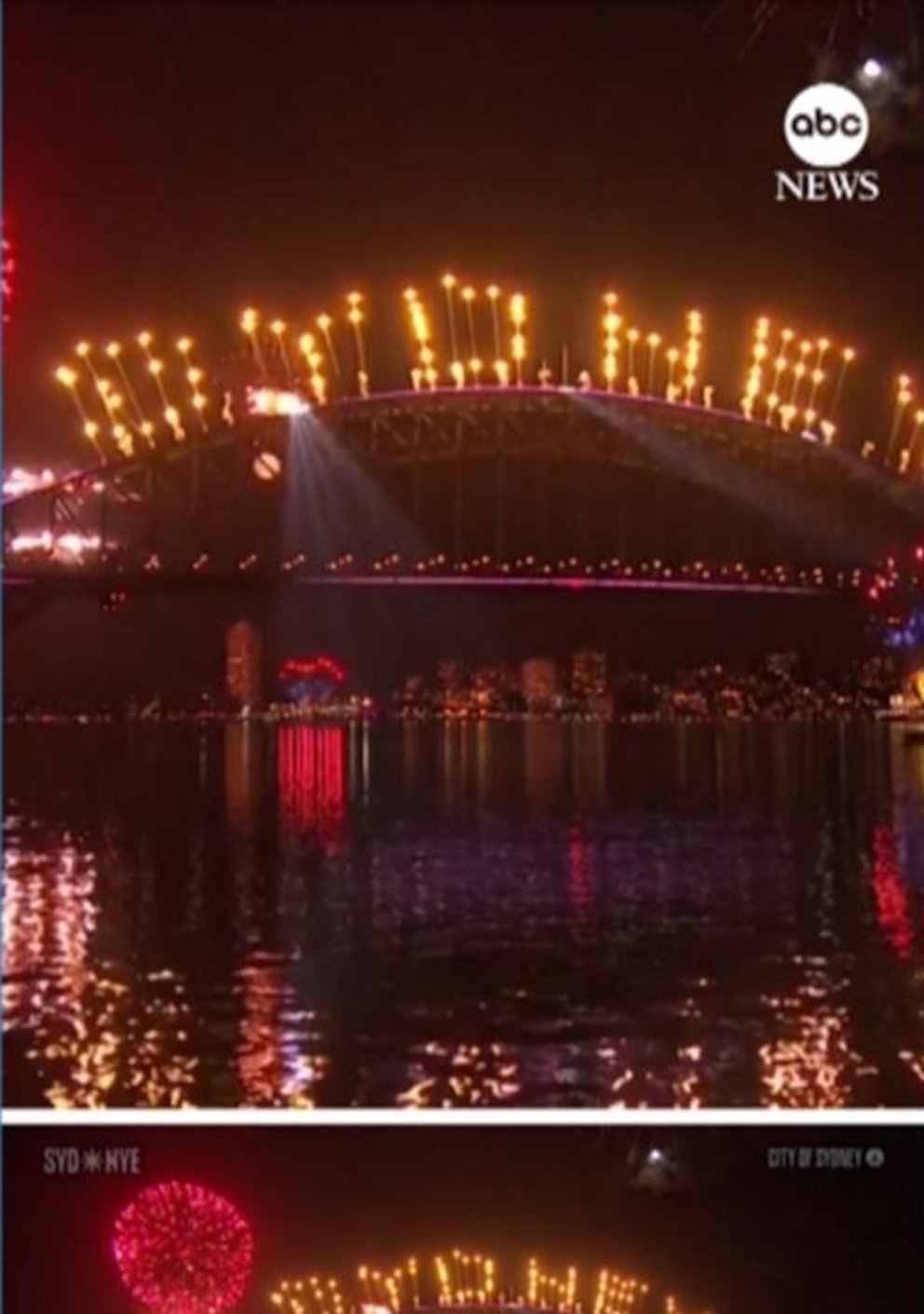
Imagem: Internet
Retail analysts tracking holiday consumption noted that year-end spending patterns often provide clues about broader economic trends. Preliminary data suggested steady foot traffic in shopping corridors leading up to 31 December, echoing observations made in other world markets. External industry reports indicated a moderate rebound in international travel, with Sydney listed among top destinations for the Southern Hemisphere summer season.
Countdowns Still to Come
While Australia and portions of Asia moved into 2026, large segments of the globe were still preparing for their own local countdowns. European capitals, including London, Paris and Berlin, scheduled pyrotechnic shows over iconic landmarks, while South American cities readied beachfront firework launches timed to midnight in their respective time zones.
Broadcast networks continued rolling coverage to capture each successive celebration. Segments highlighted cultural variations, such as traditional music performances in Tokyo and illuminated drone formations in select Middle Eastern venues. In addition, several sports events—most notably the U.S. college football playoff quarterfinals—were scheduled for New Year’s Day, contributing to extended holiday programming.
Looking Ahead to the Anniversary Year
The transition into 2026 carries added significance for the United States as it approaches the 250th anniversary of the Declaration of Independence on 4 July. Preparatory events, including the Washington Monument light show, served as early milestones in a calendar of commemorations that will unfold throughout the year.
For Sydney, the success of the harbor fireworks reinforced the city’s role as an early visual symbol of the New Year. Organizers touted the seamless execution of the display and the enthusiastic response from spectators onshore and online. As daylight returned to New South Wales, cleanup crews began clearing viewing zones, and transport services moved departing visitors, closing another edition of a tradition watched worldwide.
Crédito da imagem: ABC News Live


