According to the essay, physicians initially pursued a stem-cell transplant, followed by a clinical trial when her cancer proved resistant. Schlossberg recounted that one of her doctors predicted the treatment might keep her alive “for a year, maybe,” a prognosis that weighed heavily as she considered how much, or how little, time her children might remember spending with her.
She wrote that the risk of infection following transplant procedures prevented her from performing routine care for her infant daughter, such as changing diapers or giving baths. “I was gone for almost half of her first year of life,” Schlossberg explained, adding that she worried her child might not grasp that she was her mother. She also expressed concern that her older son’s recollections would eventually blur with photographs or stories told by relatives.
In the same essay, Schlossberg reflected on efforts to remain present despite her prognosis, allowing childhood memories to mix with scenes from her children’s lives. “Since I don’t know what death is like and there’s no one to tell me what comes after it, I’ll keep pretending,” she wrote. “I will keep trying to remember.”
Acute myeloid leukemia is an aggressive cancer that starts in the bone marrow and interferes with the production of healthy blood cells. The disease progresses rapidly and typically requires prompt treatment, such as chemotherapy and bone-marrow transplantation. Additional information on AML can be found through the National Cancer Institute, a leading authority on cancer research and care.
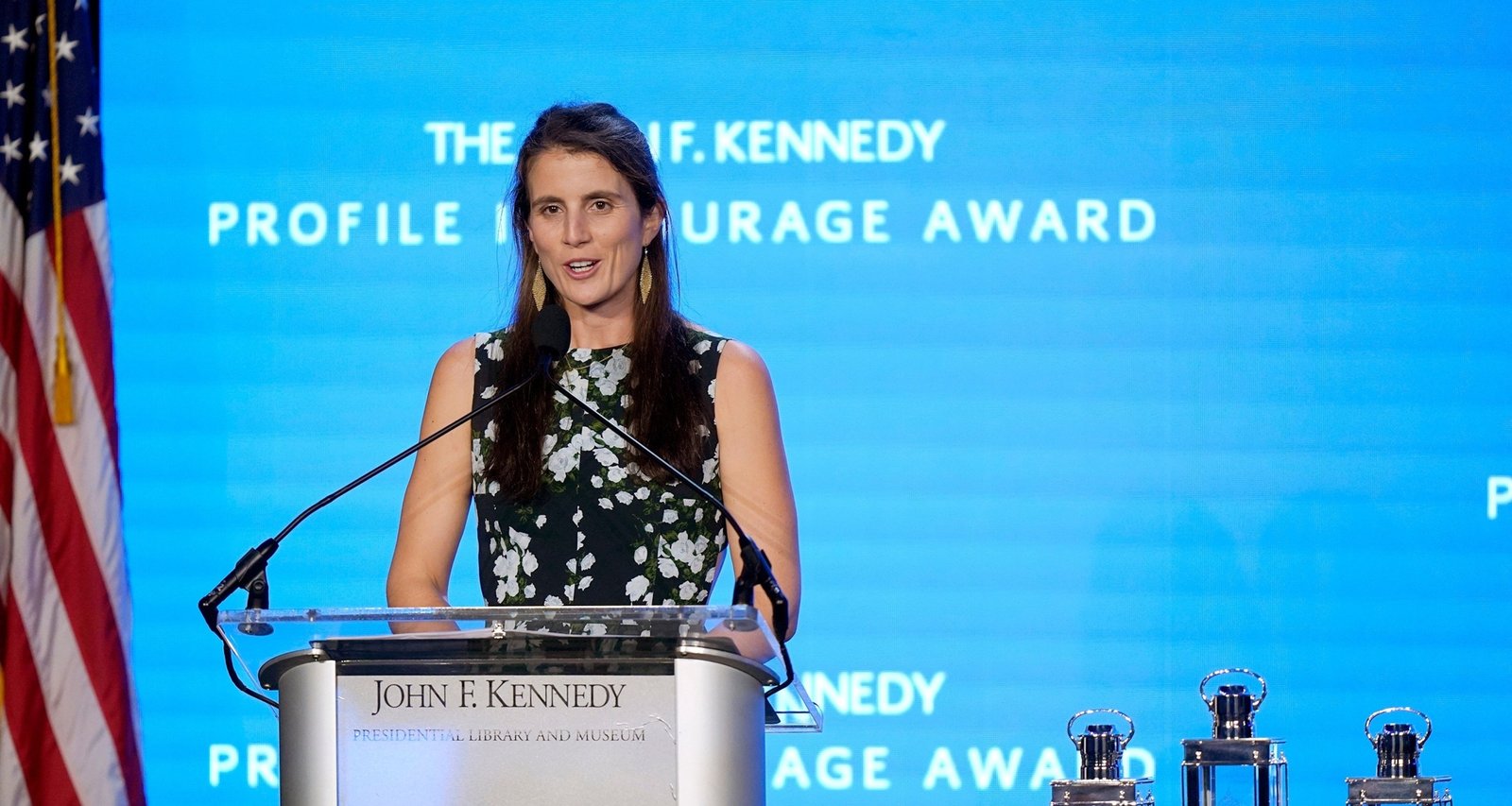
Imagem: Internet
Schlossberg is survived by her husband, George Moran; their young son and daughter; her parents, Caroline Kennedy and Edwin Schlossberg; and her siblings, Rose and Jack Schlossberg. No details were released about funeral or memorial arrangements.
Though a member of one of America’s most visible political families, Schlossberg carved out a career largely focused on environmental reporting rather than electoral politics. Her work examined topics such as carbon emissions, resource consumption, and the intersection of policy and climate science. Colleagues often noted that she approached the subject with a data-driven style, seeking to demystify complex issues for general audiences.
Her final public appearance occurred in late 2023, months before she disclosed her diagnosis. Speaking at the JFK Library in Boston, she emphasized the importance of civic courage, a theme that resonated with both her family’s history and her own journalism. At that time she did not mention any health concerns to the audience.
Schlossberg’s death marks the latest personal loss for the extended Kennedy family, which has experienced several premature deaths over the decades. While the family did not issue a separate statement, the JFK Library Foundation’s announcement prompted an outpouring of condolences from colleagues, friends, and readers who followed her reporting on environmental issues.
Crédito da imagem: Steven Senne/AP


